Balancing Heritage and Intervention
Restoration Through Removal
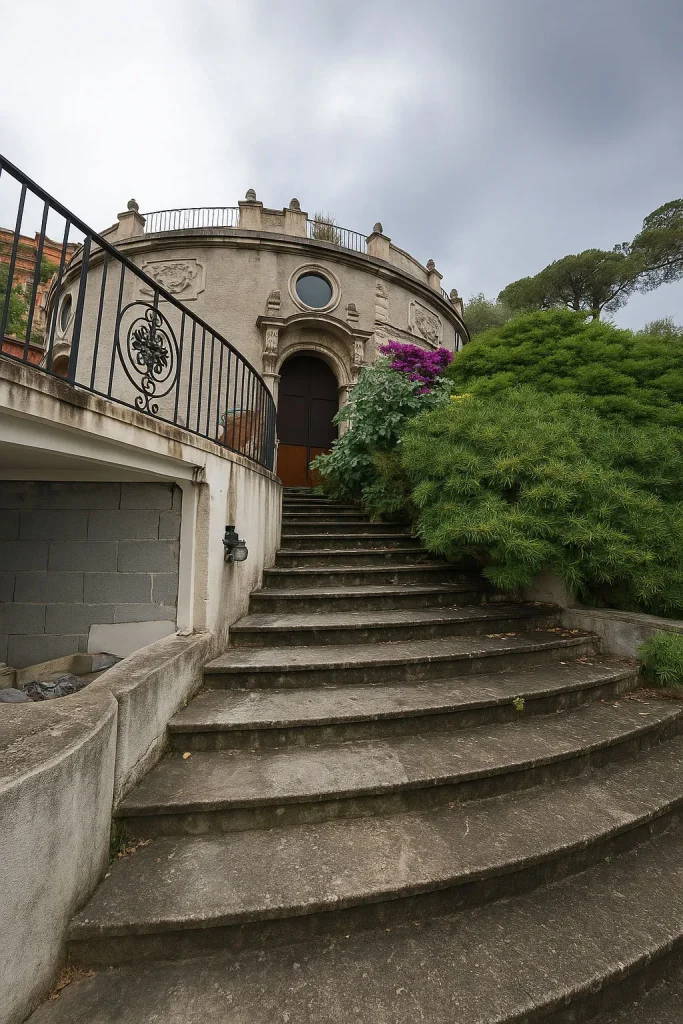
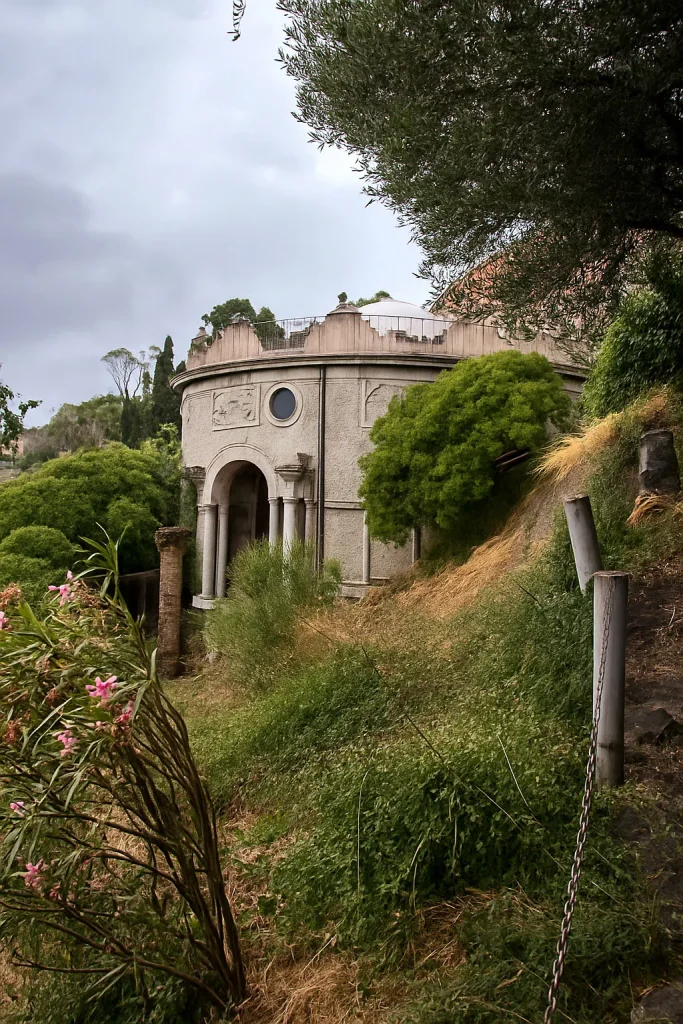
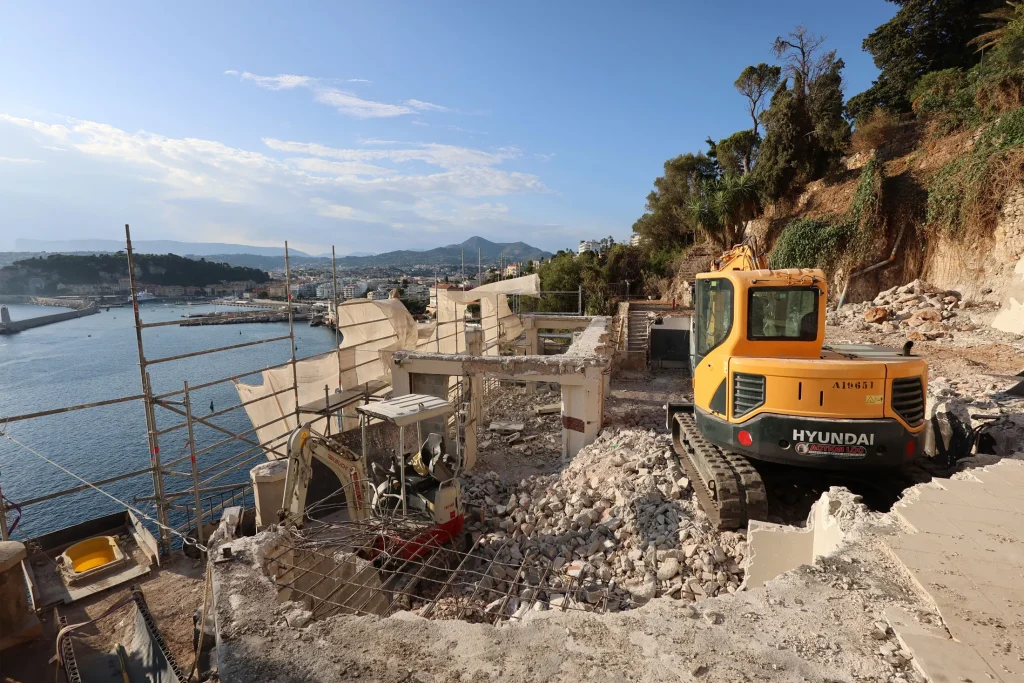
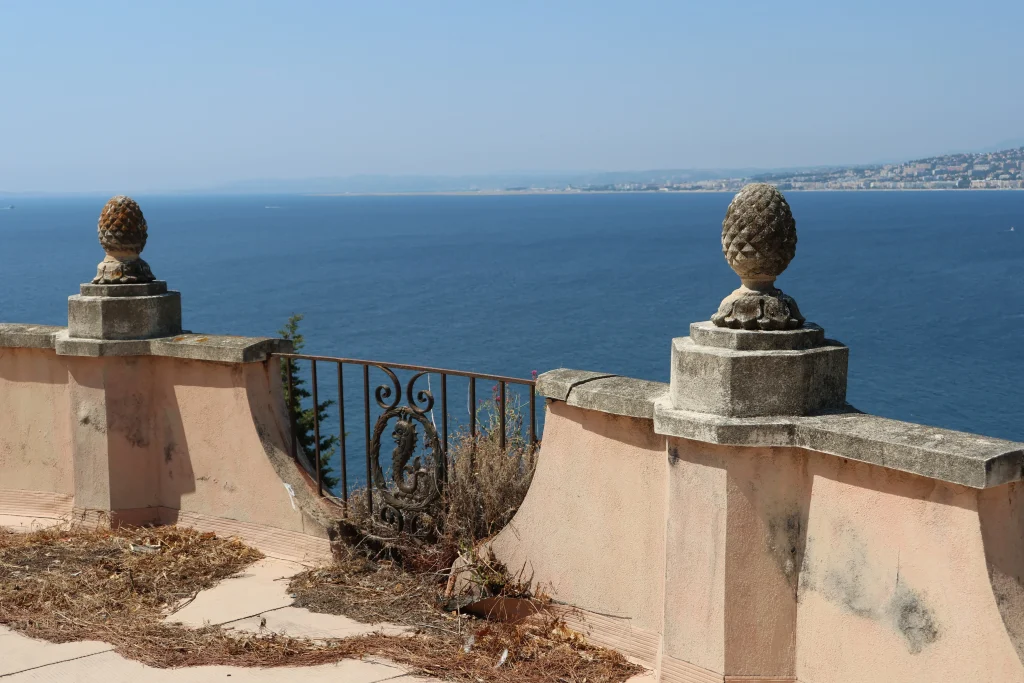
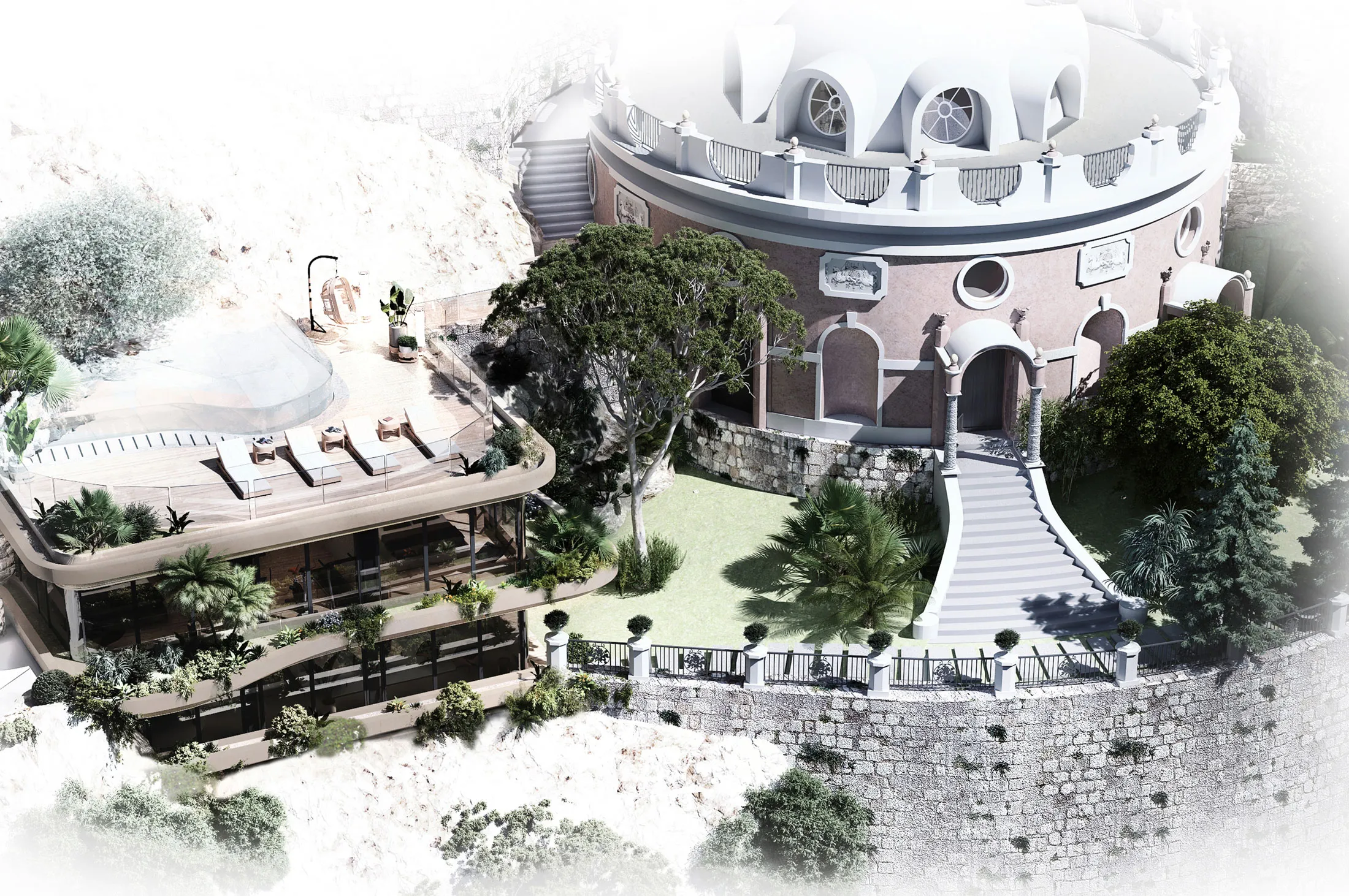
La Rotonde sits on the ridge of Mont Boron in Nice, overlooking the Mediterranean with a wide, uninterrupted panorama. For many years, the original circular structure was hidden behind a later villa that disrupted both its visibility and spatial clarity. The project begins with removal. By demolishing the secondary building, the historic rotunda regains its presence and legibility. A new villa is set further back on the site, allowing the original structure to stand independently once again. The intervention reshapes the terrain with restraint rather than adding volume.
Circular Geometry and Spatial Continuity
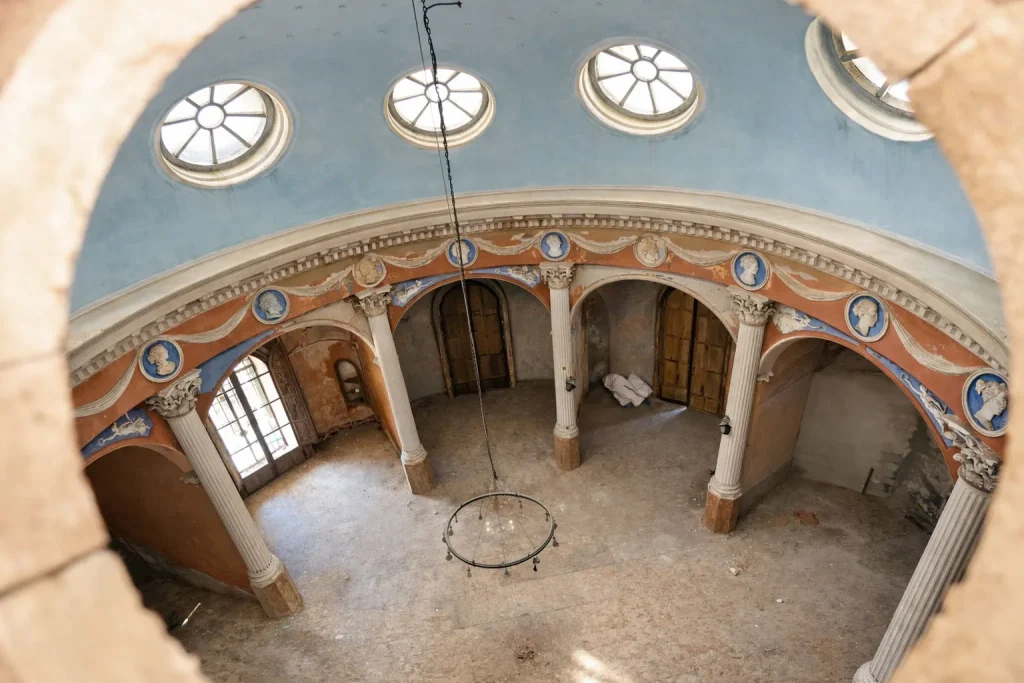
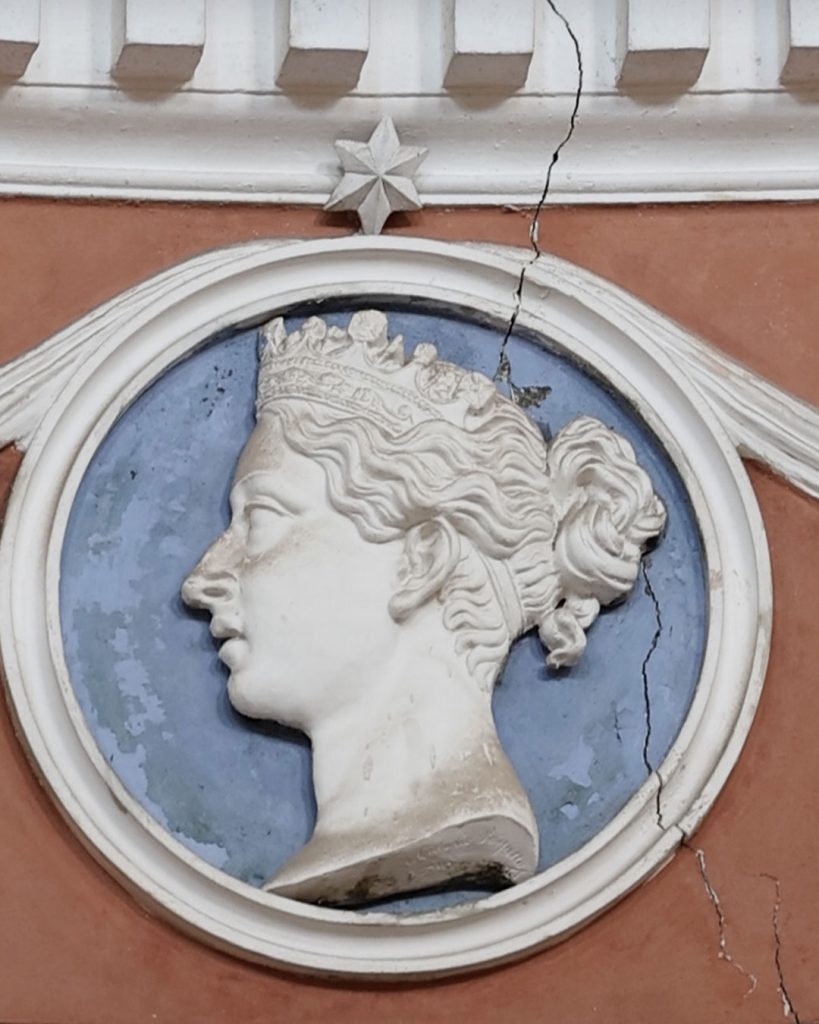
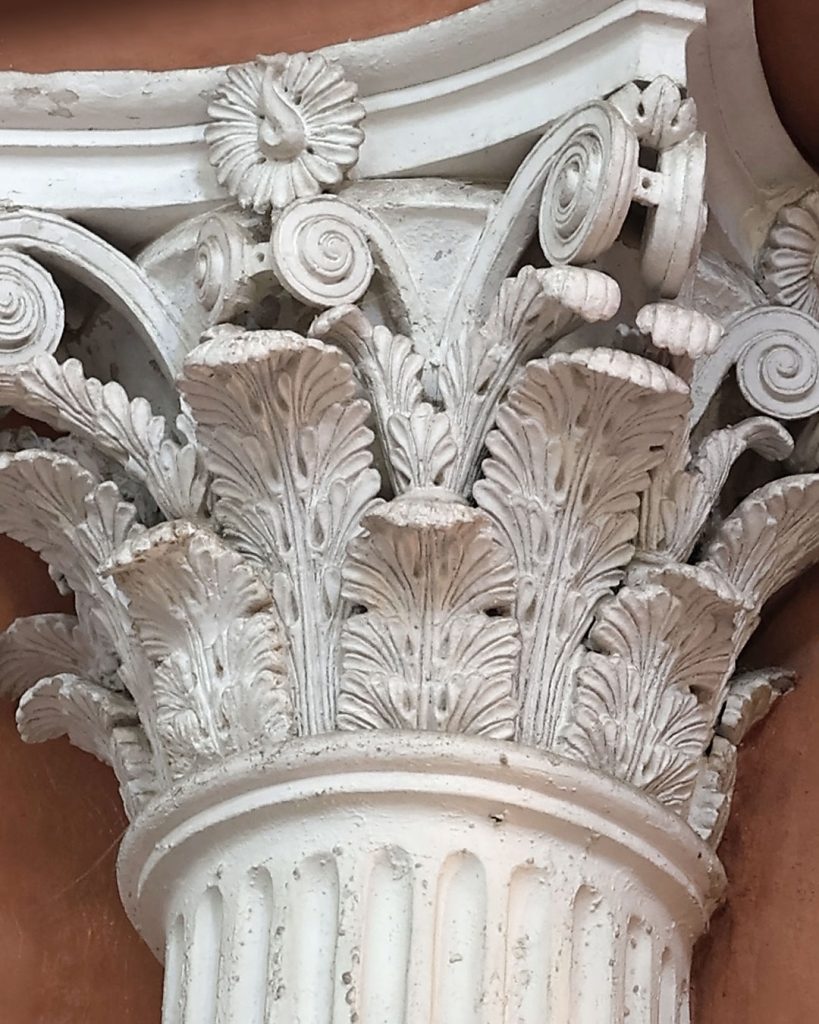
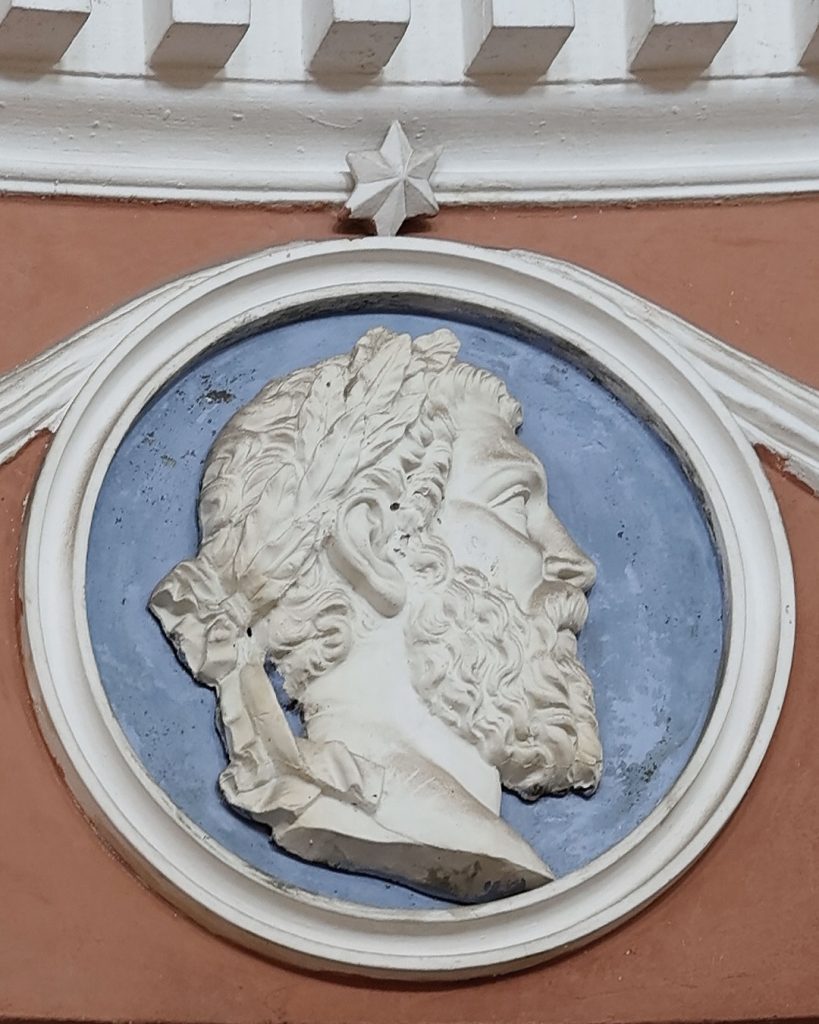
The circular geometry determines the internal organization of the Rotonde. Originally conceived as a reception and concert space, its plan avoids hierarchy; the center and perimeter hold equal importance. The restoration carefully reinstates architectural elements such as columns, alcoves, and mouldings, guided by archival research and on-site study. Structural upgrades and contemporary systems are introduced discreetly, without altering the spatial perception. The aim is not reinterpretation, but continuity – enabling residential use while preserving formal integrity.
A Contemporary Villa in Dialogue
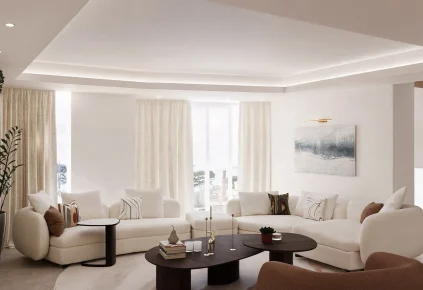
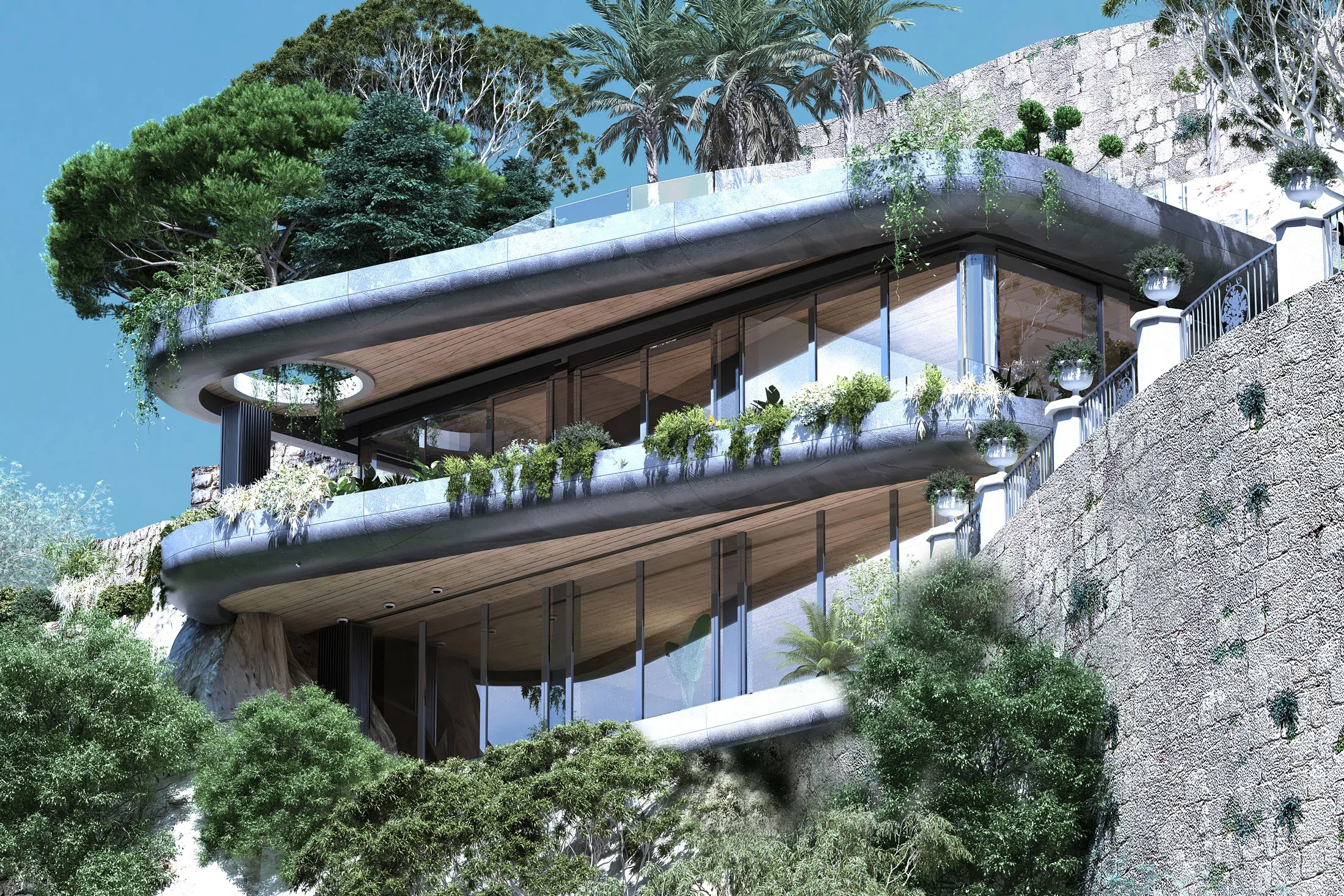
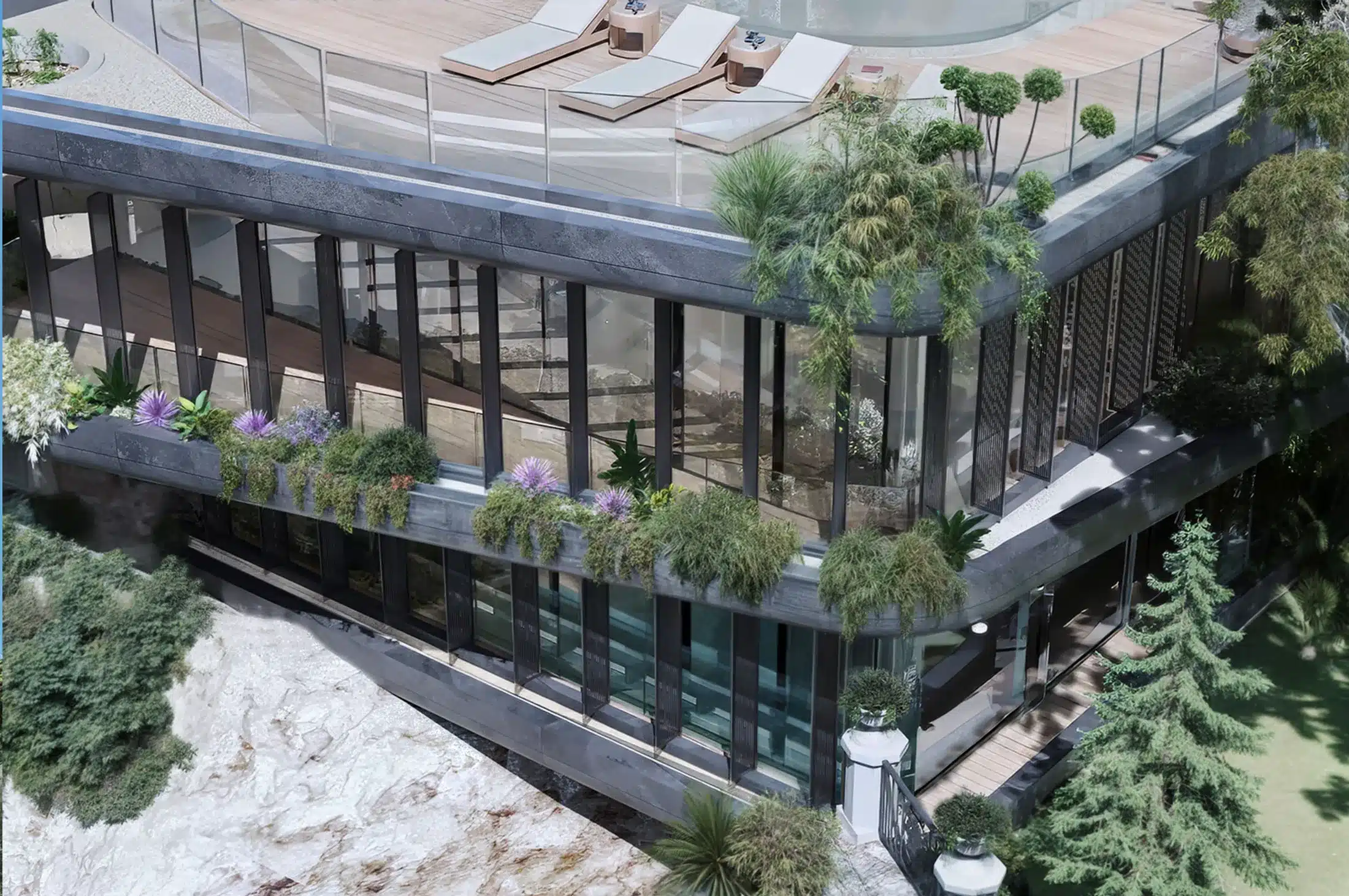
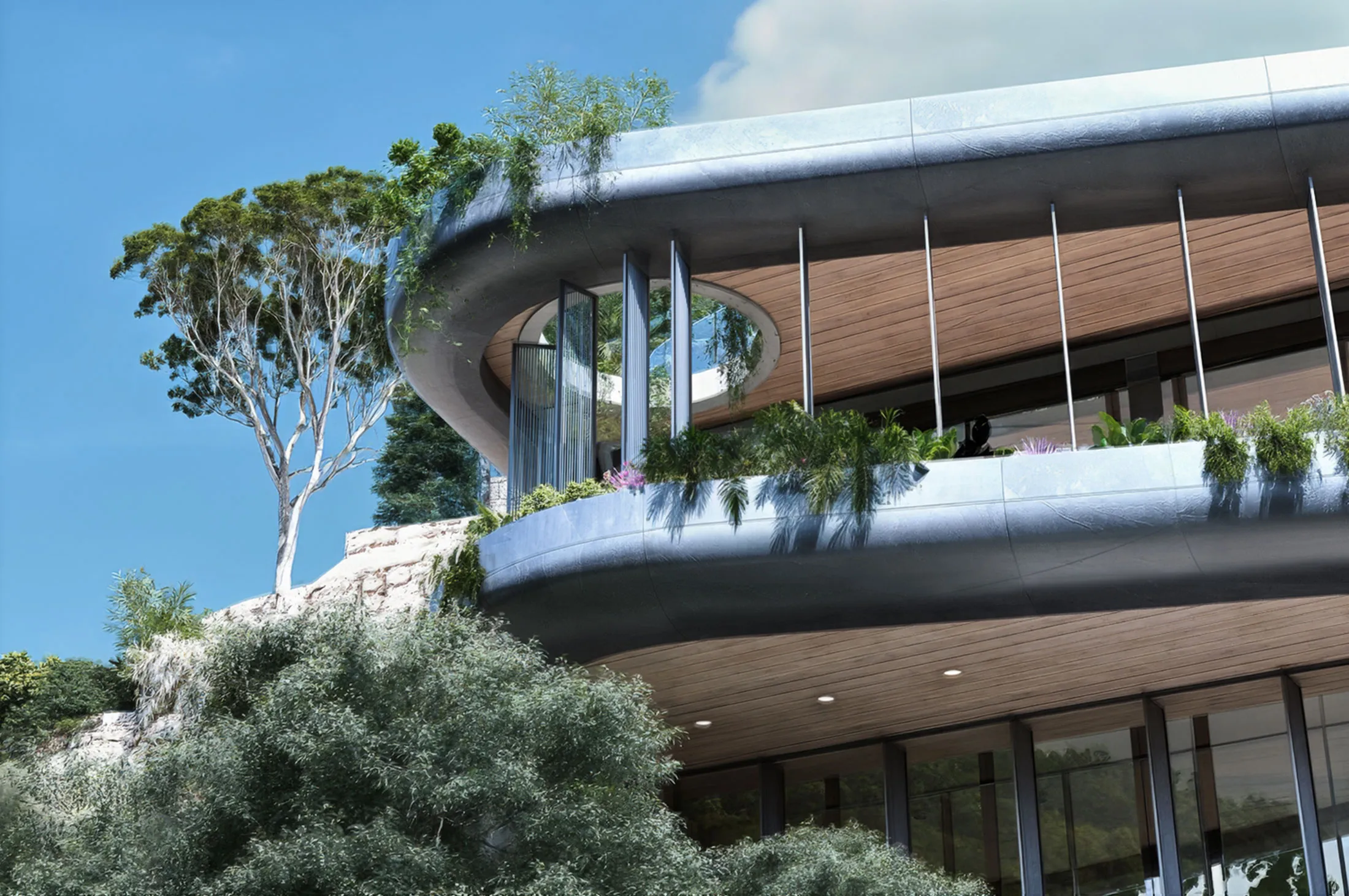
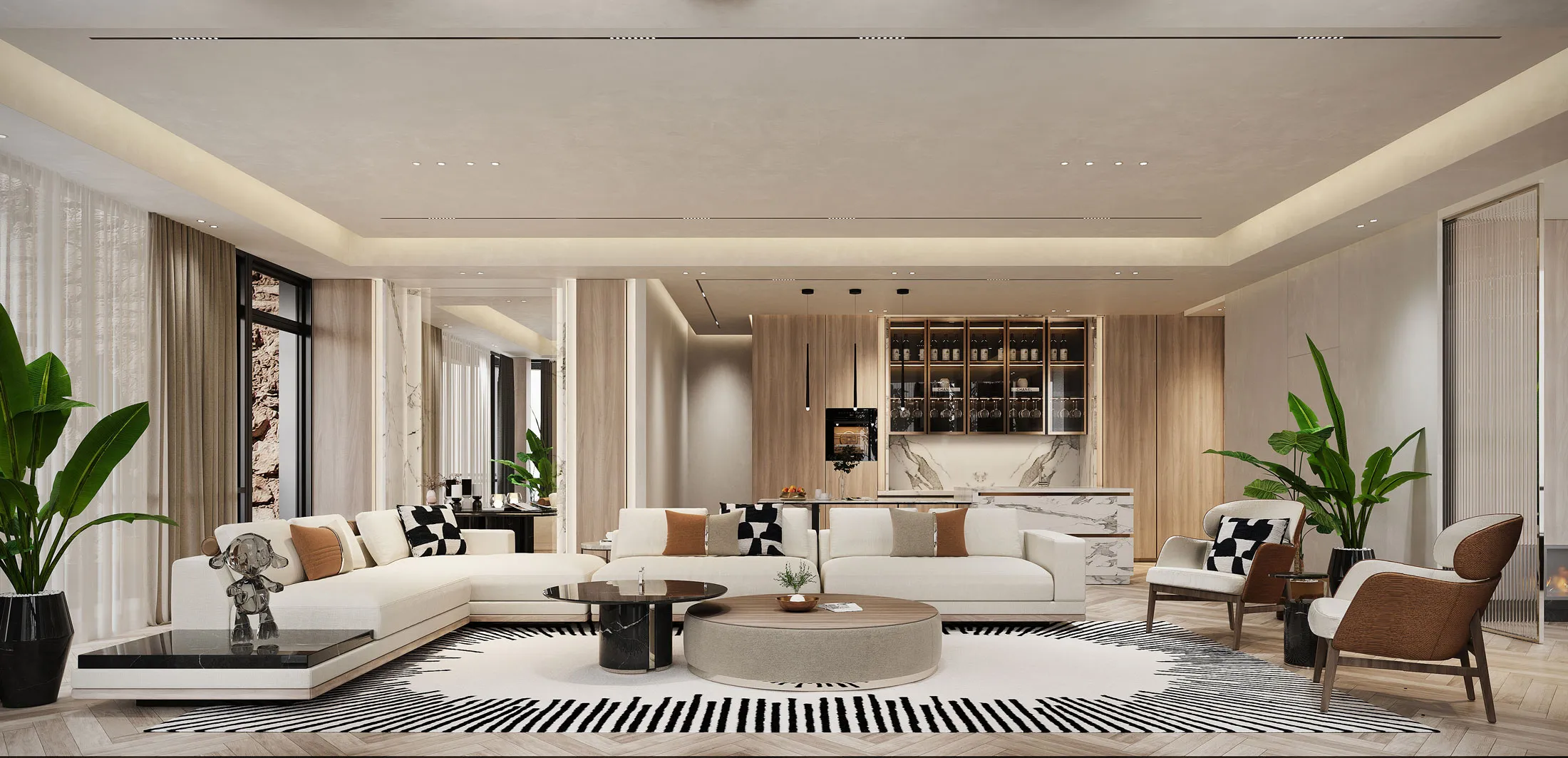
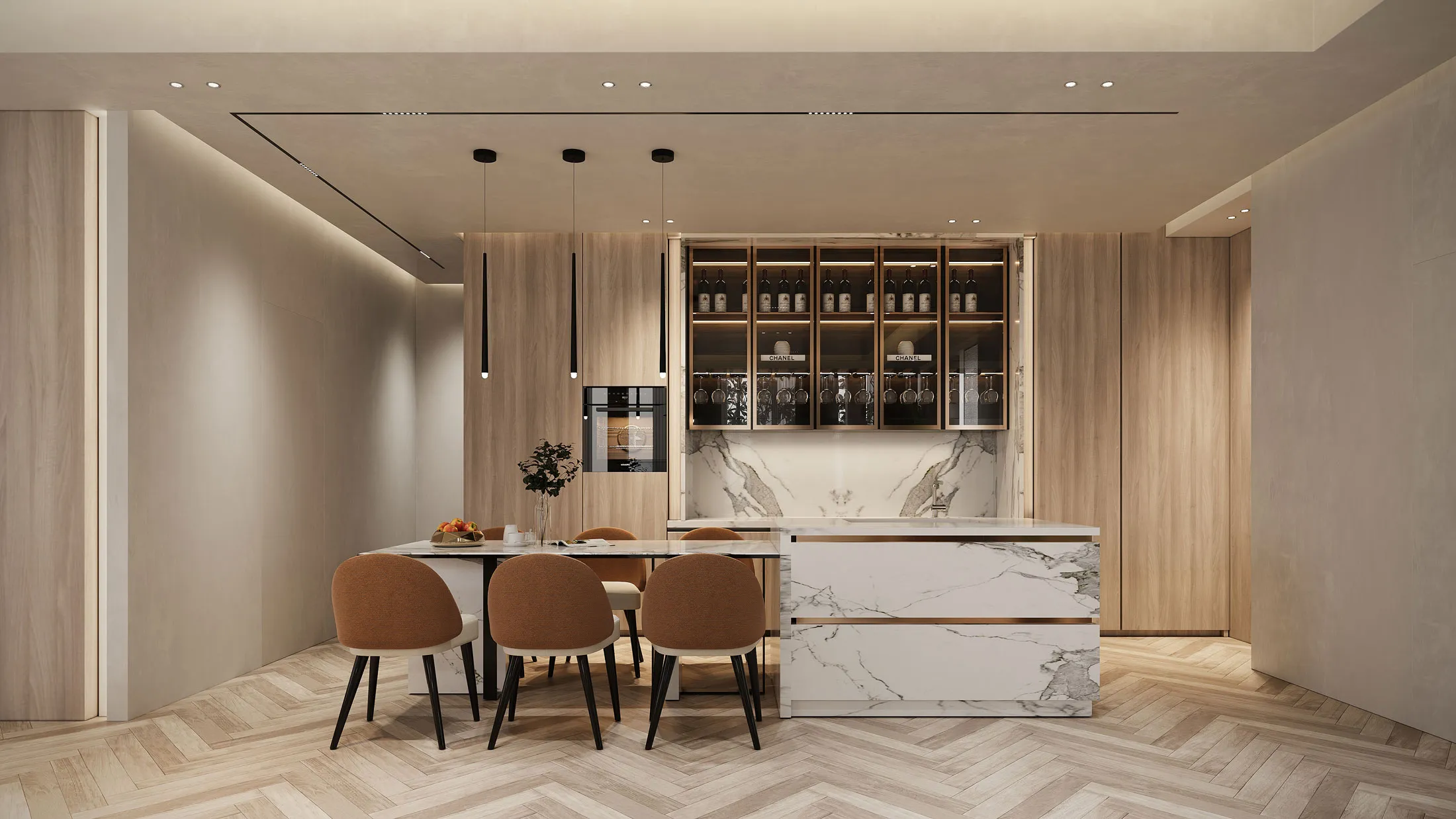
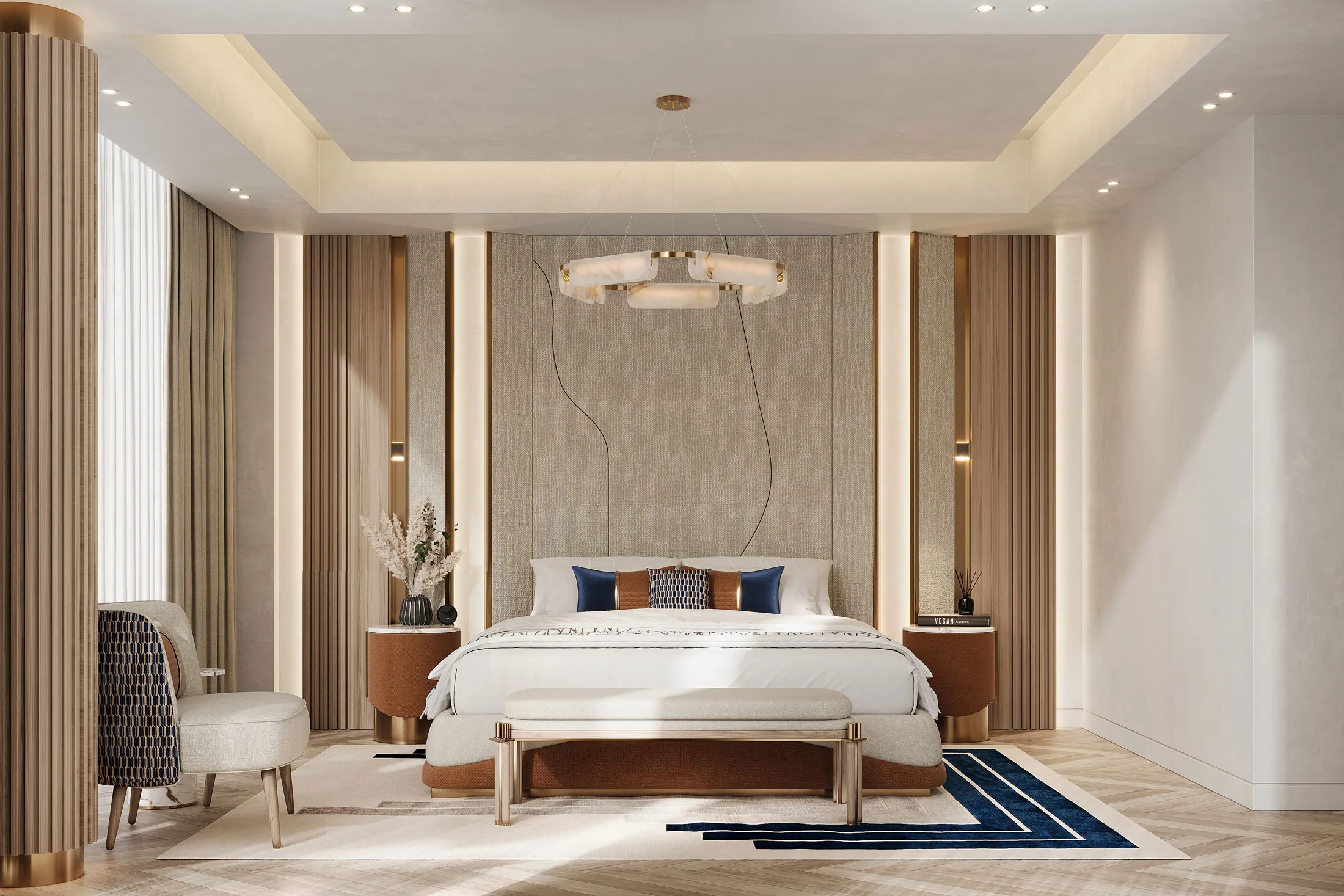
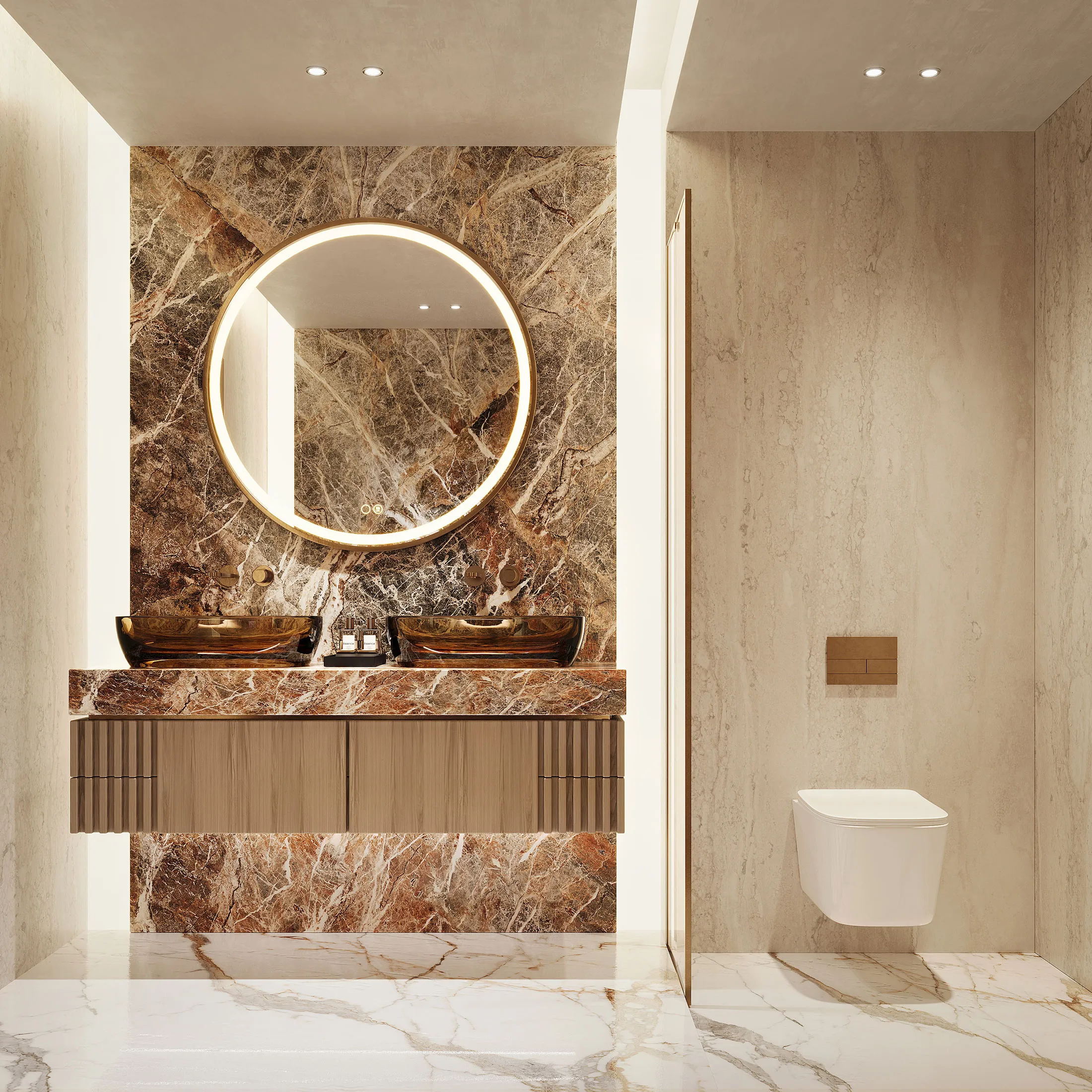
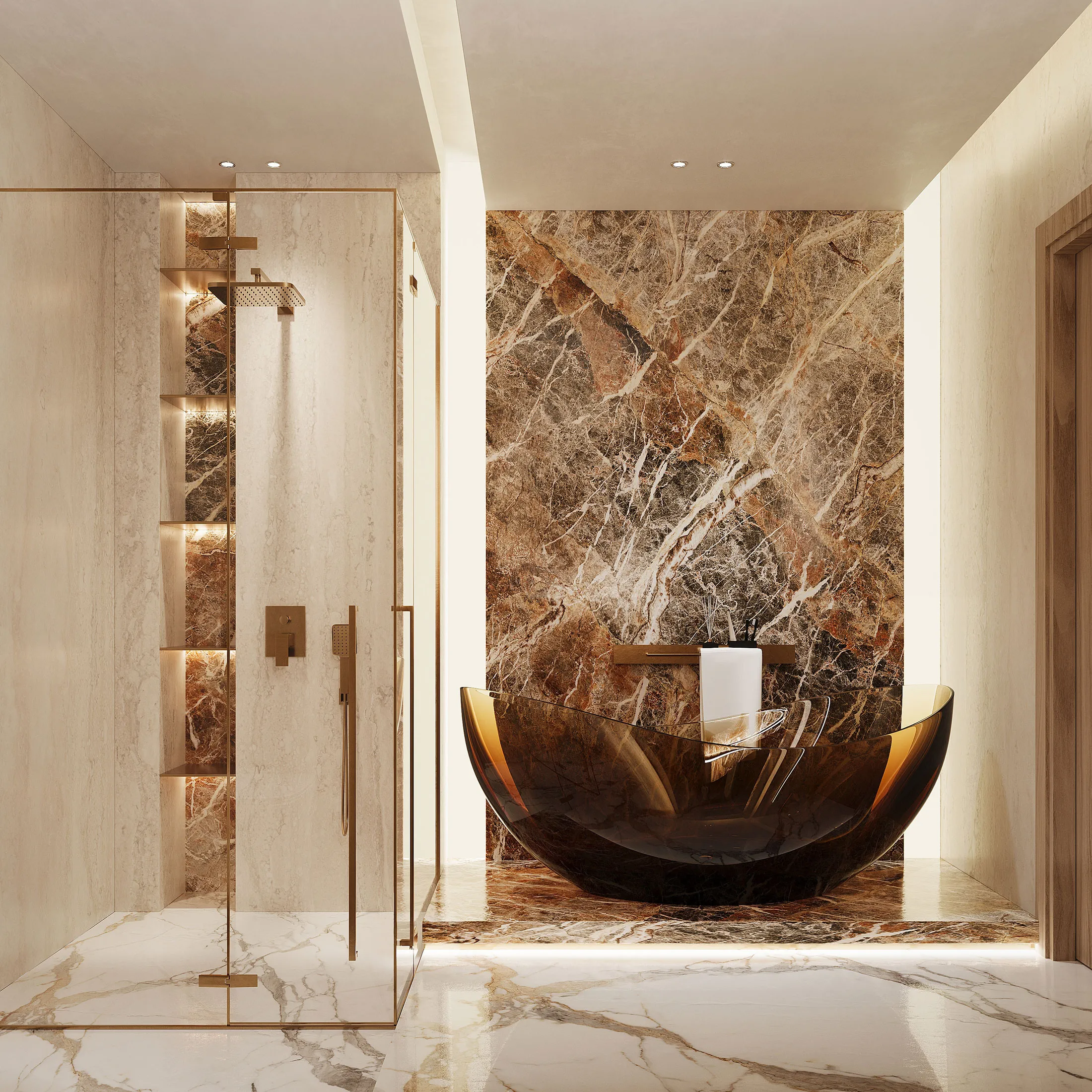
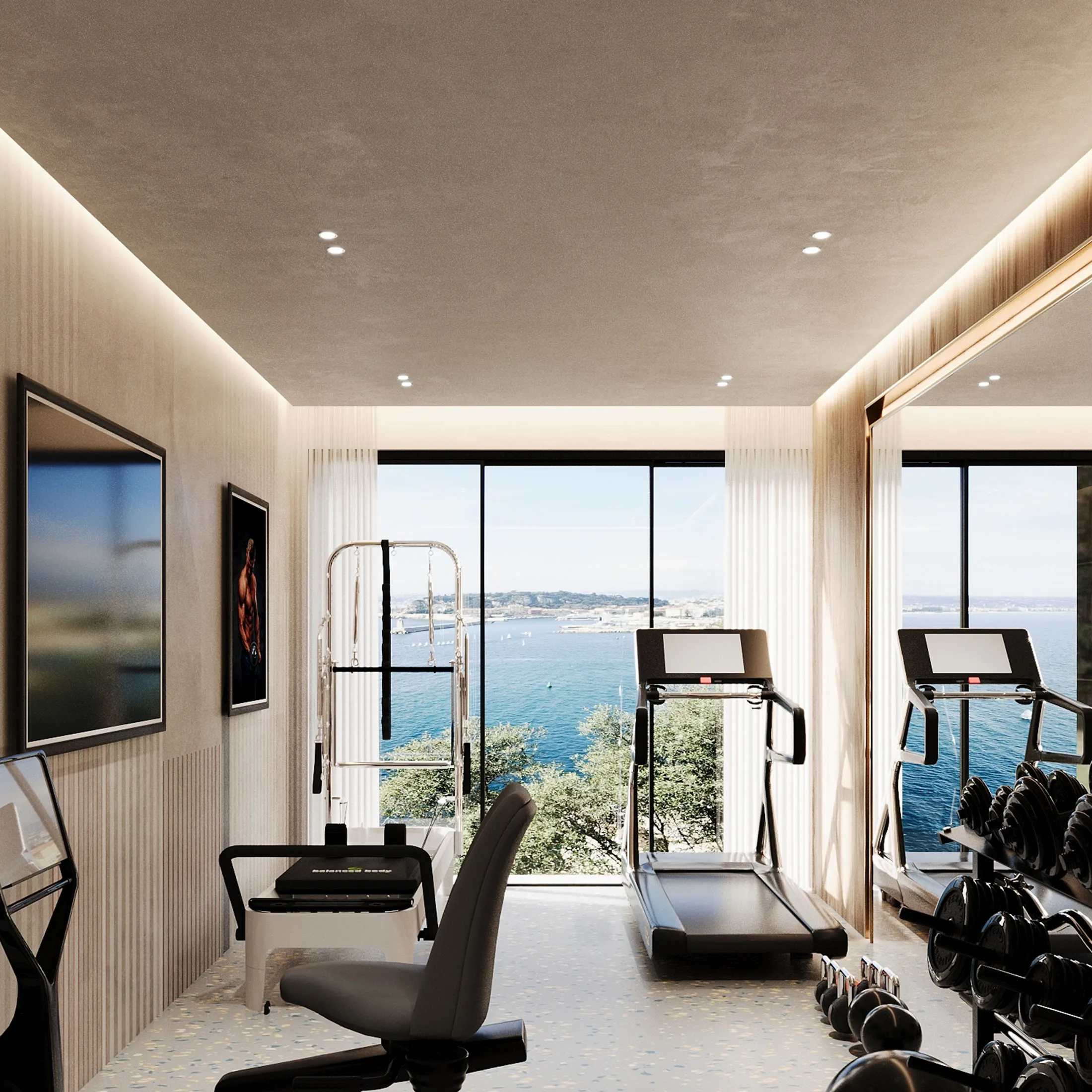
The new villa references the rotunda through gentle curvature at its edges and terraces, without imitating its form. Its glass façade with big windows was chosen to blend into the vegetation of Mont Boron, reducing visual impact within the landscape. Facing west, the building incorporates vertically rotating and sliding shutters that control sunlight and frame selective sea views. Interior finishes remain restrained and material-led, allowing proportion and natural light to shape daily living rather than decorative emphasis.
Technical Constraints and Site Response
The site presents considerable logistical challenges, as there is no direct vehicular access. Demolition, restoration, and construction were therefore carried out via the upper pedestrian route, influencing both planning and detailing. The project ultimately establishes a dialogue between two volumes – one historic, one contemporary – each distinct yet geometrically aligned. Rather than seeking contrast, the architecture restores clarity to the original structure and introduces a balanced coexistence rooted in respect and precision.