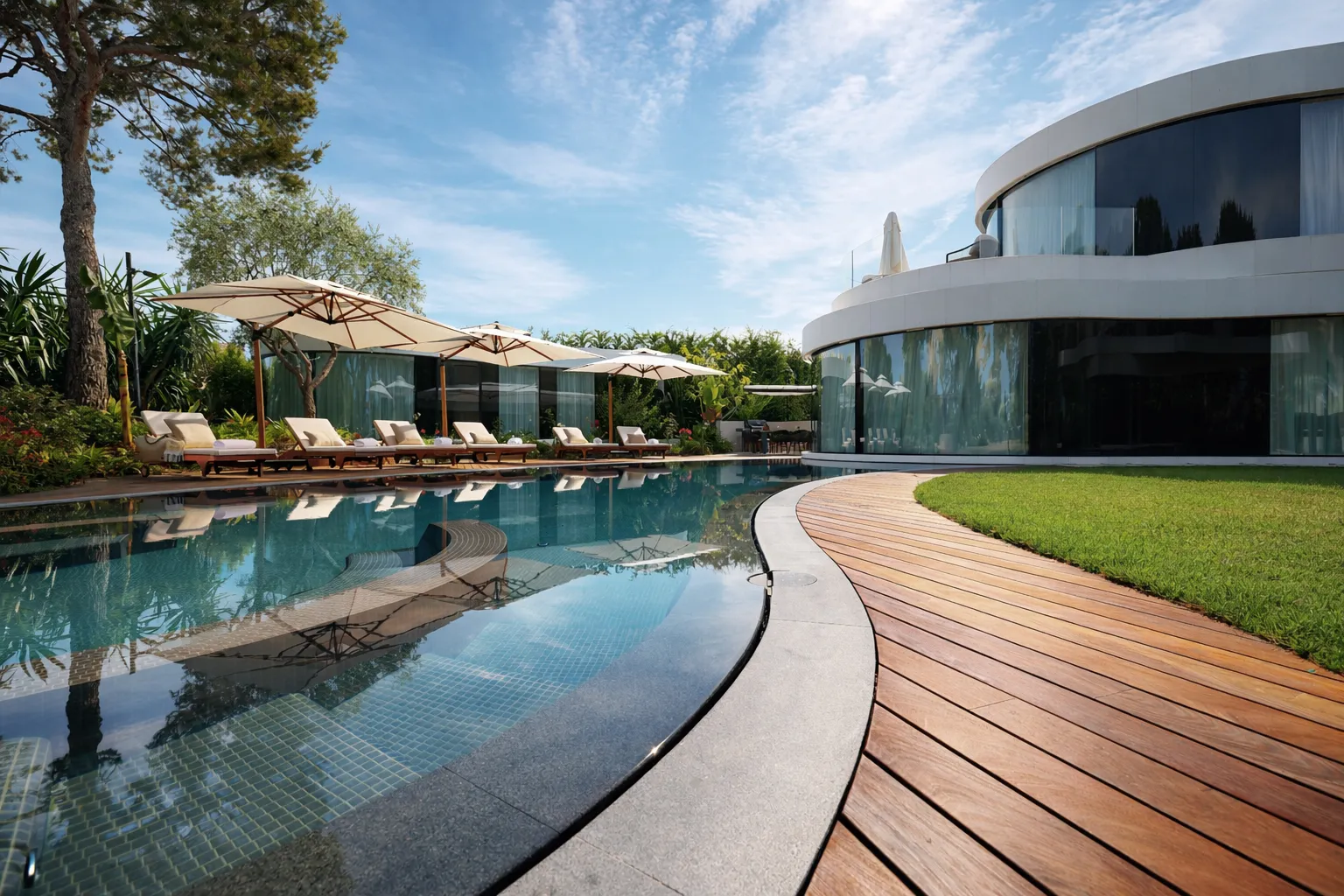
Saint Jean Cap Ferrat
Curved Architecture Shaped by Topography

Architecture Shaped by the Land
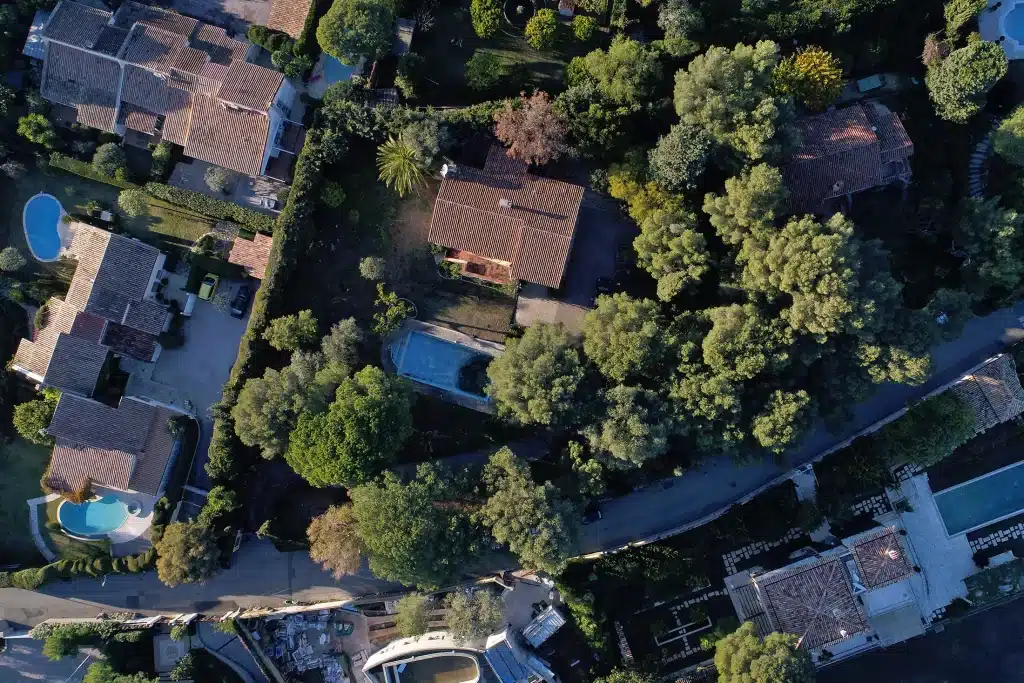
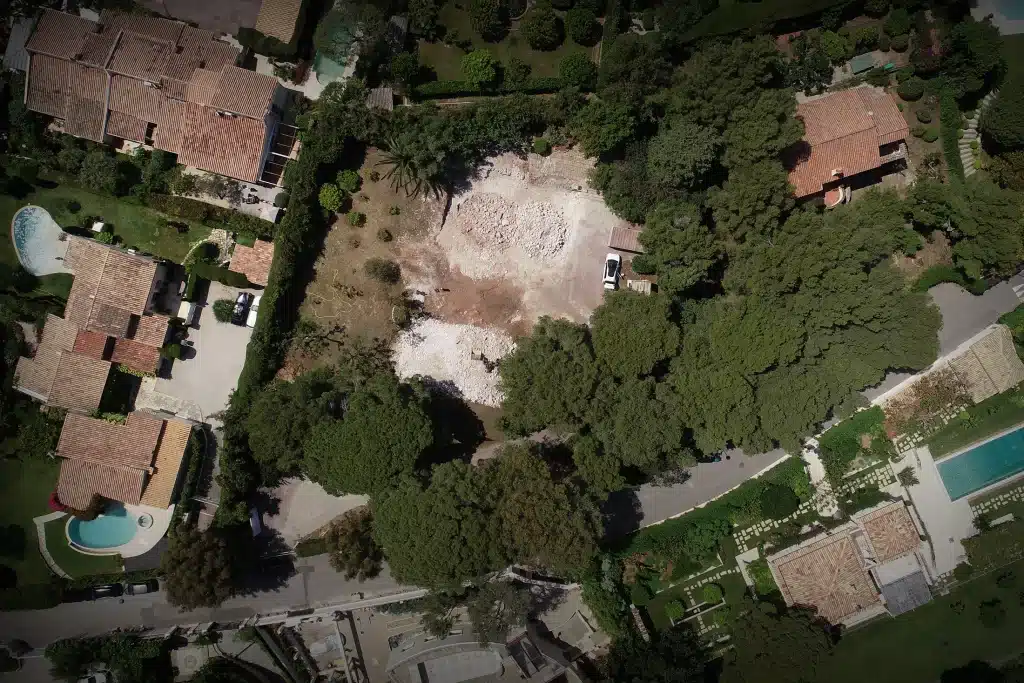
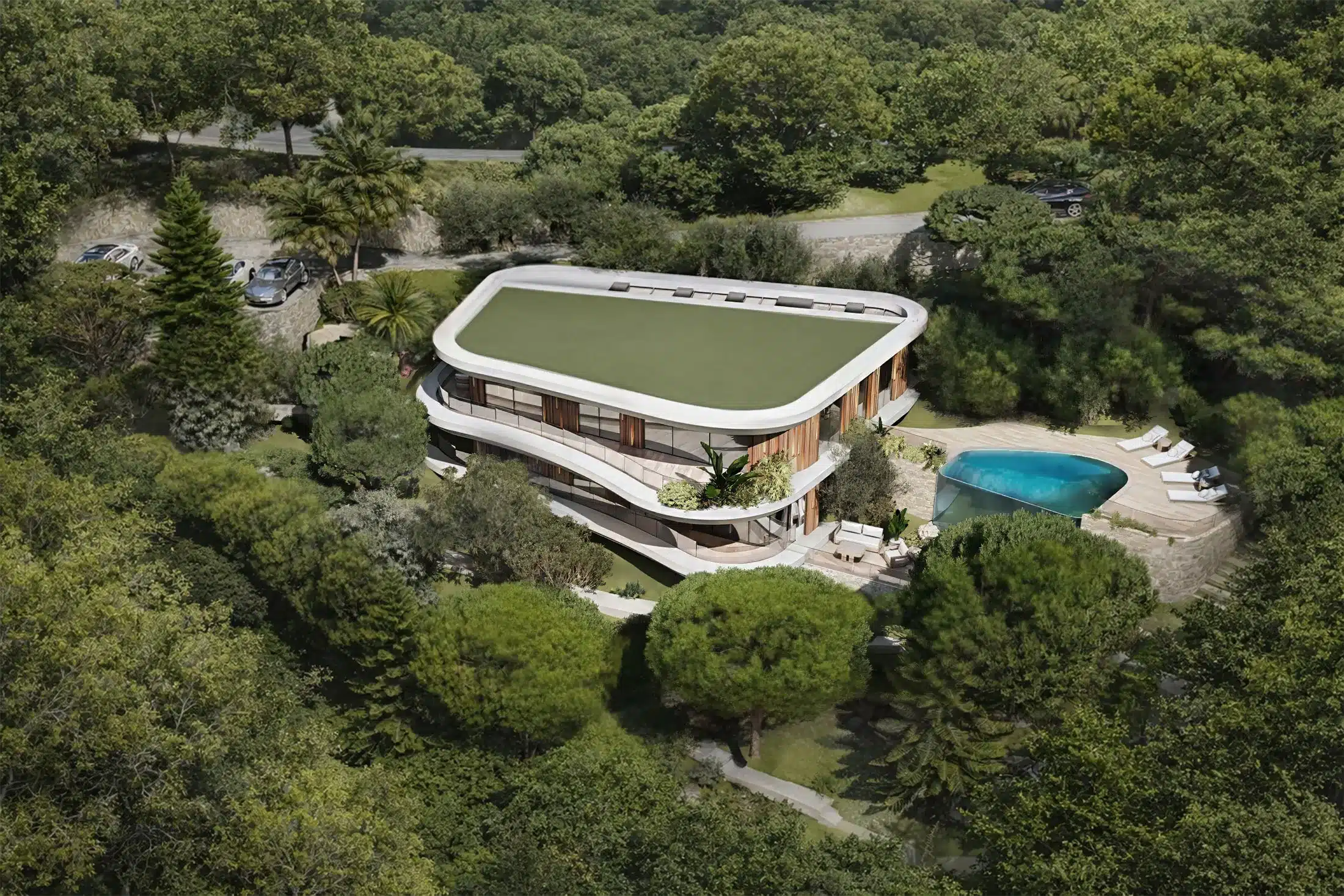
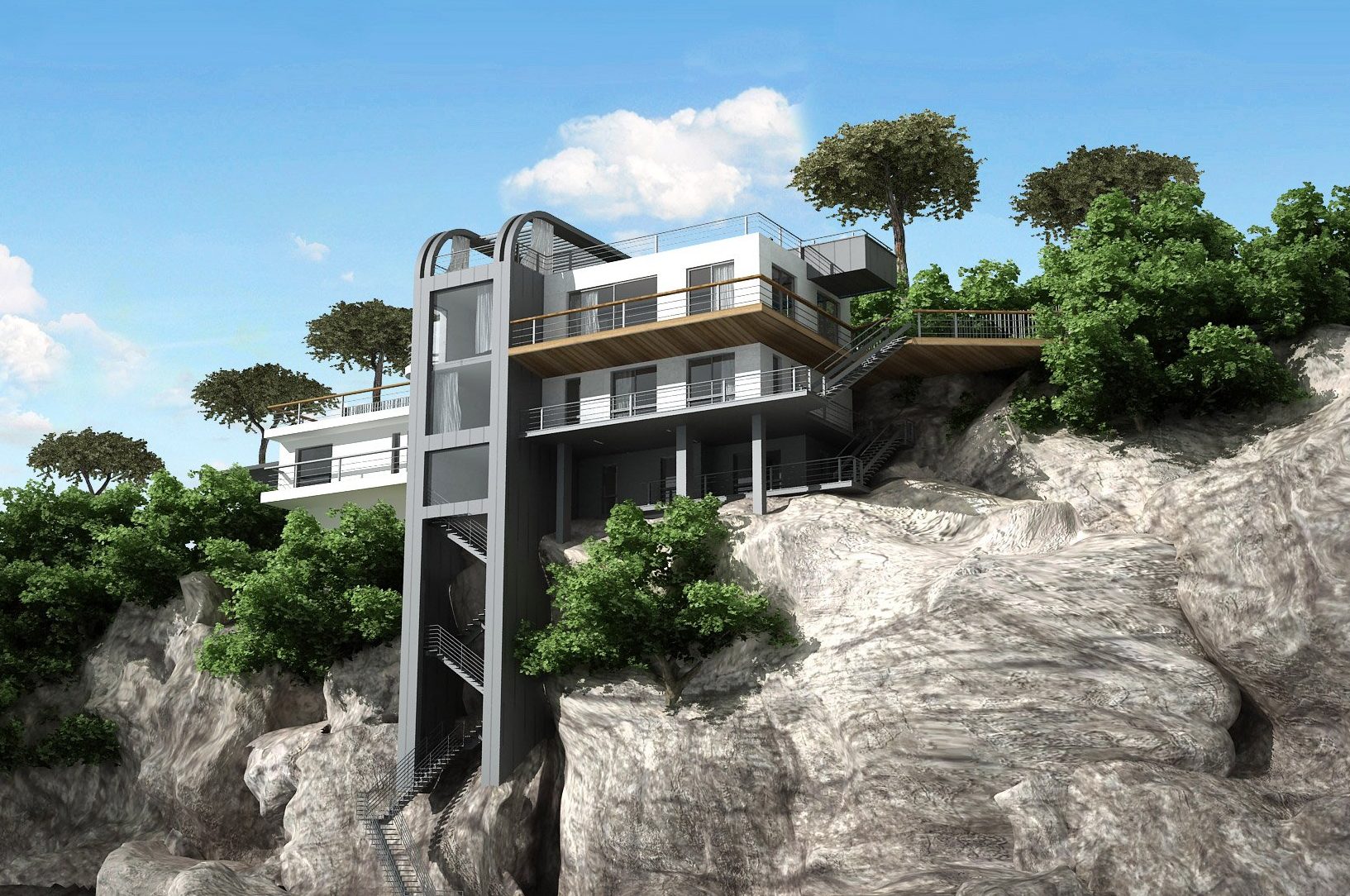
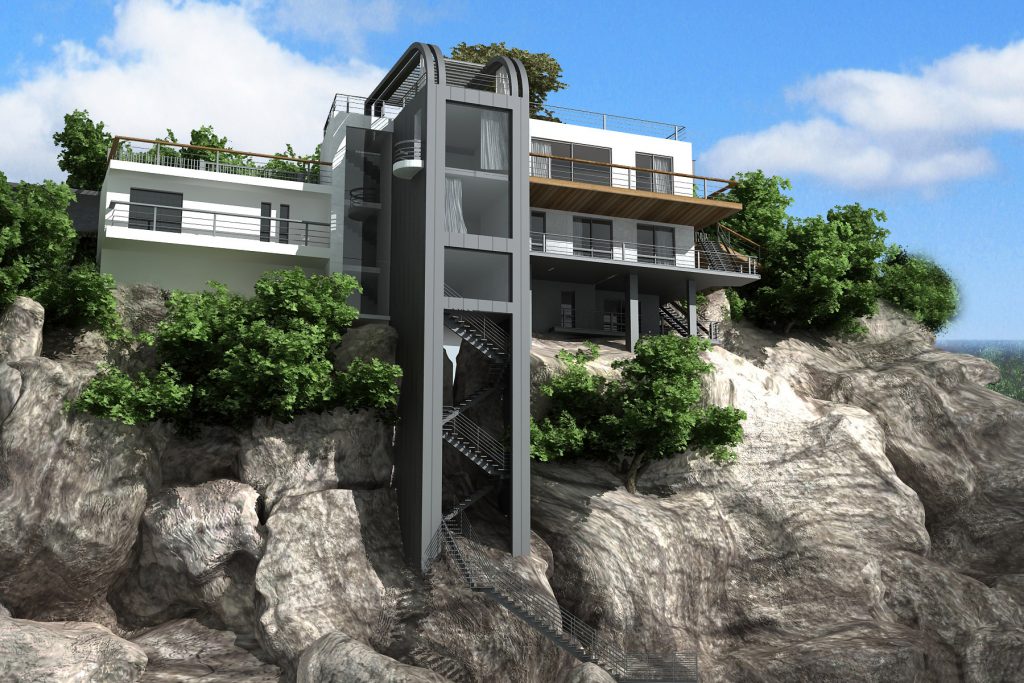
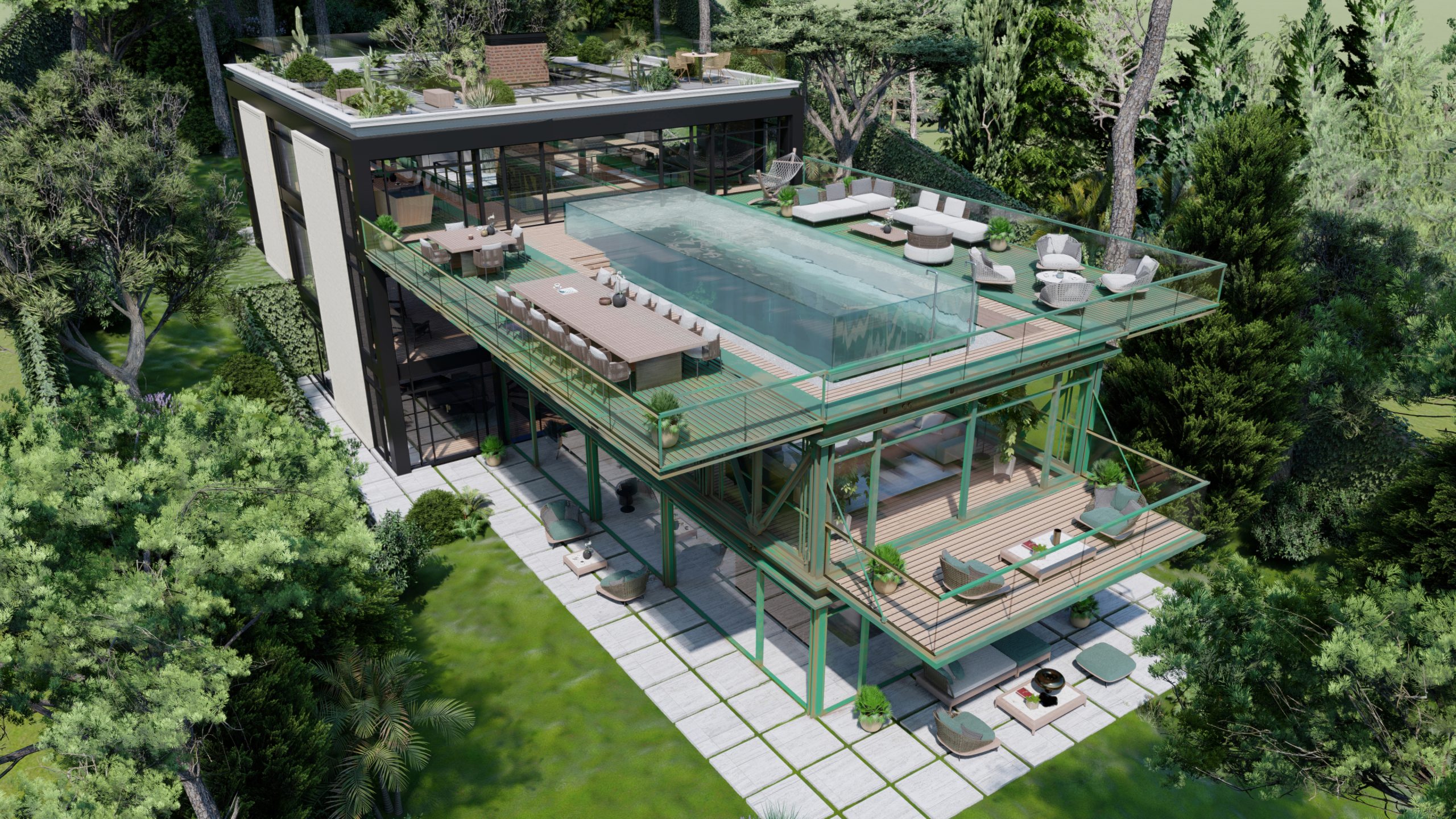
Lanis stands on a steep plot in Saint-Jean-Cap-Ferrat, replacing a former mid-century house with a design generated directly from the land. Developed with complete creative freedom, the project follows the site’s contour lines, the coastal road alignment, and the compact mineral ground as its primary drivers.
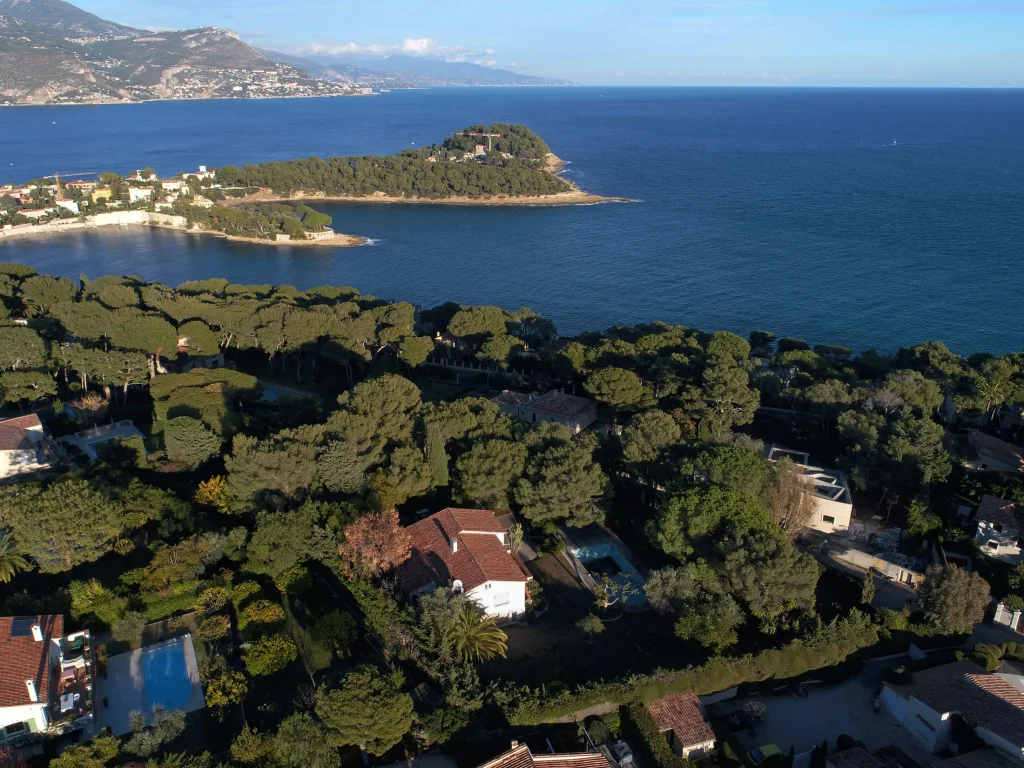
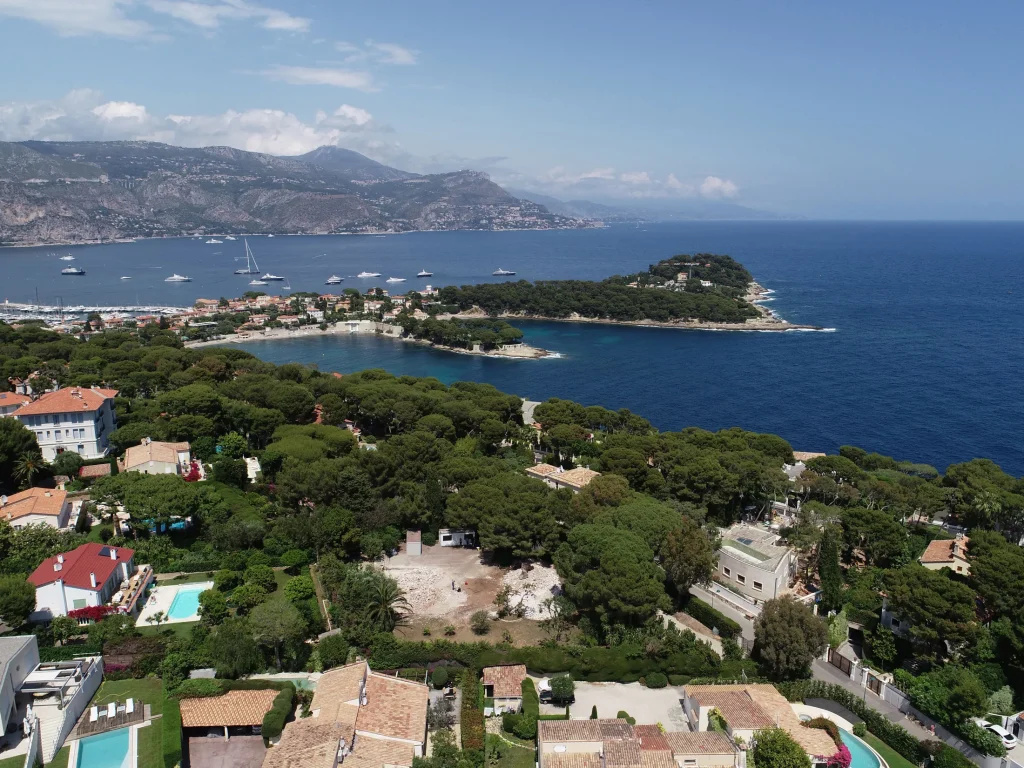
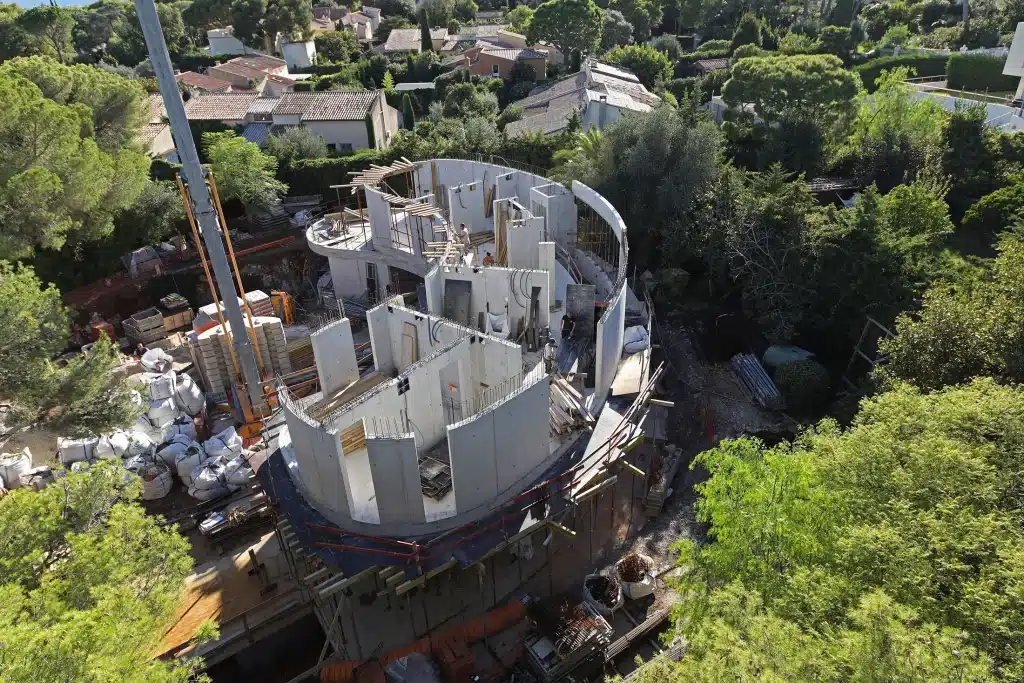
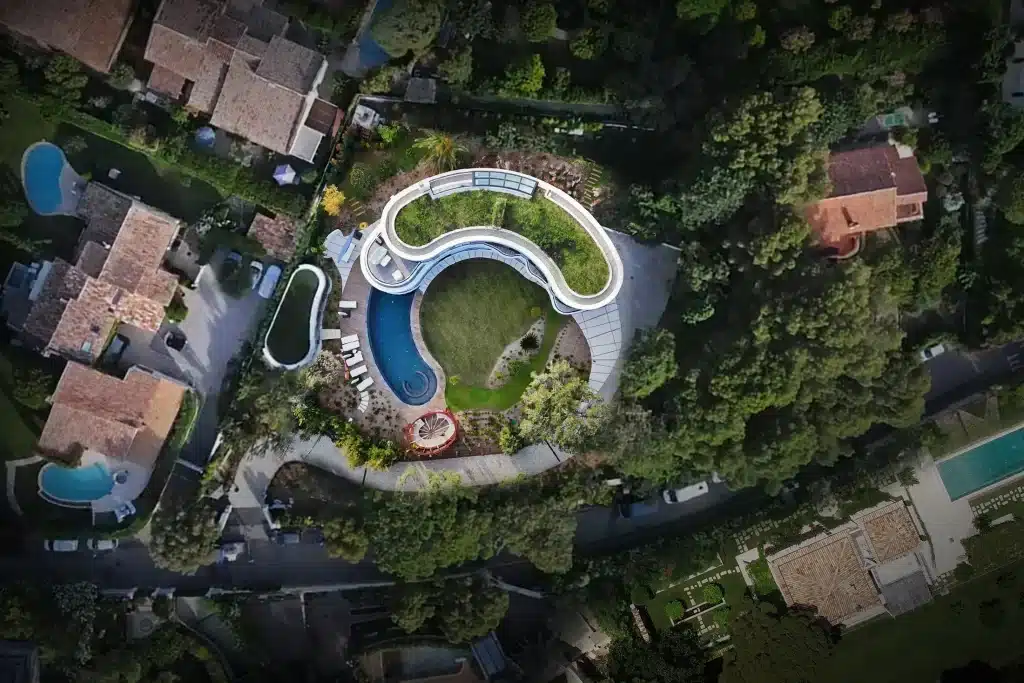
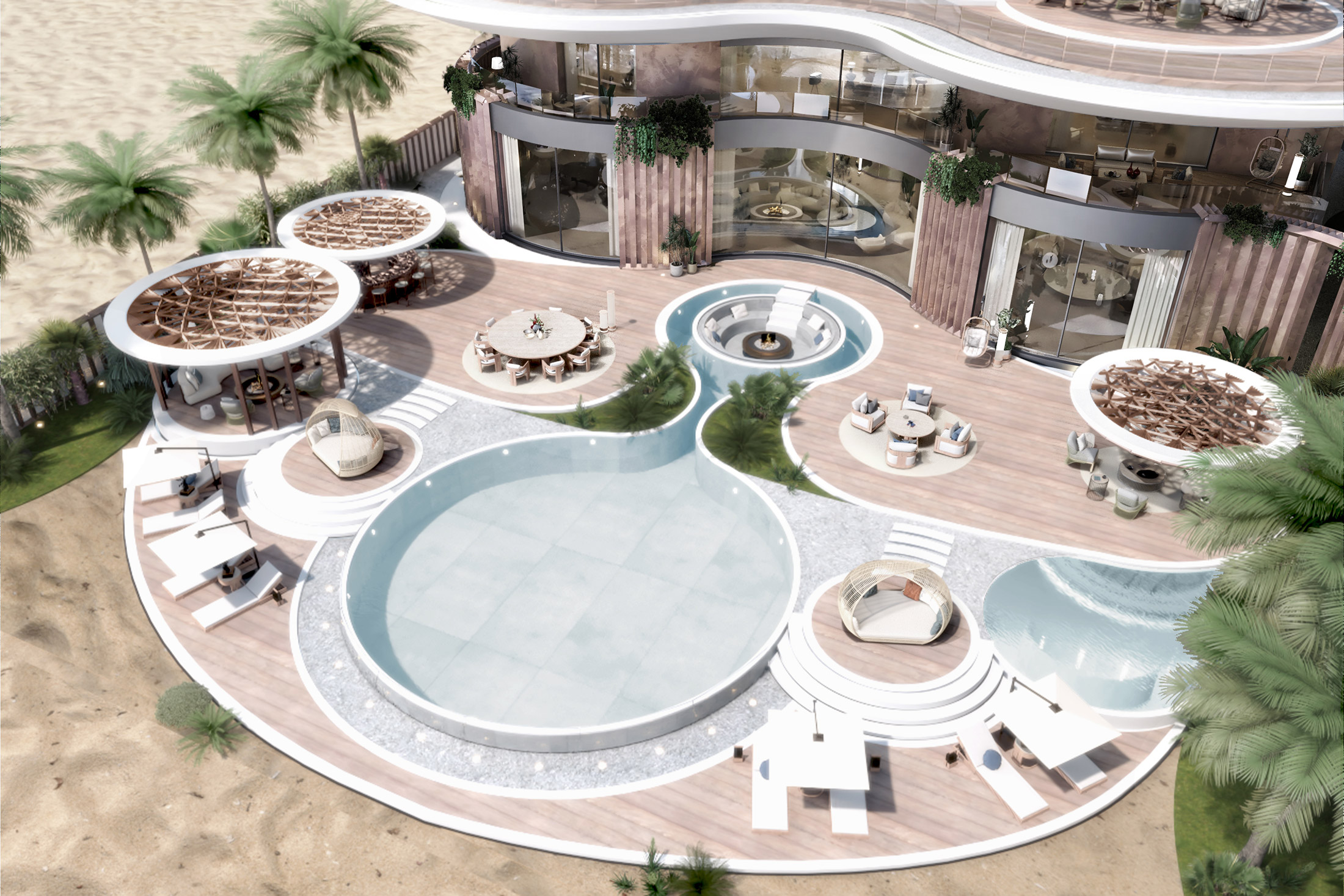
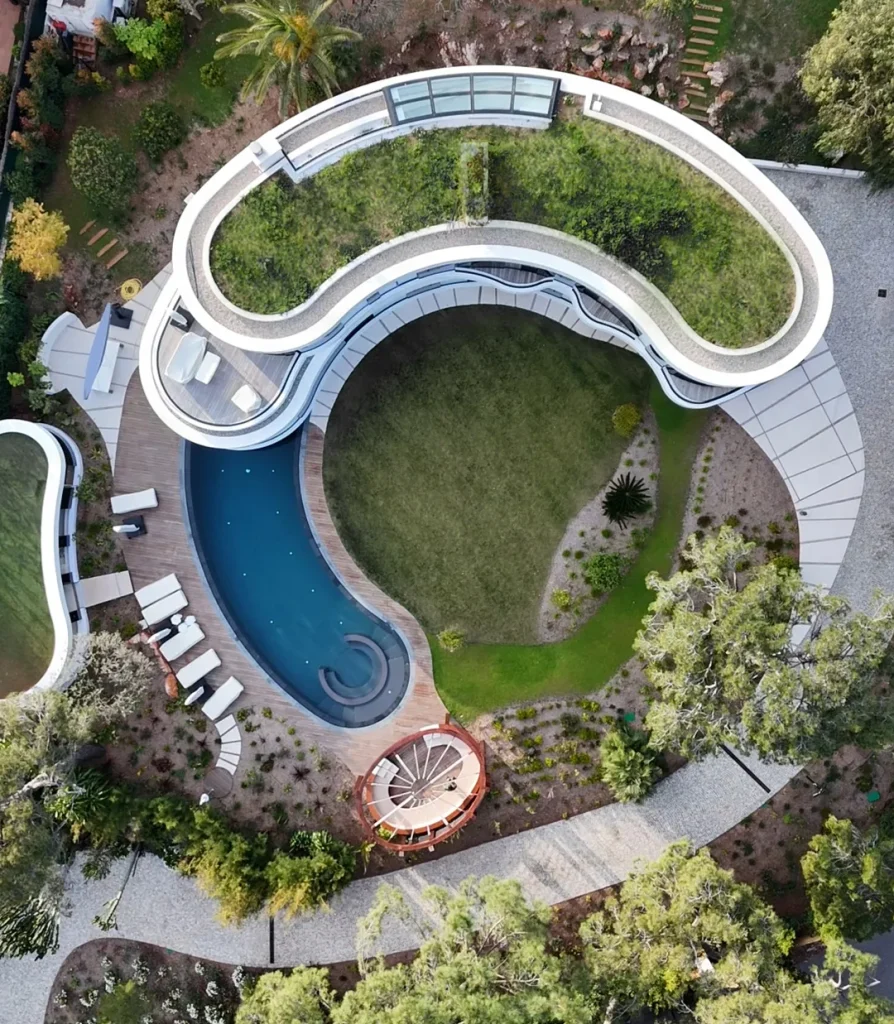
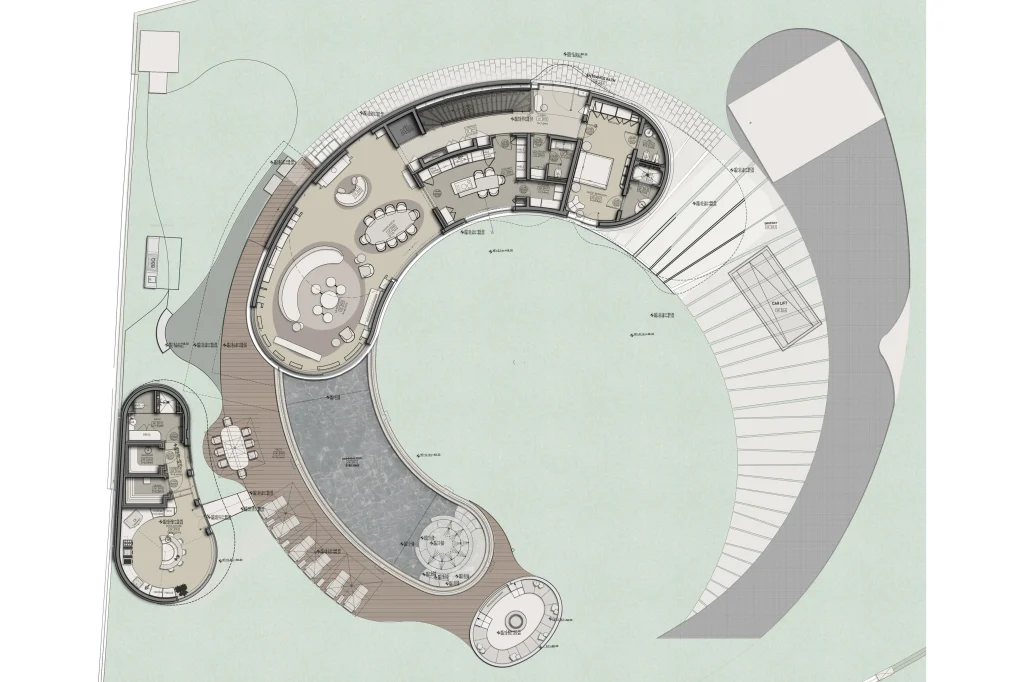
A single continuous curve begins at street level and extends through the plan toward the pool terrace, where the architecture reaches its full expression. This luxury villa in Saint-Jean-Cap-Ferrat is defined by topography rather than frontage. Its geometry feels anchored, as if drawn directly from the terrain.
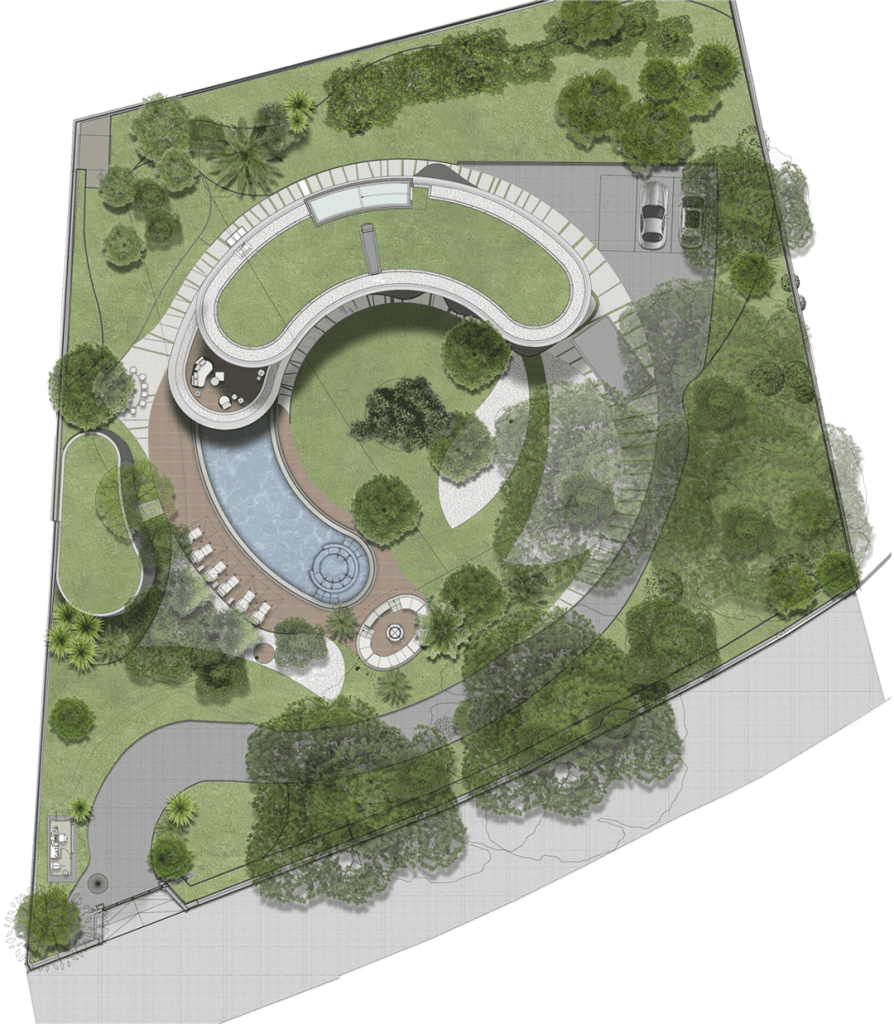
A Continuous Curved Plan
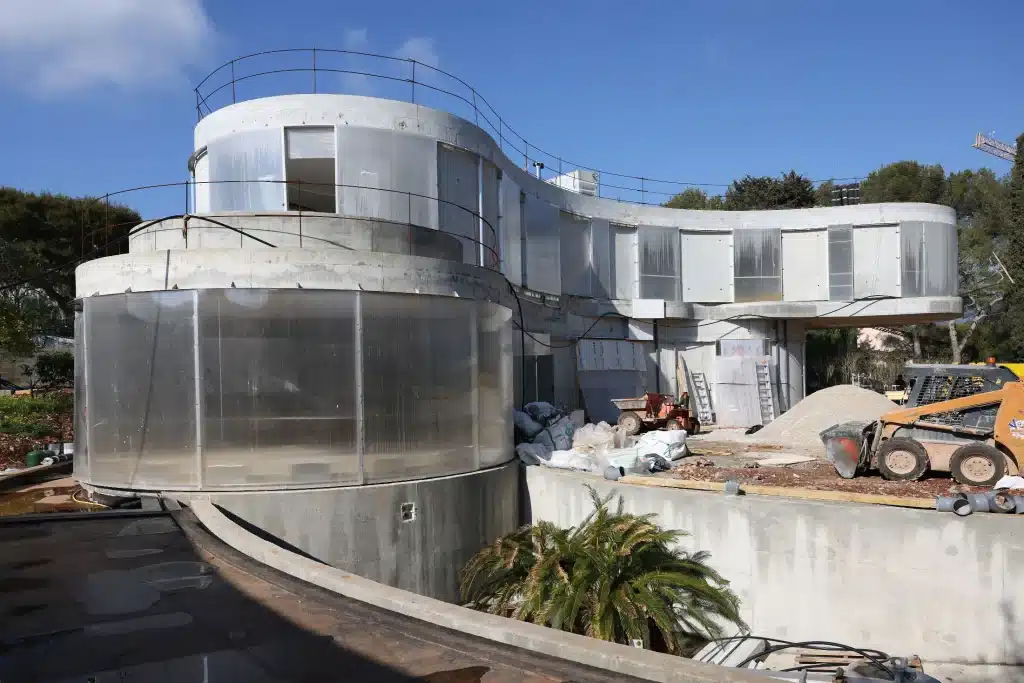
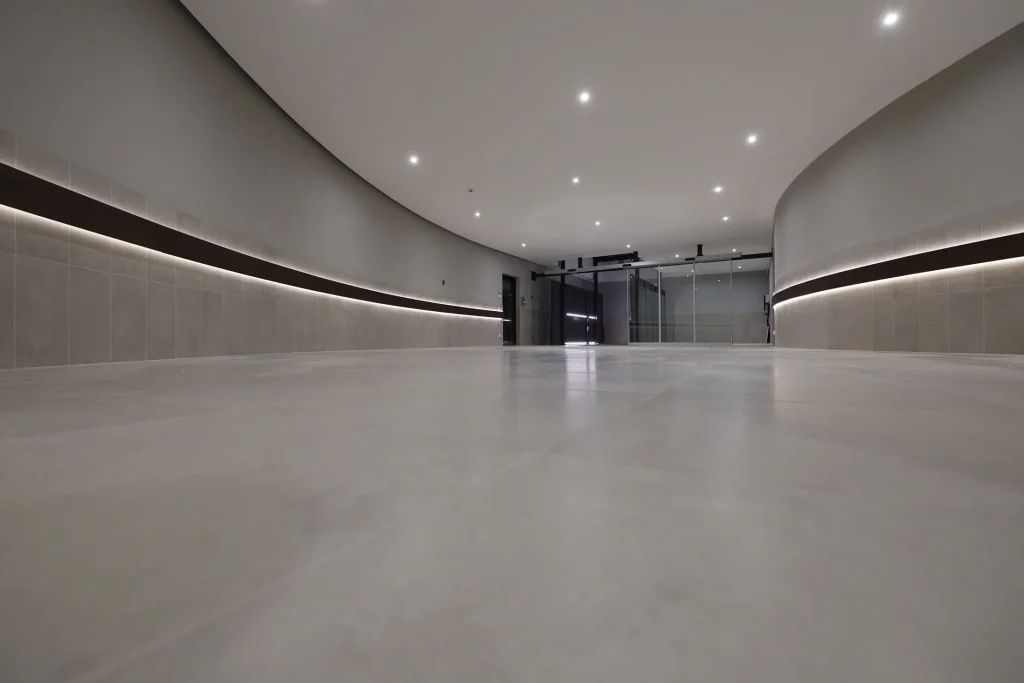
The curve defines both form and experience. Circulation flows without abrupt angles, ceilings rise in gentle arcs, and curved glazing opens wide views toward the garden and the Mediterranean horizon. A subtle horizontal shift between two identical volumes creates a sheltered entrance below and a terrace above, establishing depth through proportion rather than ornament.
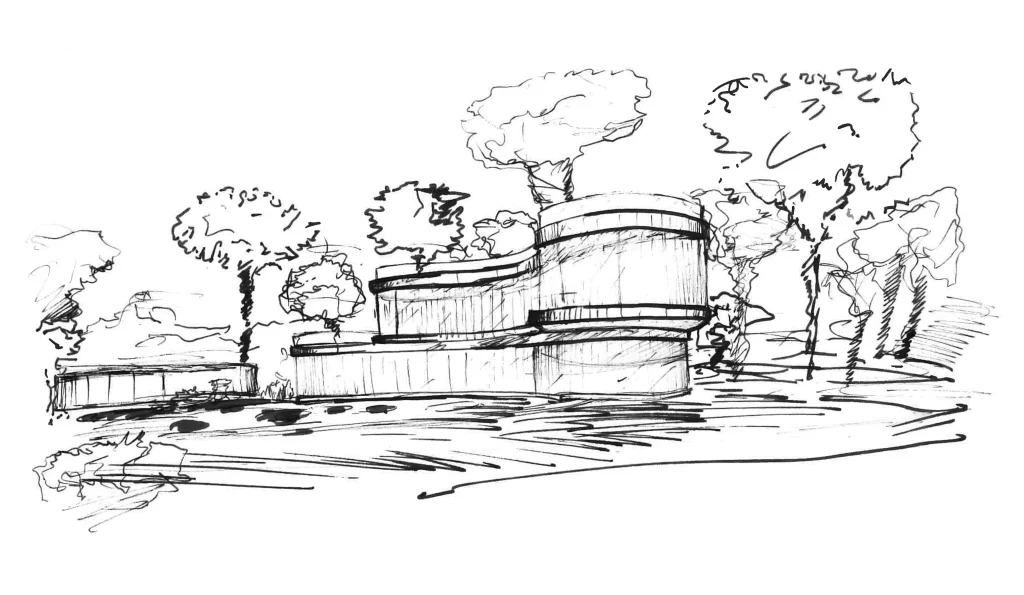
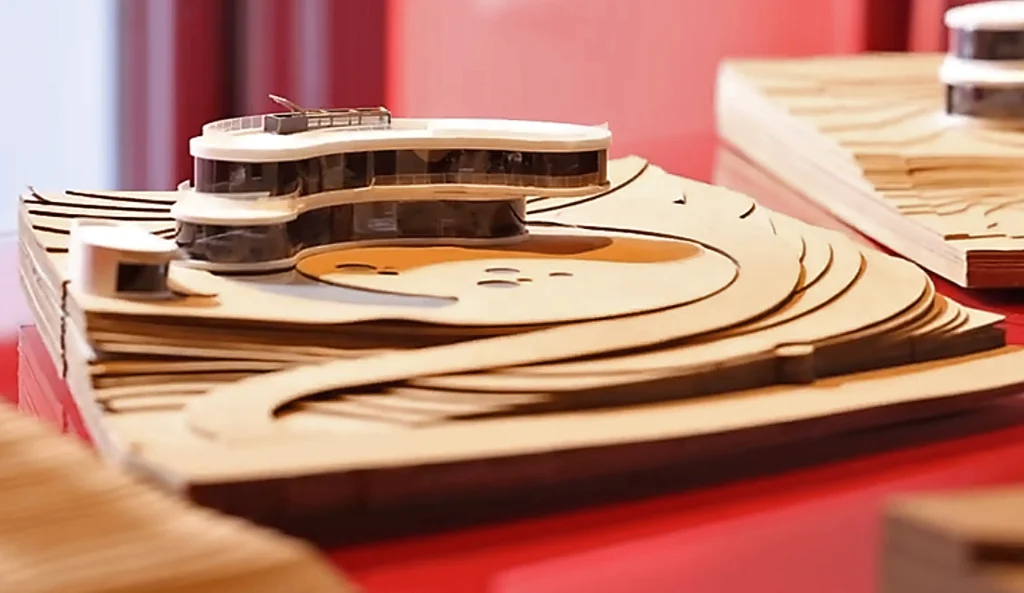
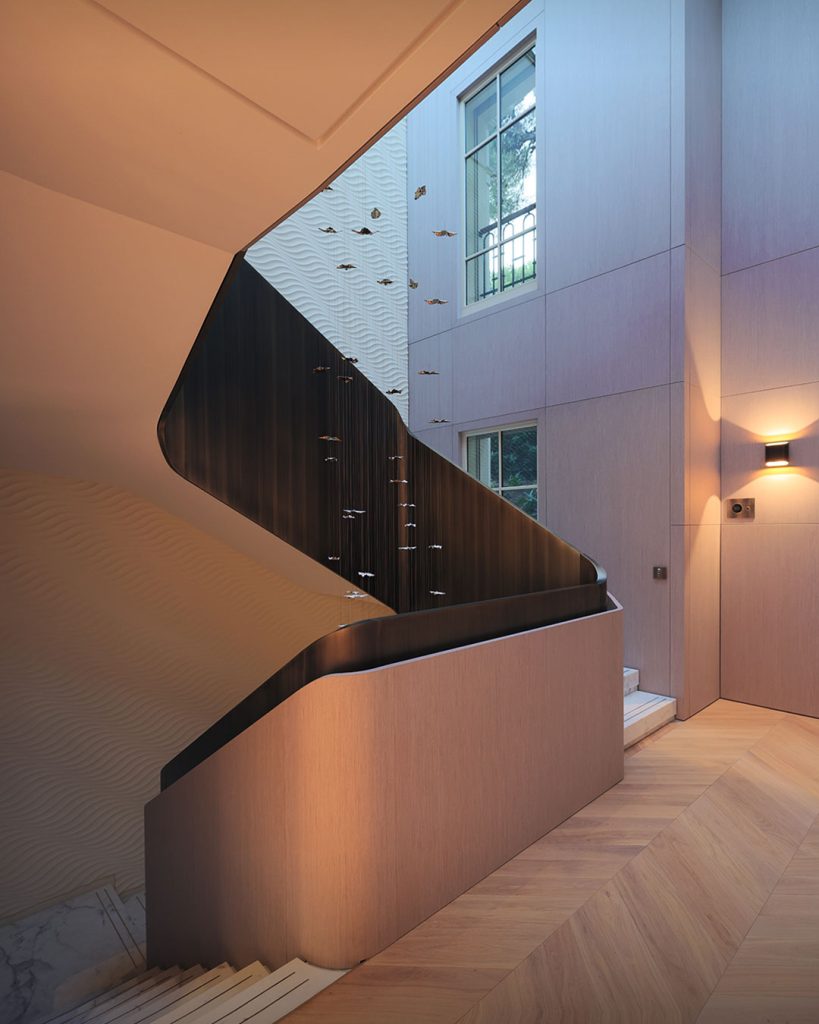
This logic extends beyond the exterior form, shaping interior walls, ceilings, and spatial transitions with the same continuity. Movement through the house remains fluid and intuitive, connecting arrival, living areas, and private spaces in a continuous sequence. Within the landscape of high-end residential architecture in France, the geometry remains calm, controlled, and livable, an inhabitable architecture shaped by movement and use.
Glass Façade and Material Continuity
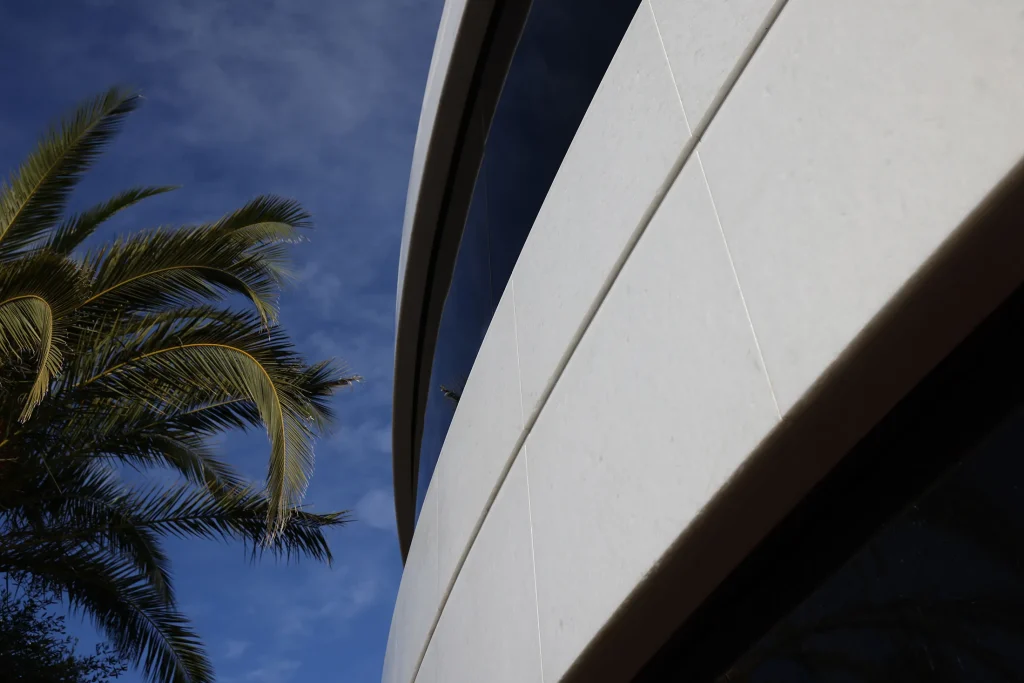
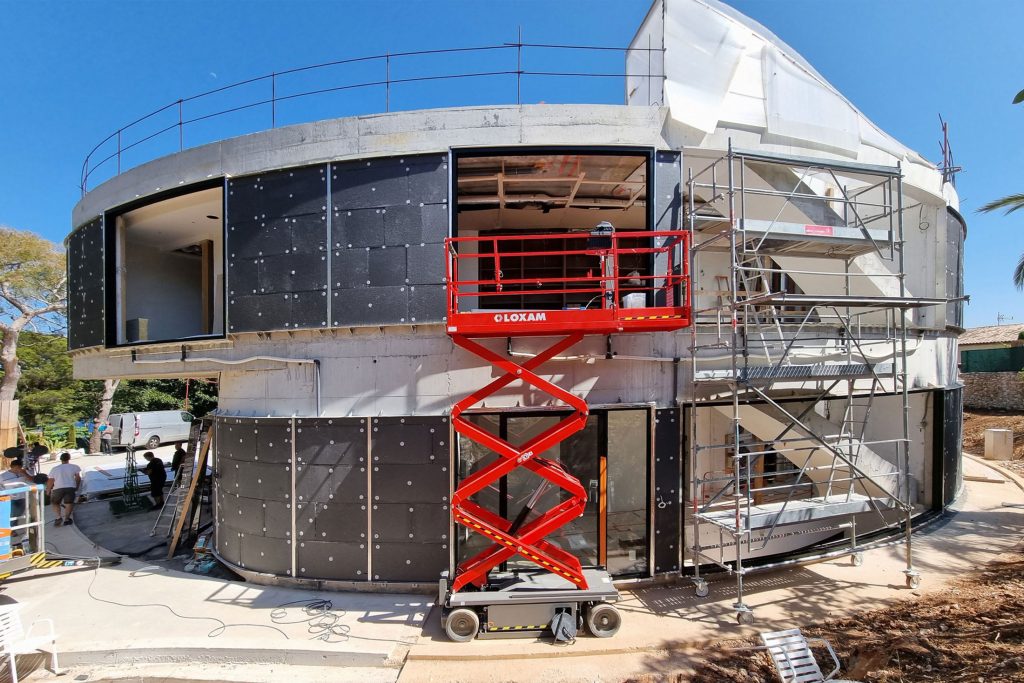
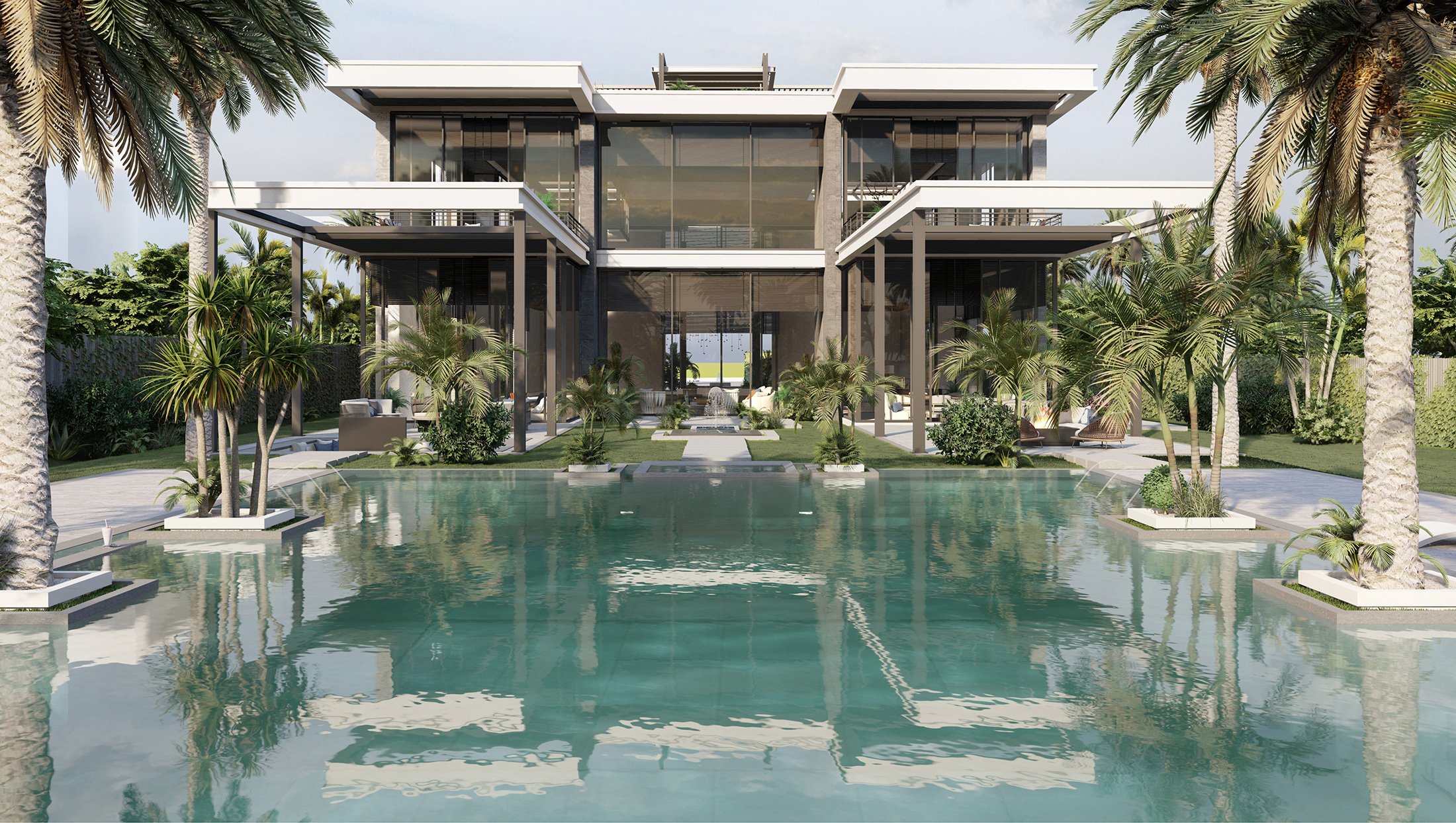
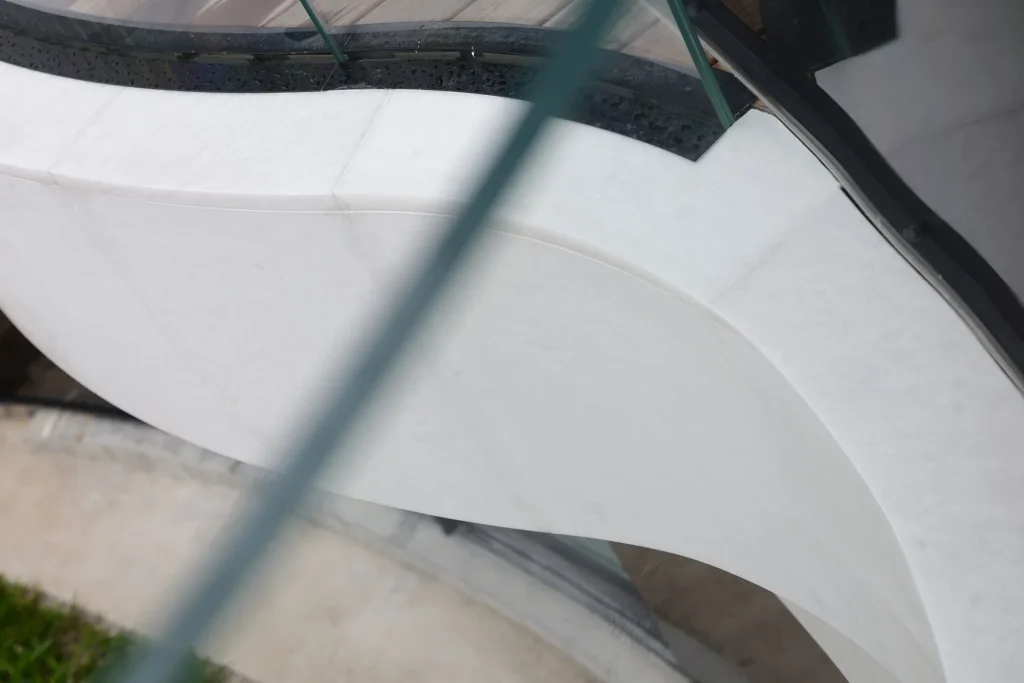
Material selection reinforces this clarity. The façade is predominantly glazed, allowing the architecture to remain visually light while expressing the fluid geometry of the volumes. Horizontal bands clad in white marble frame the glass envelope, precisely cut to follow each curve and installed as a ventilated system. Light moves across these surfaces throughout the day, revealing the building’s changing character.
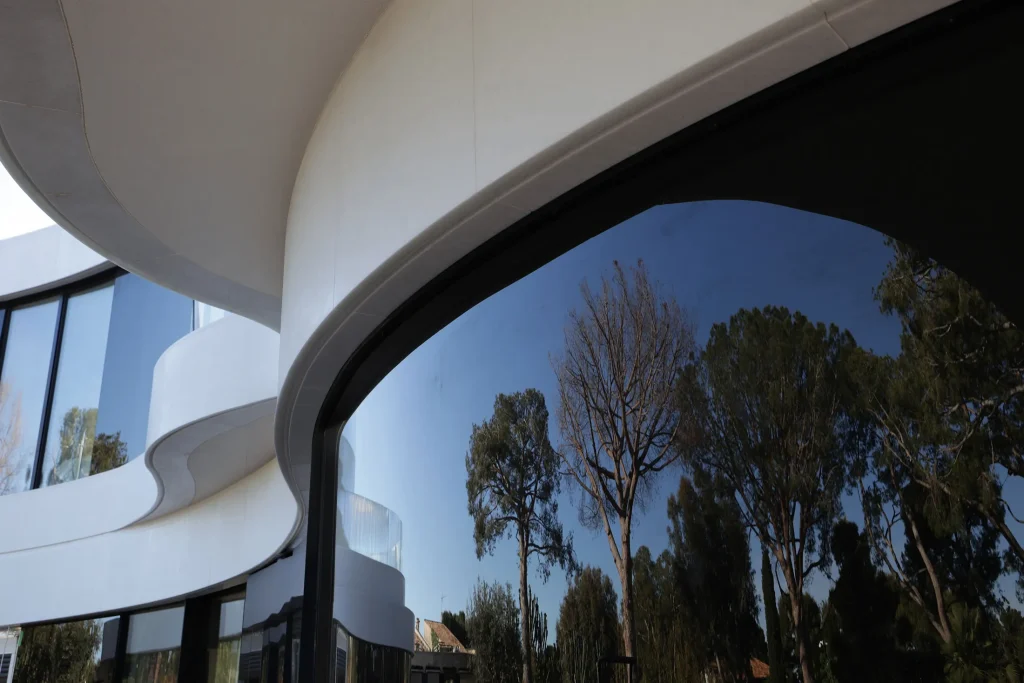
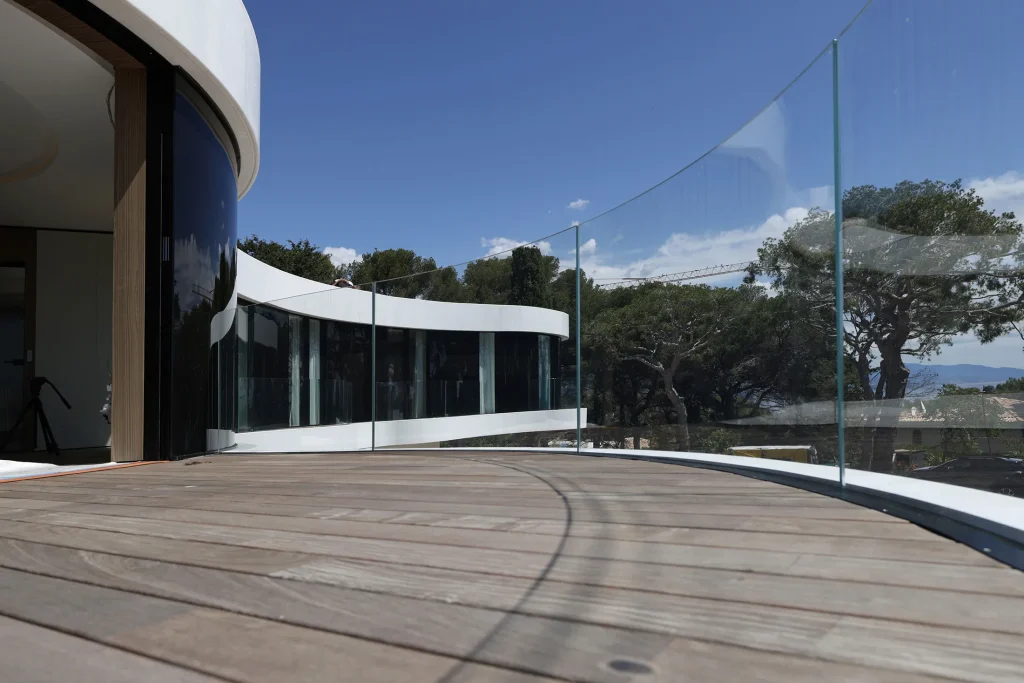
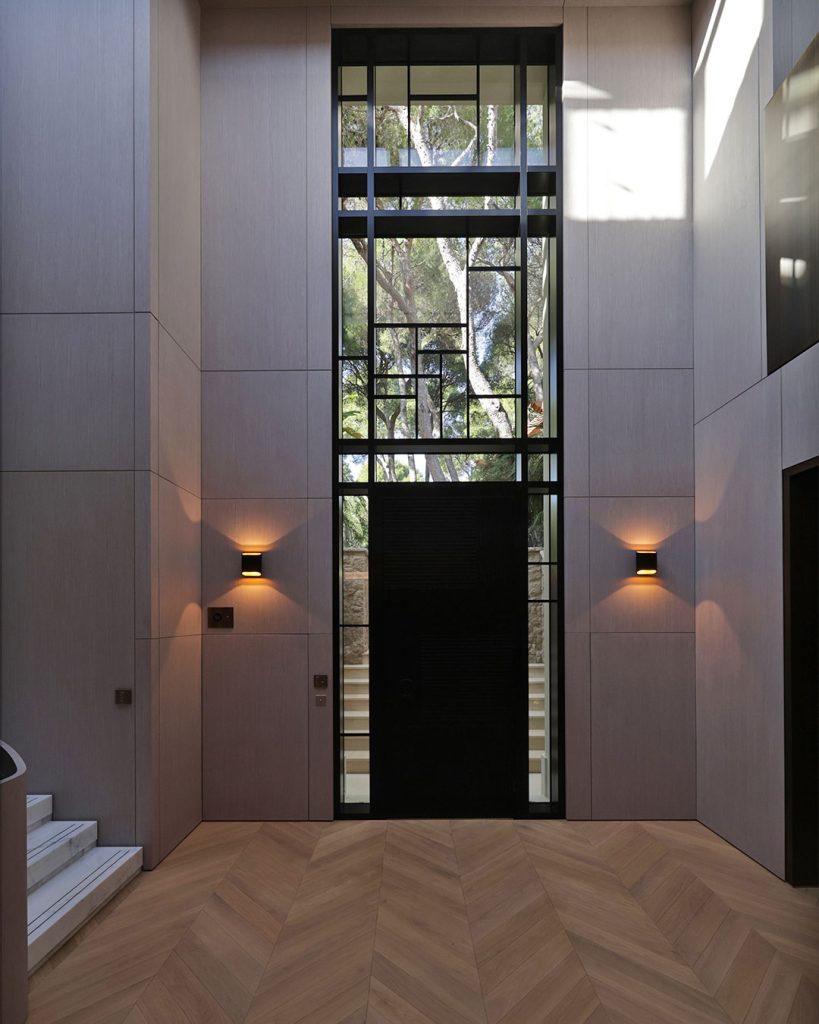
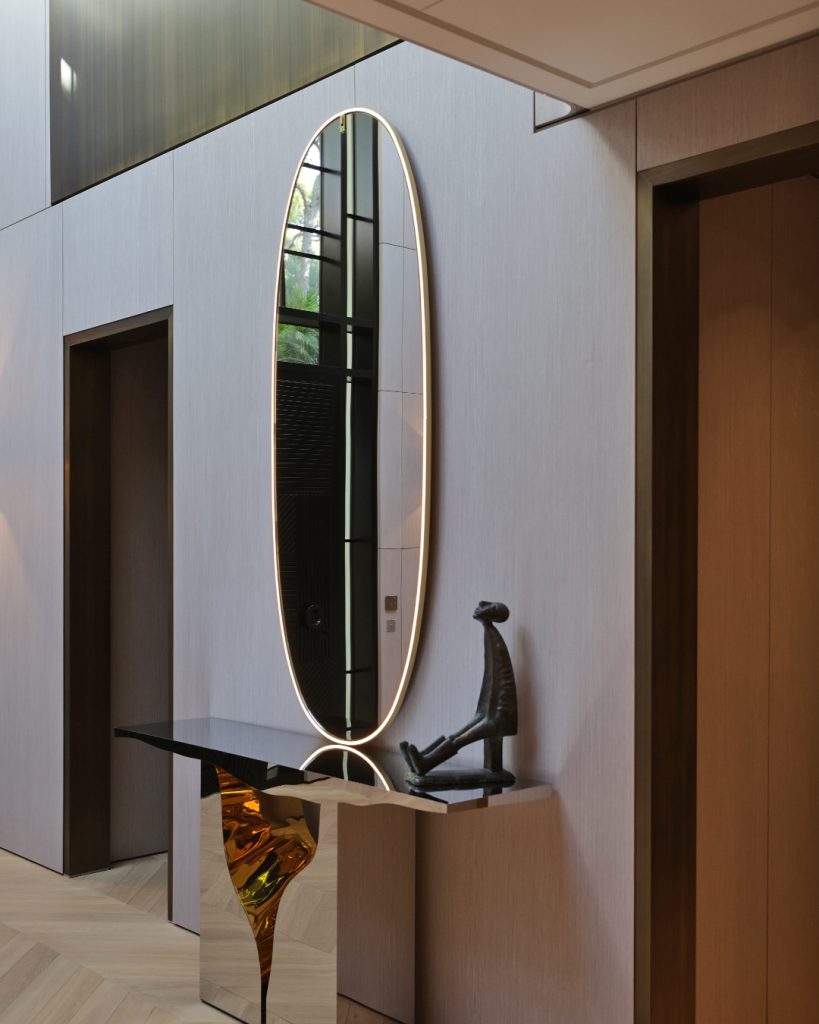
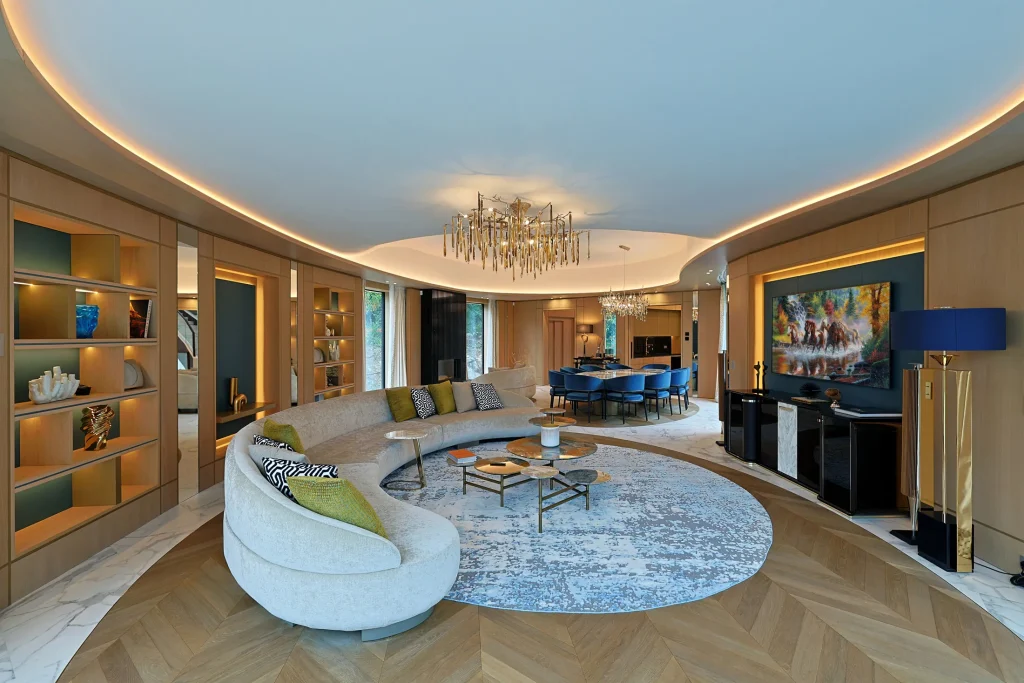
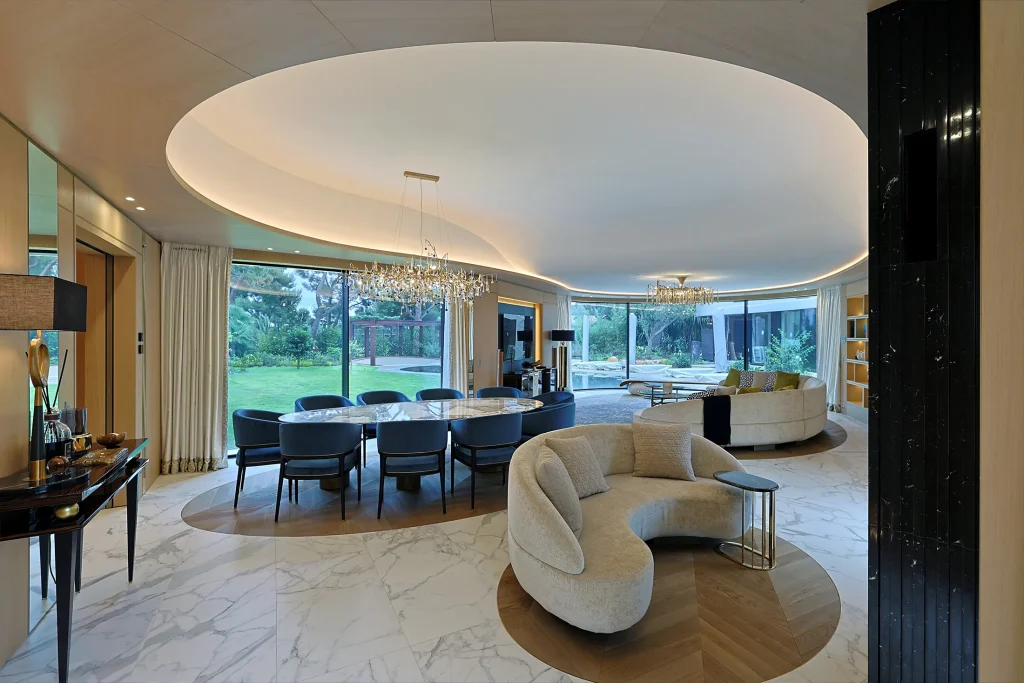
Inside, oak parquet and marble flooring meet along clean lines, while timber-lined ceilings soften the mineral structure. Fully curved sliding and operable glazing dissolve the boundary between interior and exterior, allowing terraces and living spaces to function as one cohesive environment shaped by Mediterranean light.
Living and Exterior Sequence
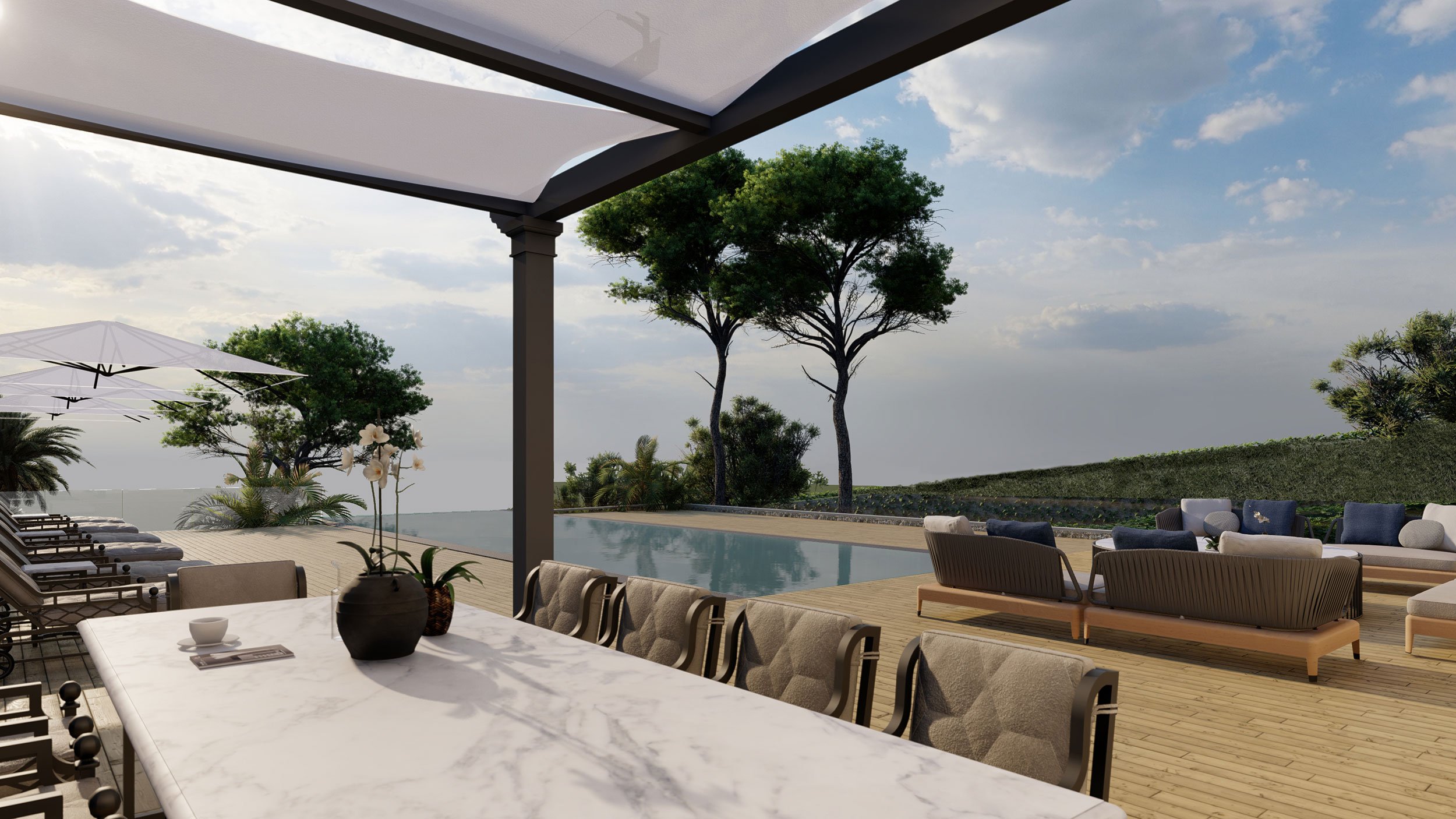
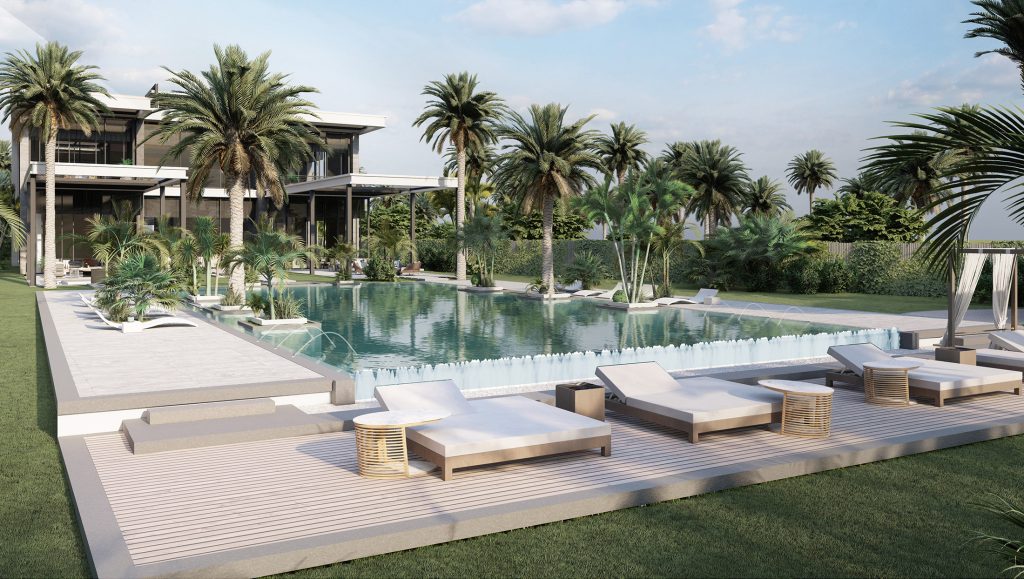
The villa is organized as a continuous sequence of living spaces oriented toward the landscape. Reception areas extend toward the pool terrace, reinforcing the direct relationship between interior and exterior.
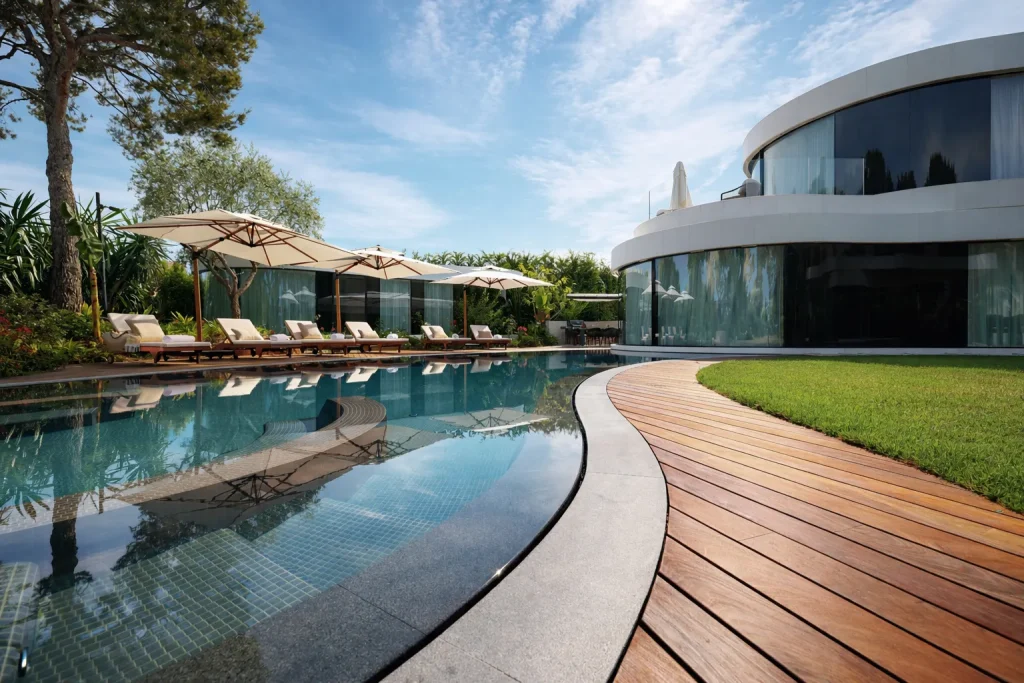
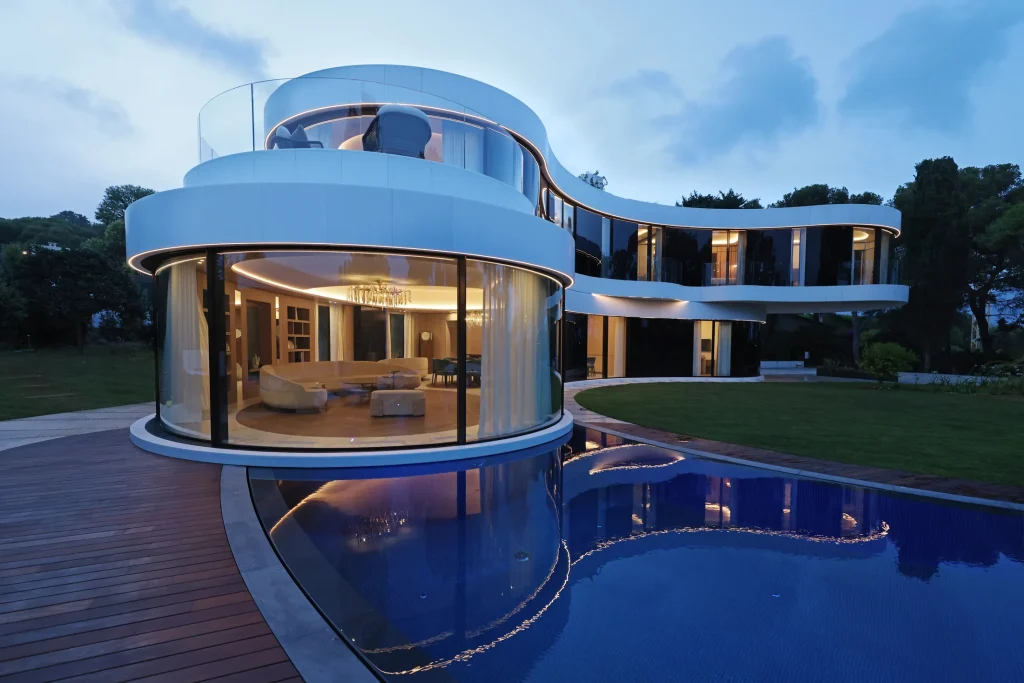
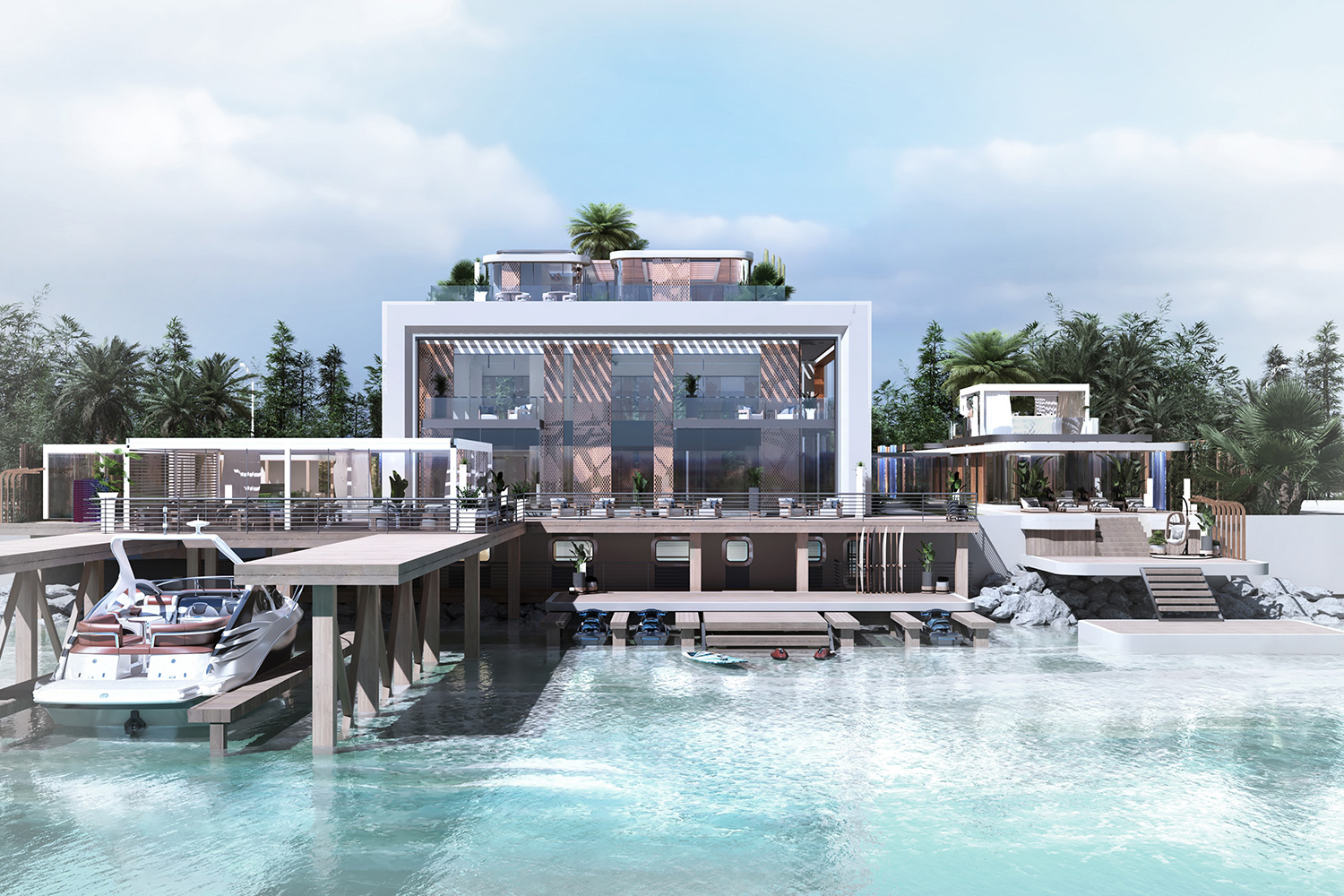
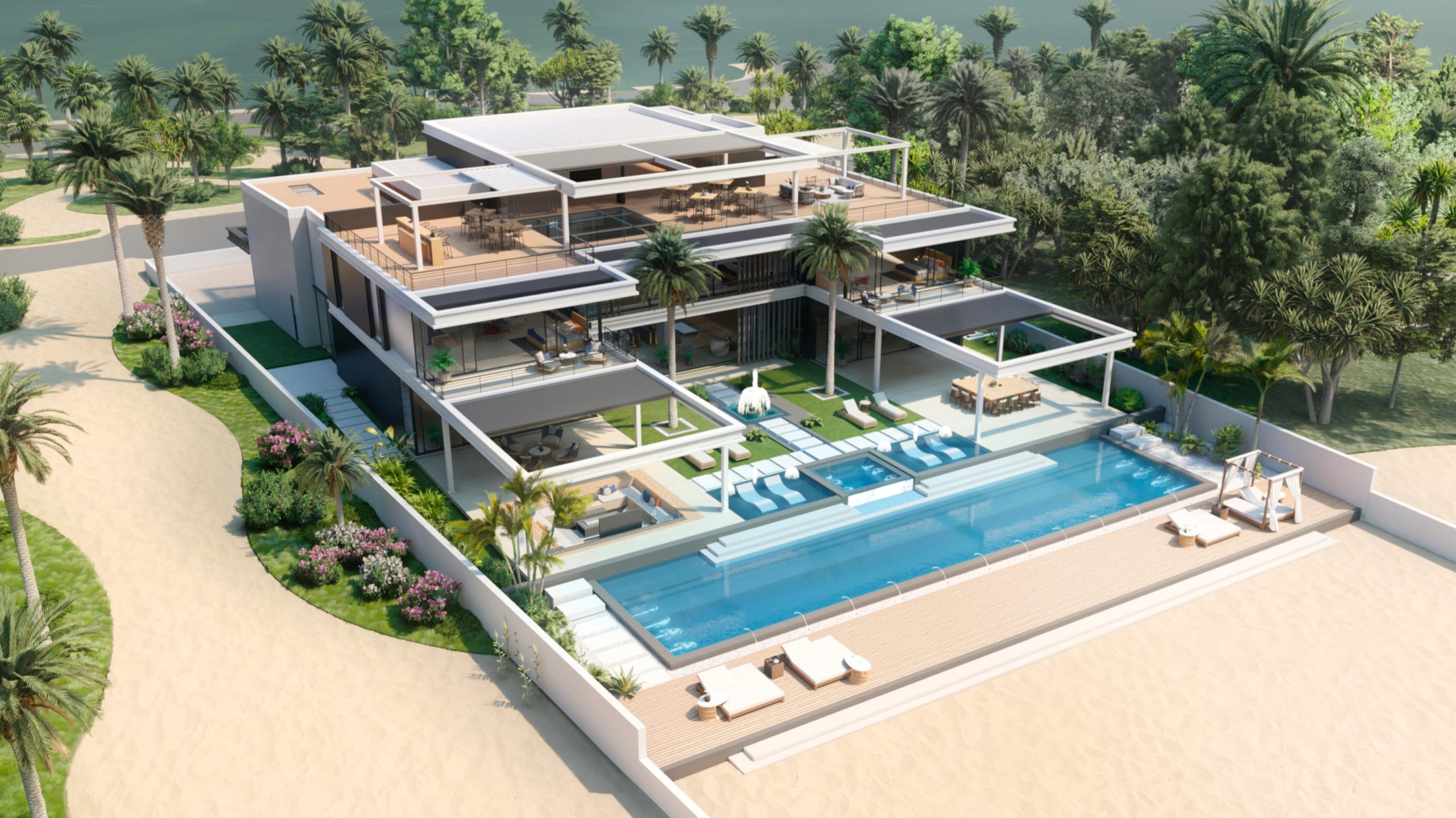
At the end of the architectural curve, the pool becomes a central element of the composition, extending the geometry into the open horizon. A dedicated poolhouse complements the main volume, integrating spa functions including sauna, hammam, and massage areas. This secondary structure expands the living experience, allowing wellness and outdoor life to unfold as a natural extension of the architecture.
Excavation and Integrated Access
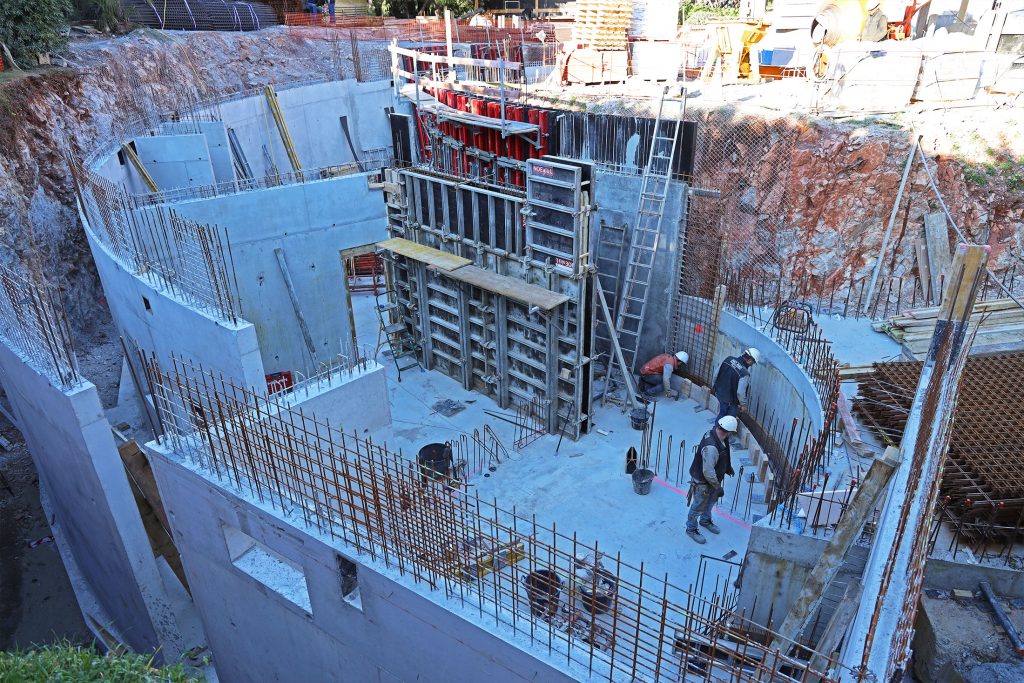
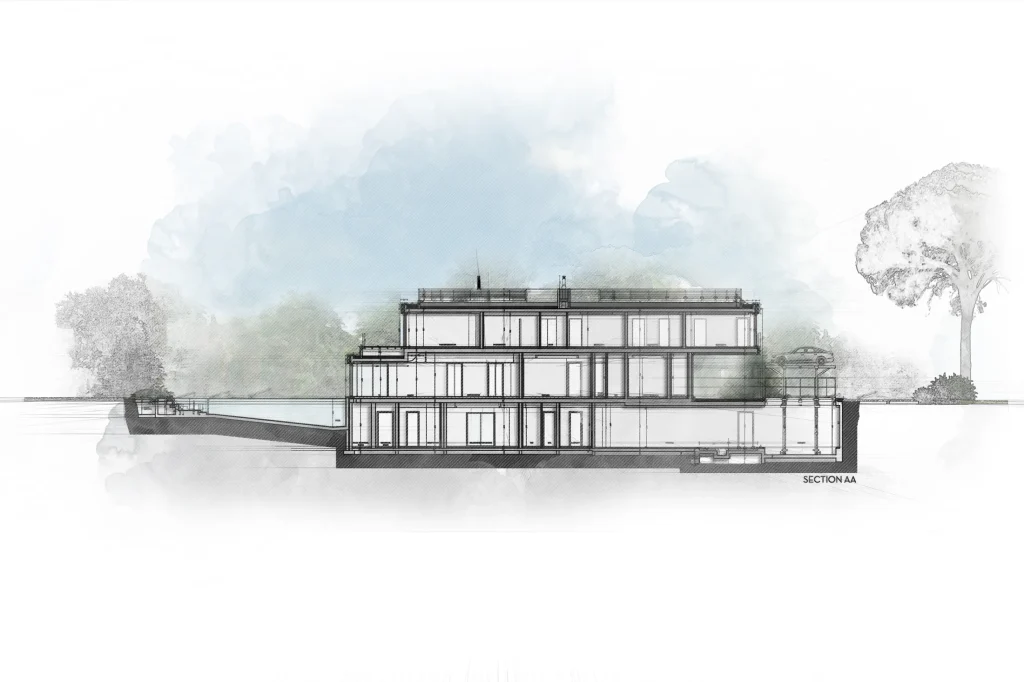
Behind this fluidity lies rigorous construction. Excavation into the dense Cap-Ferrat rock allowed the creation of a peripheral technical void around the basement, ensuring durability over time and protection from humidity.
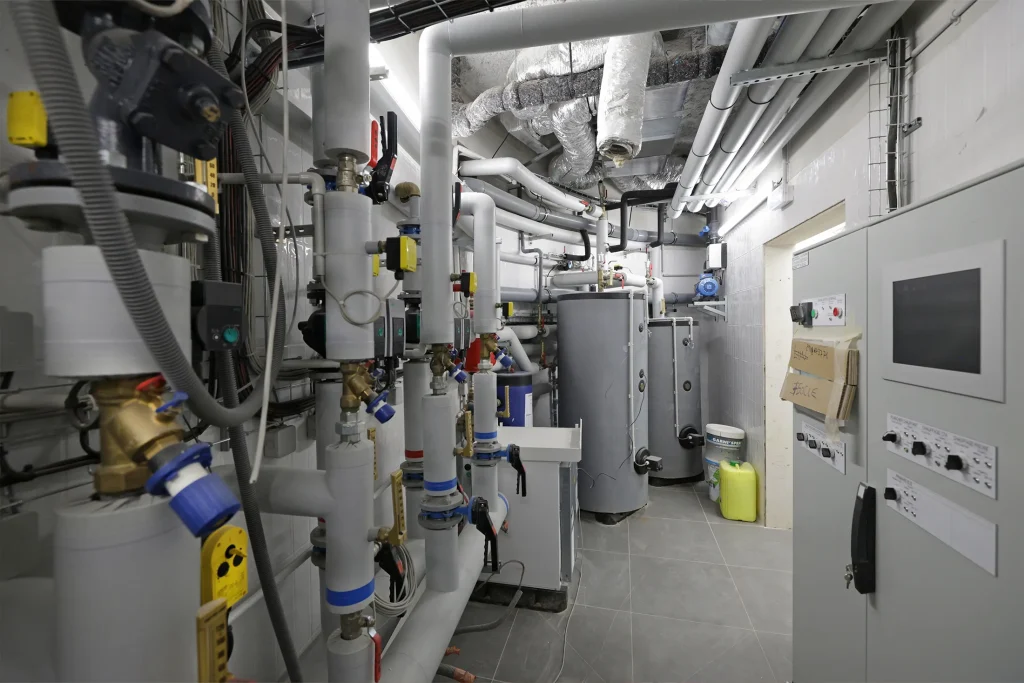
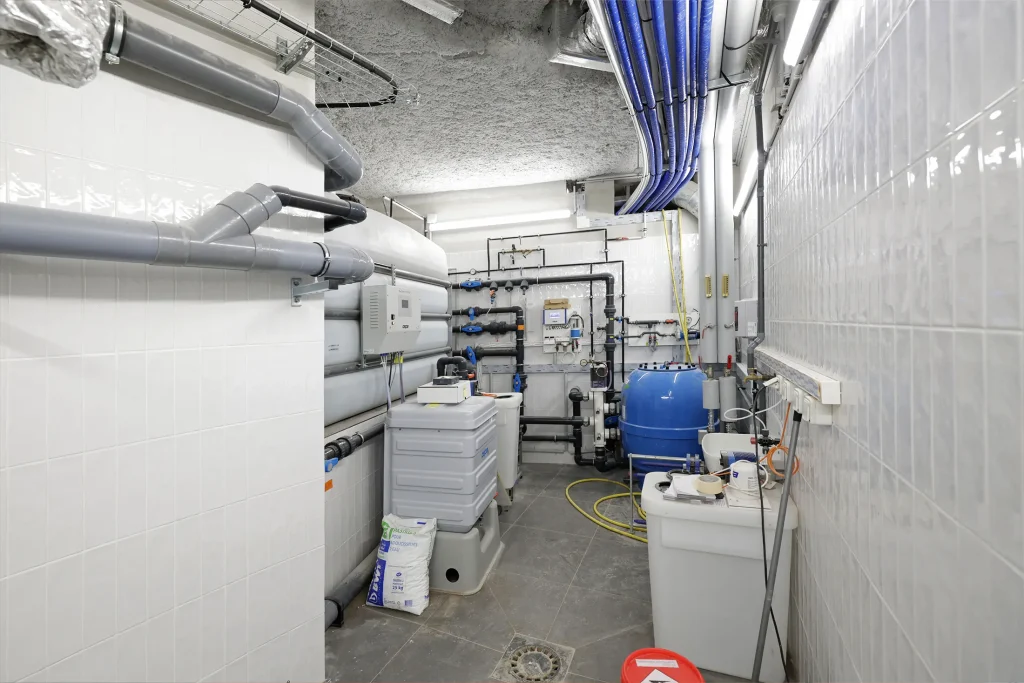
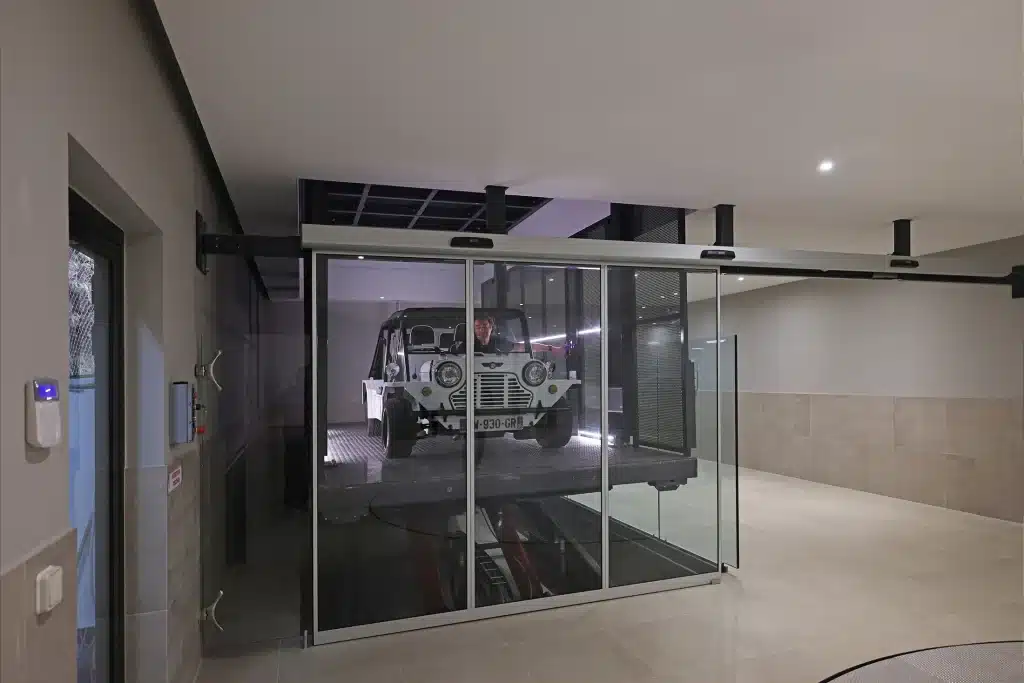
Vehicular access is resolved discreetly through a concealed lift at street level, finished with the same material as the roadway to remain invisible when closed. Below, a rotating platform allows vehicles to maneuver efficiently within the constrained site, preserving both landscape continuity and spatial coherence.
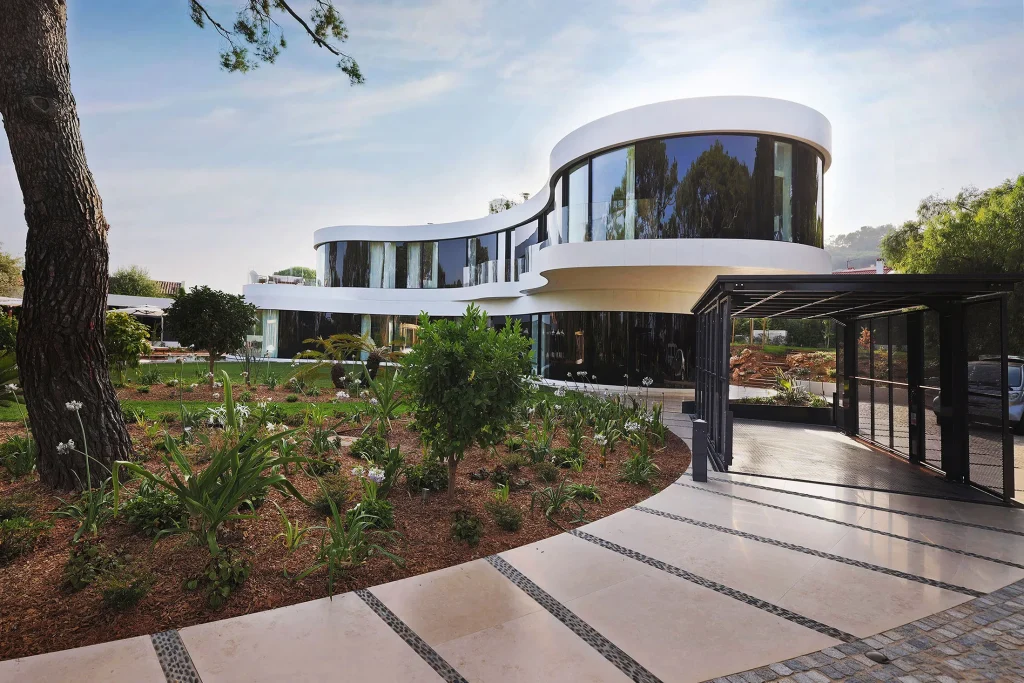
Lanis expresses a disciplined architectural approach where curve, material, and light remain in balance, a contemporary coastal residence shaped by its site and designed for a precise and continuous living experience.
Check the progress below: