Dubai
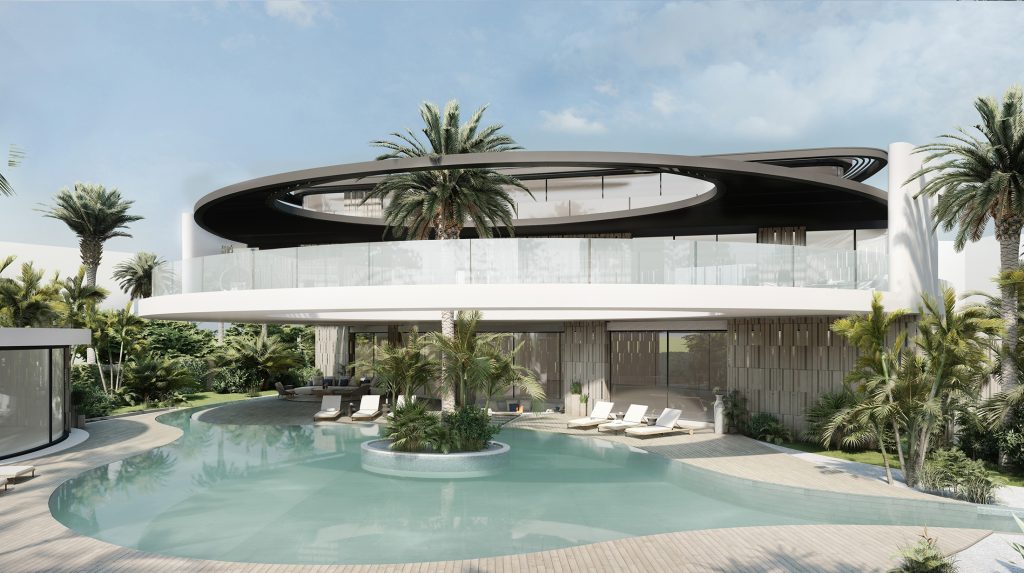
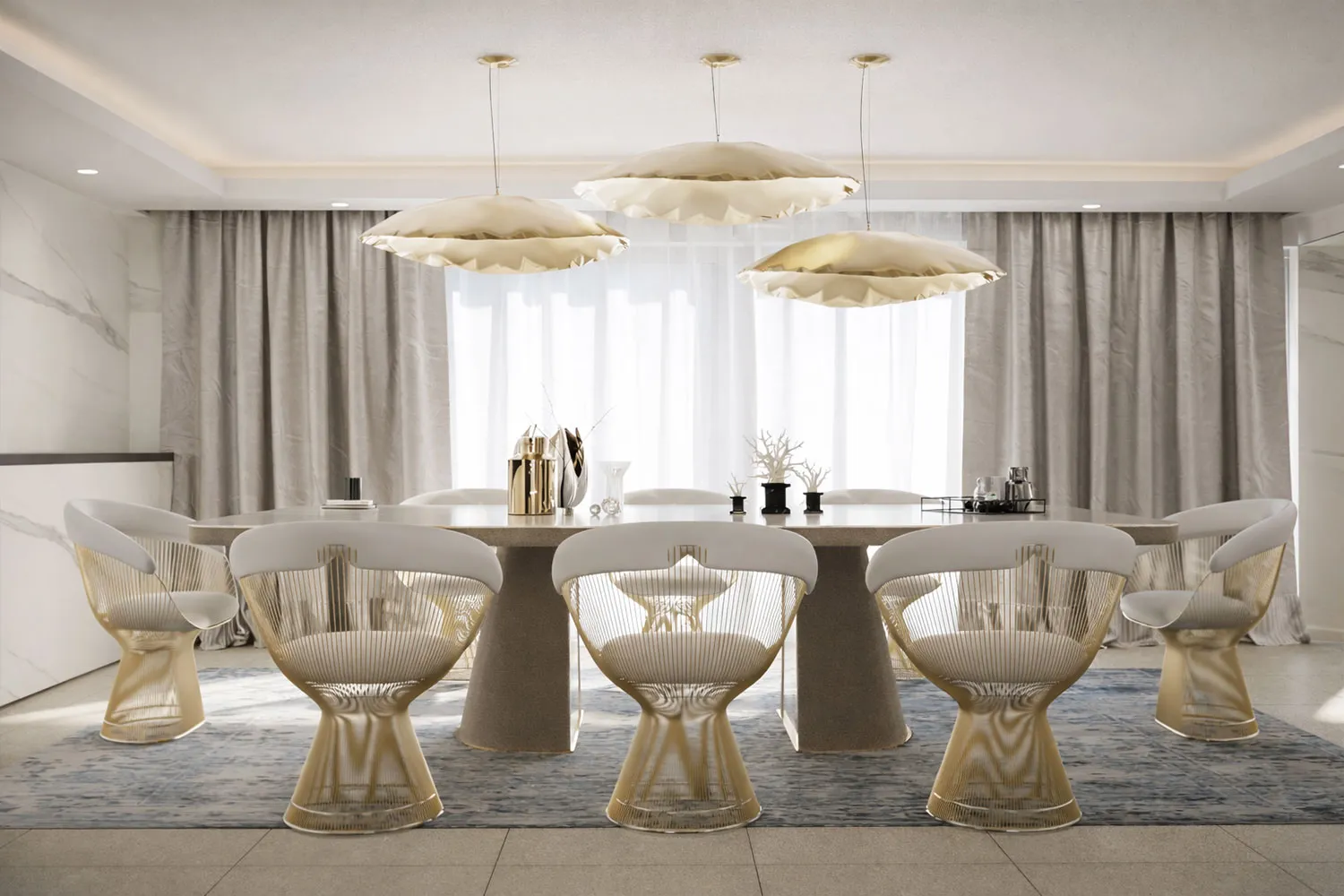
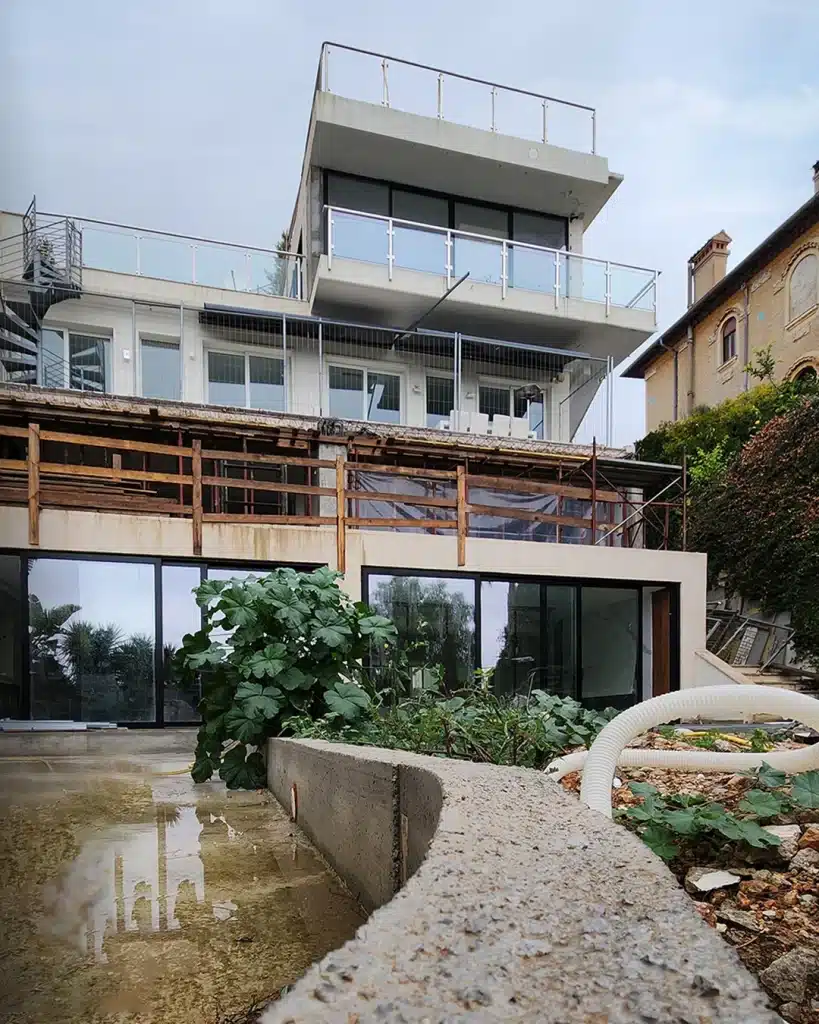
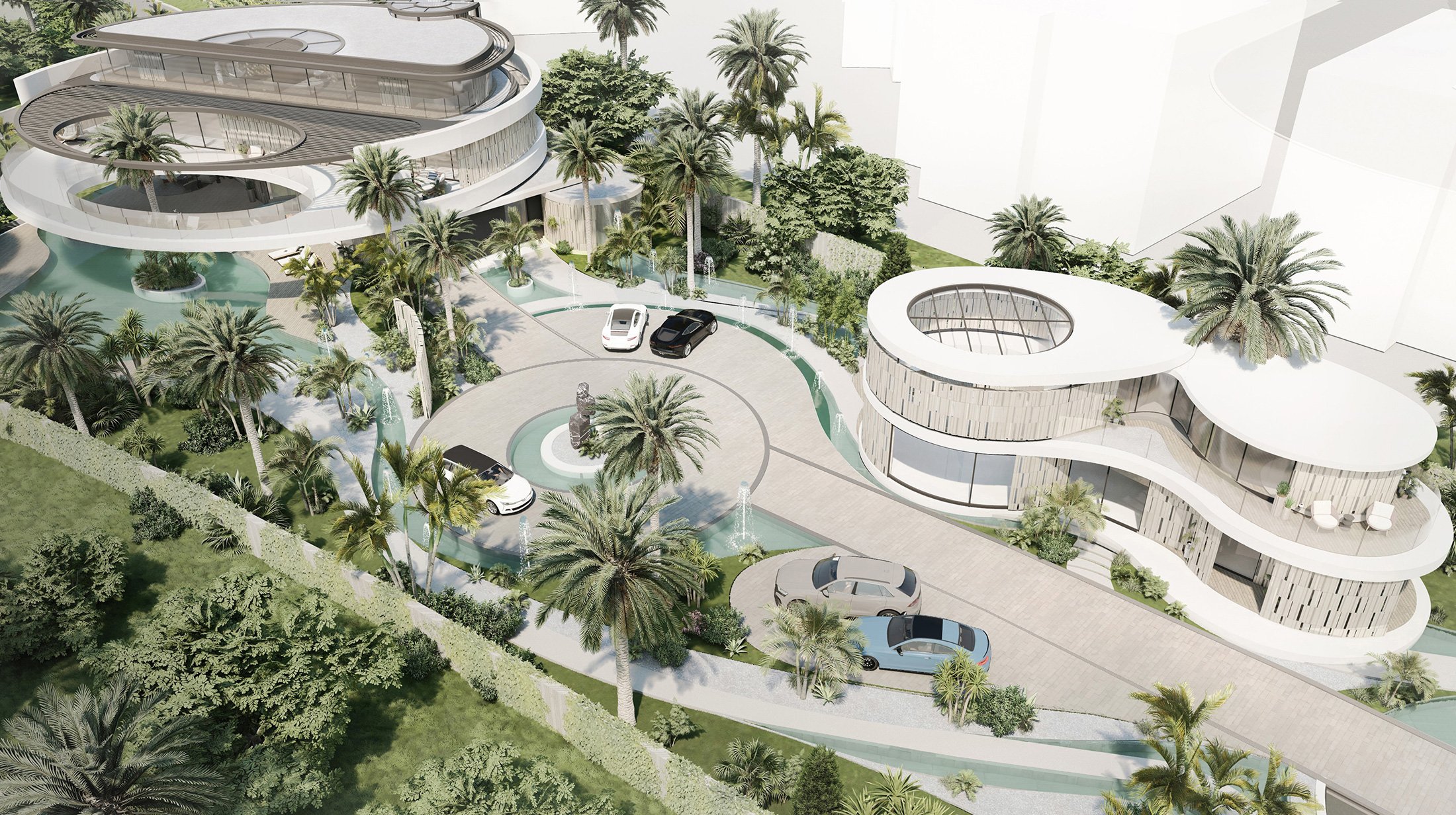
Onimus explores how architecture can respond to scale and a complex site. This residential architecture project stands on a constrained plot along the Côte d’Azur. The building is intentionally larger than what current regulations would normally allow. It contains 518 m² of floor space across four levels on a site of only 613 m². This unusual proportion becomes the starting point for the design, guiding how space, light, and balance are considered throughout the project. Rather than treating the building’s size as a limitation, the design uses it as a way to explore hierarchy, perception, and spatial clarity.
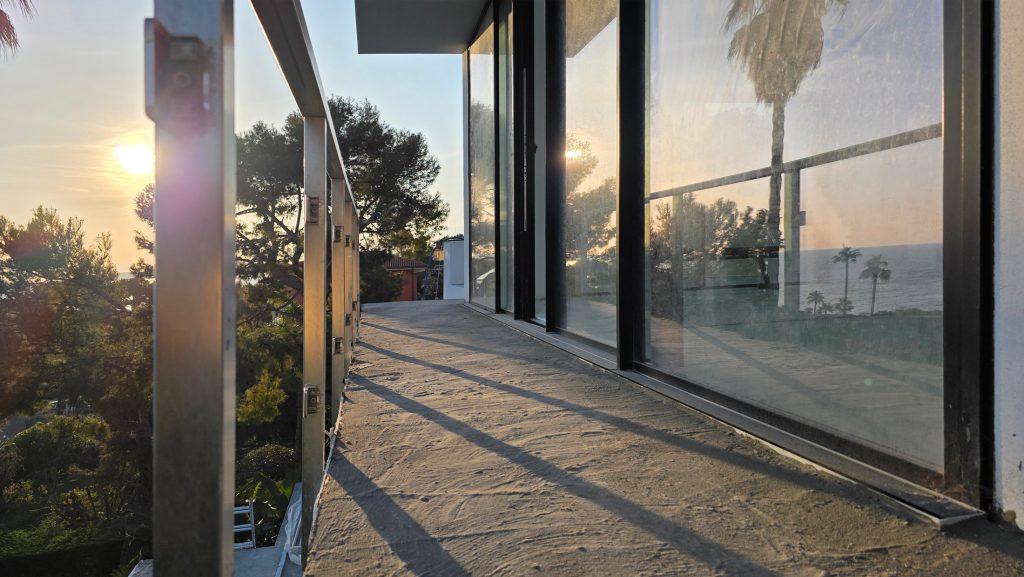
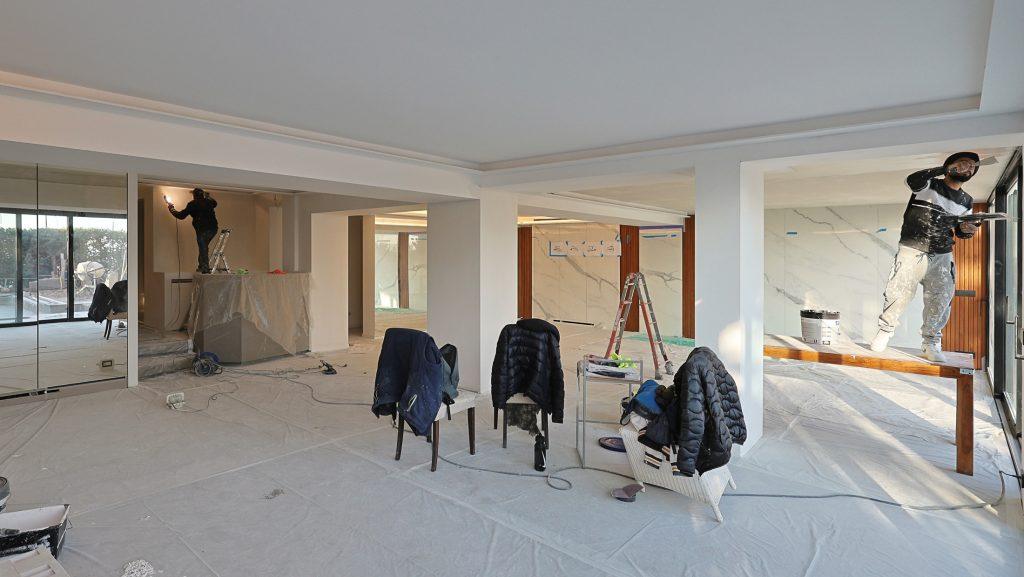
The project functions as an architectural intervention that rethinks how the building is perceived and used. Instead of simply expanding the existing structure, the design adjusts openings, solid surfaces, and the flow of light to bring the scale back to a human level. Joe Aoun’s design approach, known as plein et lumière, focuses on the relationship between mass and light. Through this method, the boundaries between interior and exterior are softened, creating seamless indoor-outdoor living. Vegetation and mineral surfaces are carefully placed across each level so that natural and built elements remain in constant dialogue.
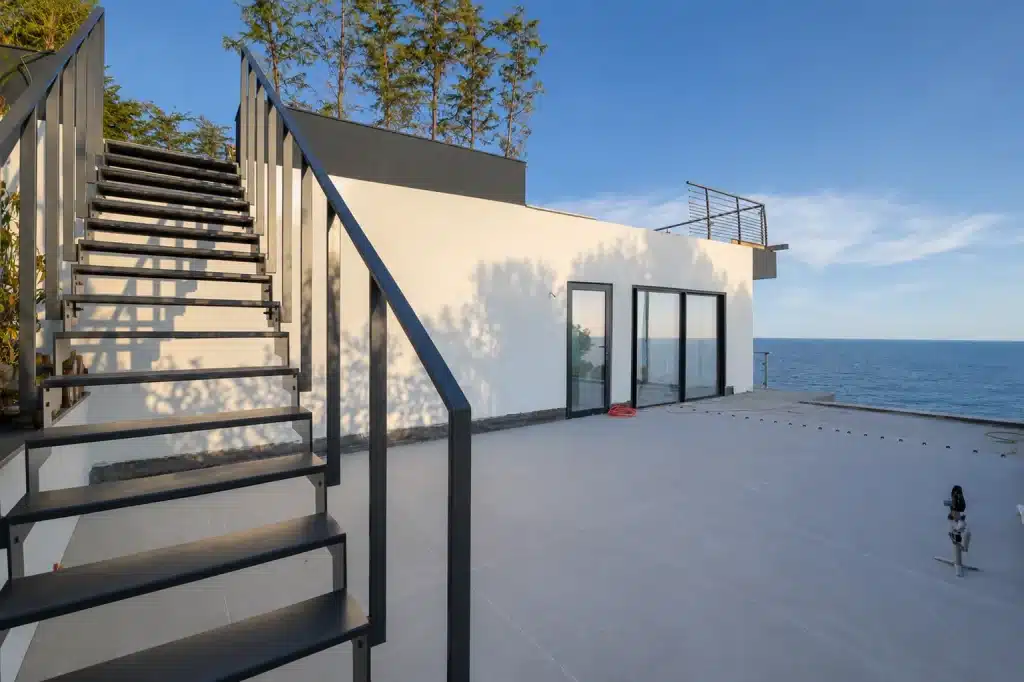
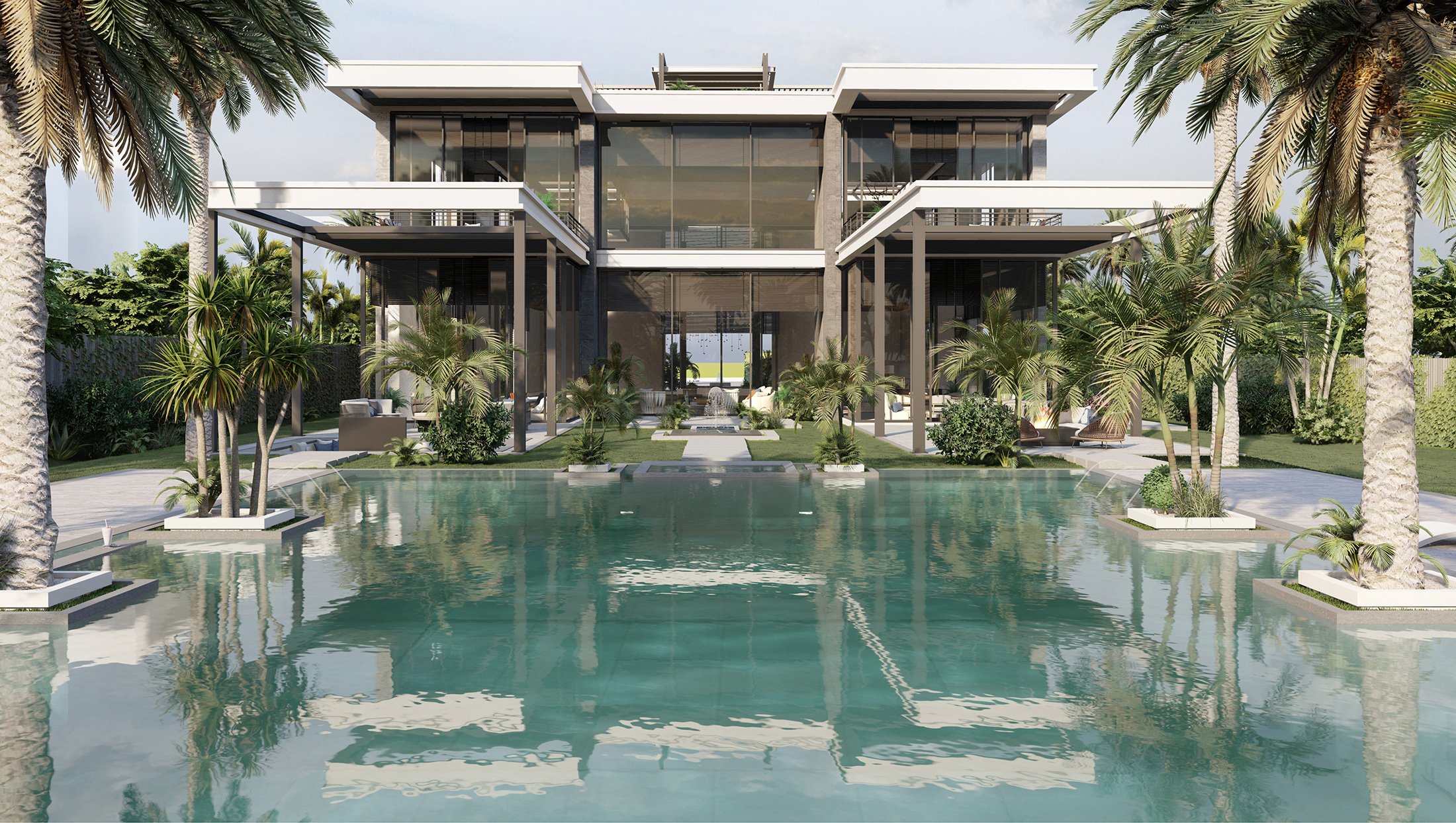
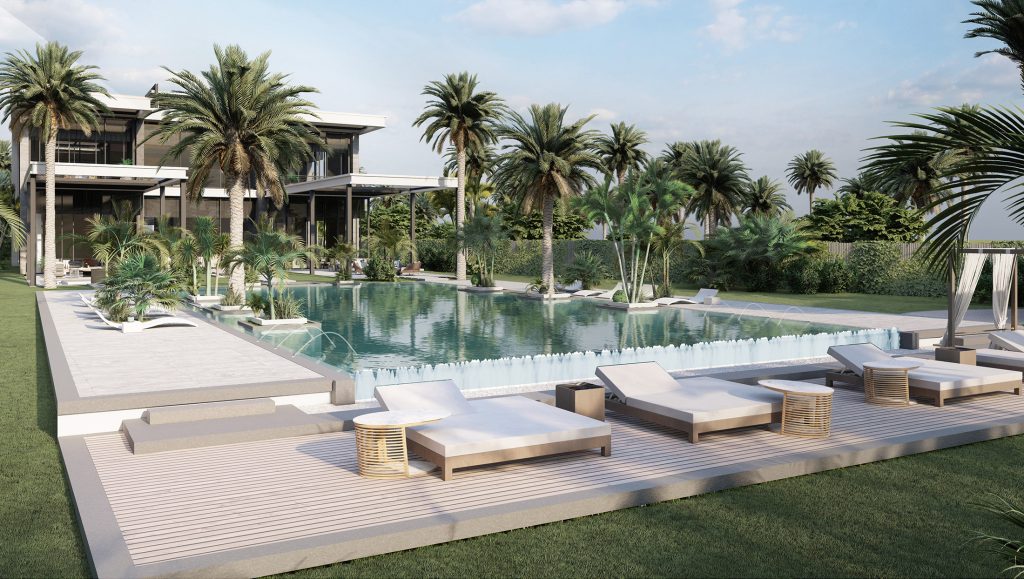
Key elements such as the roof terrace, wide glazed bays, swimming pool, and a rediscovered in-ground pond shape the way the spaces are experienced. These features are not only amenities but also tools that guide views, circulation, and visual connections throughout the property. They link the interior spaces with the surrounding landscape, allowing movement through the house to feel open and continuous while still maintaining clear spatial organization.
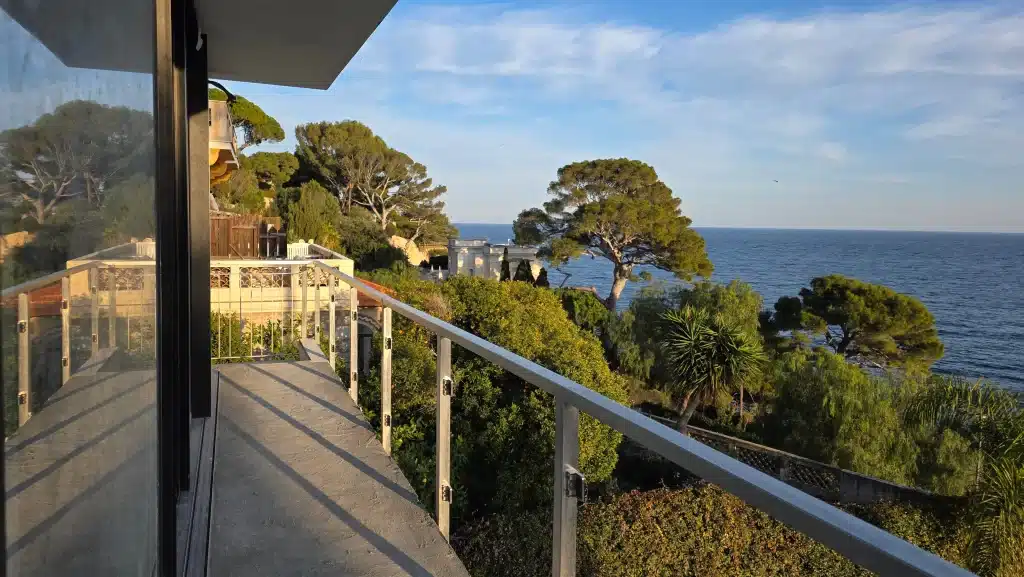
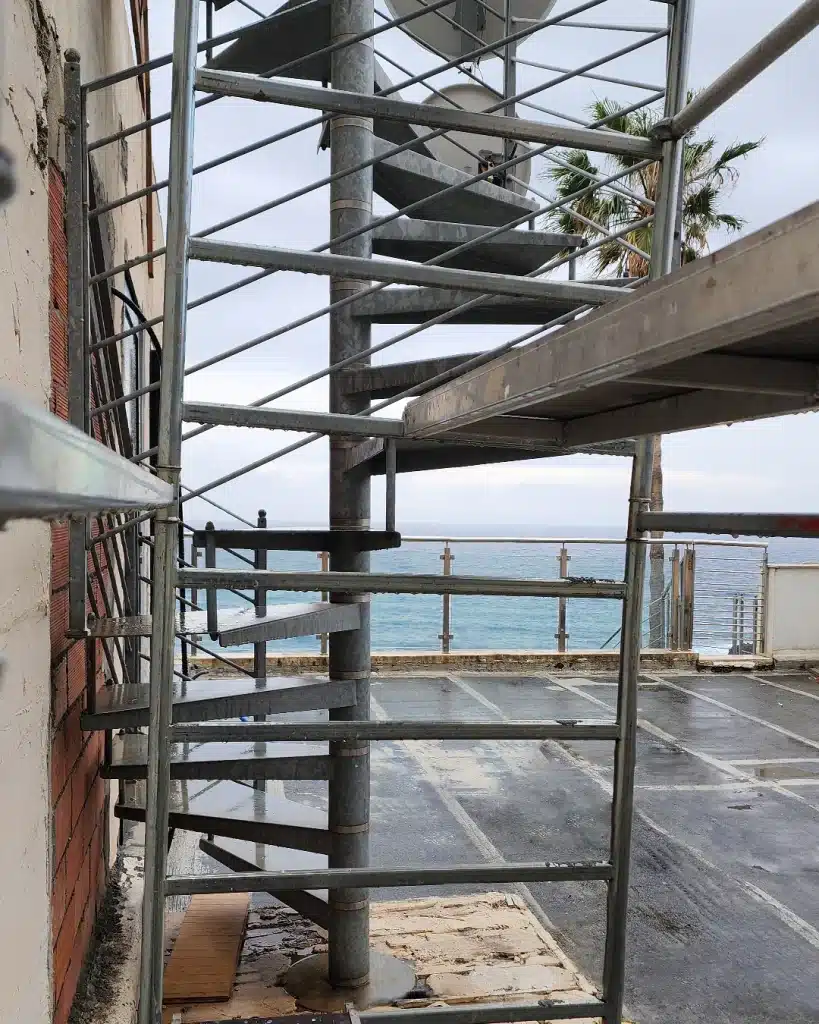
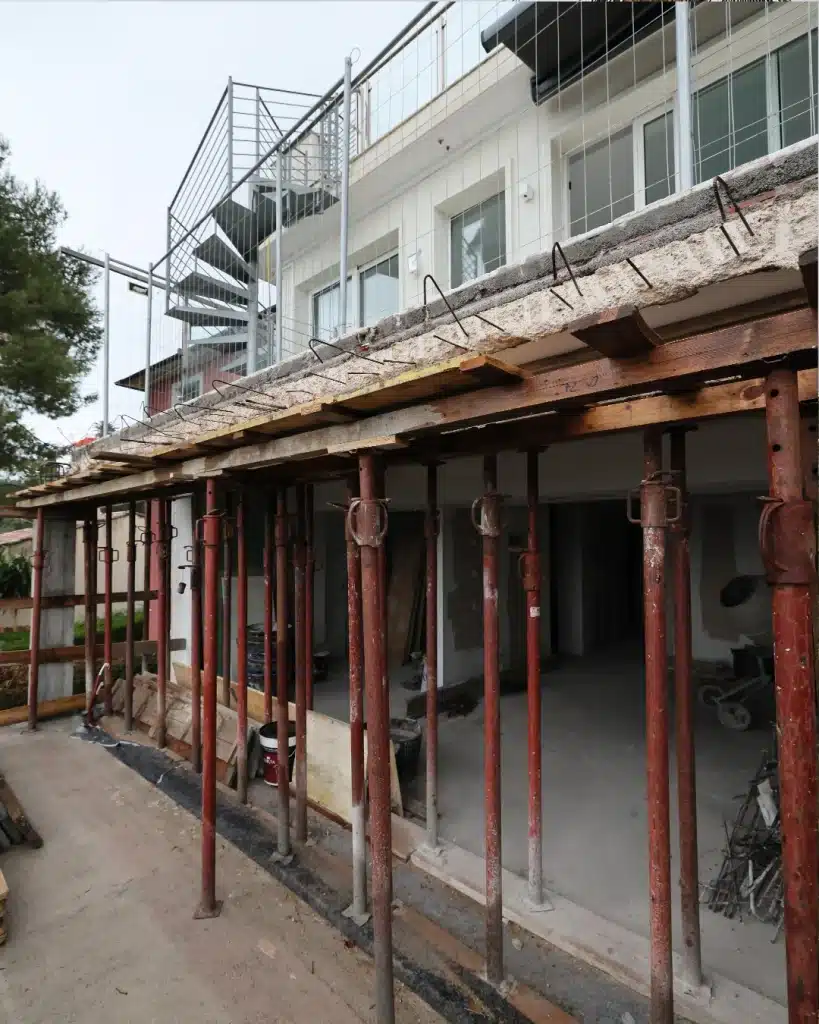
The project also required careful coordination with regulatory authorities. It was presented five times to the ABF, leading to several measured adjustments. These included the restoration of entrances, improved parking organization, and the redesign of staircases alongside precise façade restoration. Each technical decision was integrated into the overall concept so that regulatory requirements supported rather than weakened the architectural logic.
Onimus ultimately explores the relationship between excess and control. Its oversized character is not intended as spectacle but as a way to test the limits of site, light, and material expression. The project demonstrates how thoughtful design can transform a challenging structure into a coherent and livable environment. By balancing vegetation, mineral surfaces, interior spaces, and exterior views, the architecture becomes both monumental and intimate, closely connected to the topography it occupies.