Nice

Living Architecture on the Mediterranean Edge

A Corten Envelope in Dialogue with the Landscape
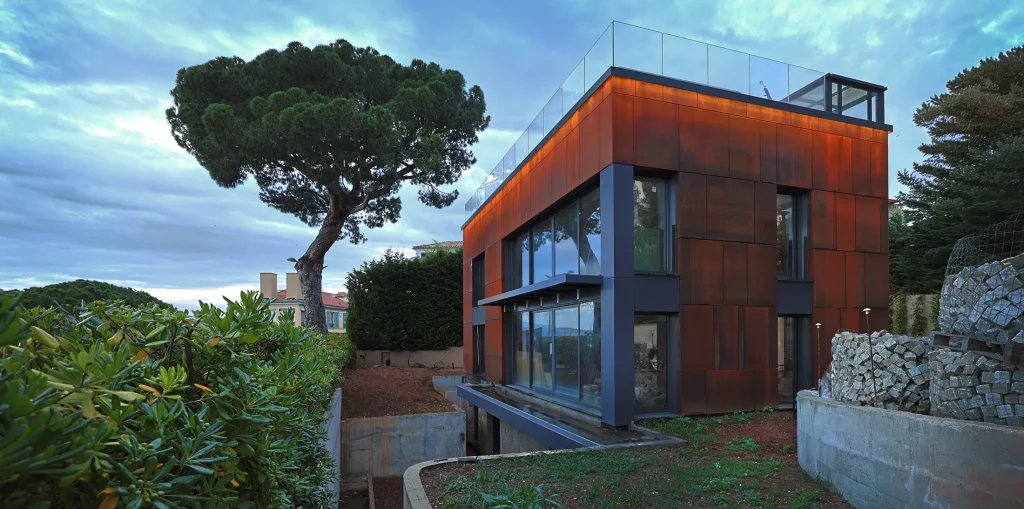
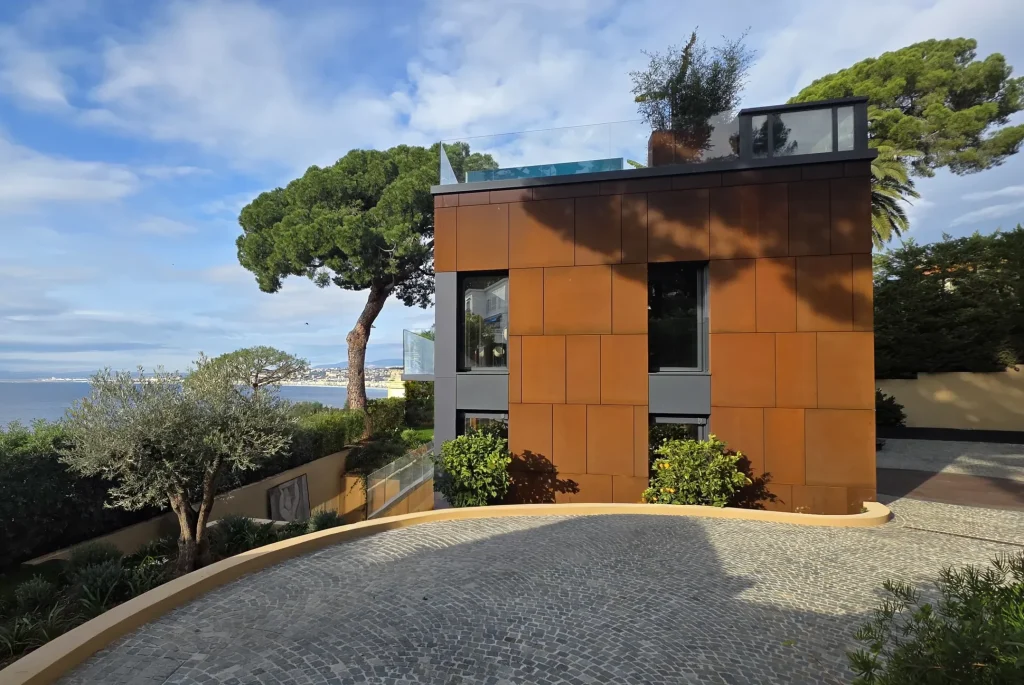
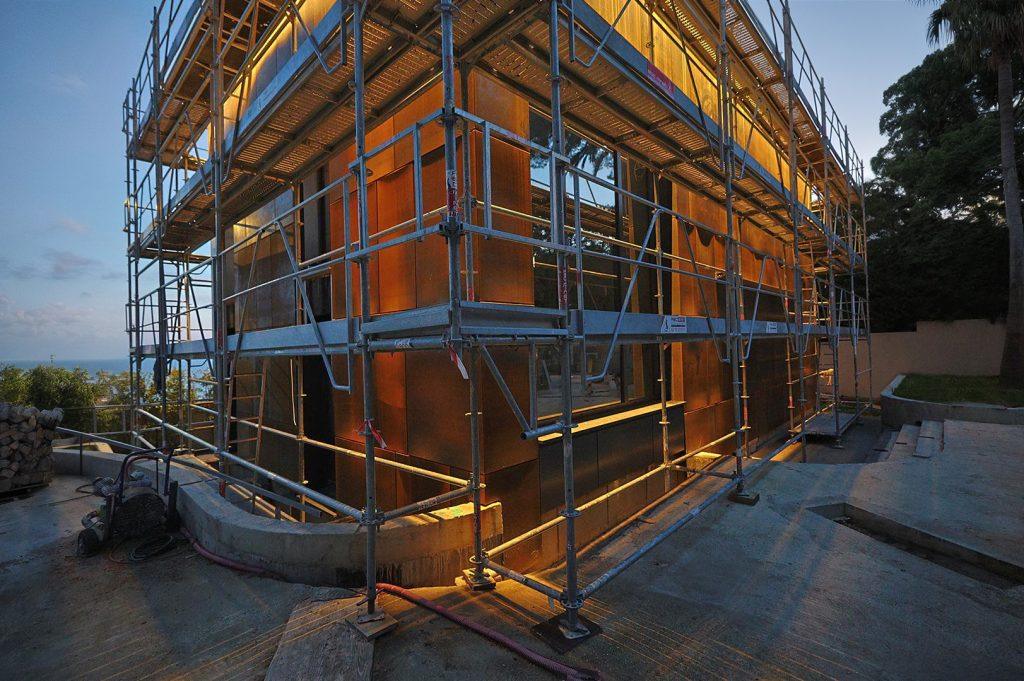
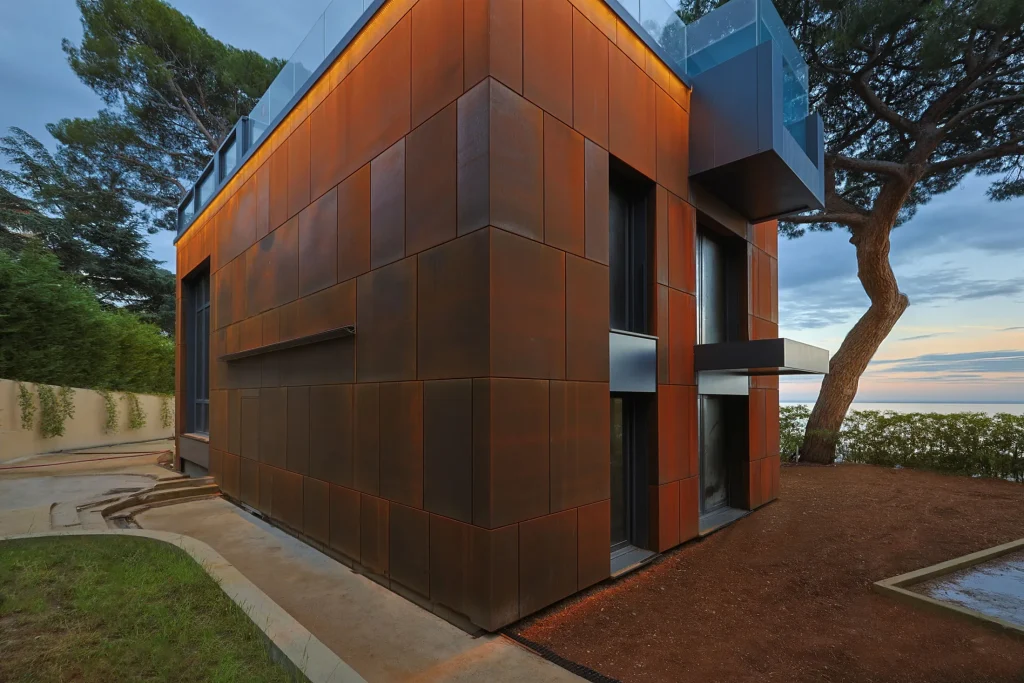
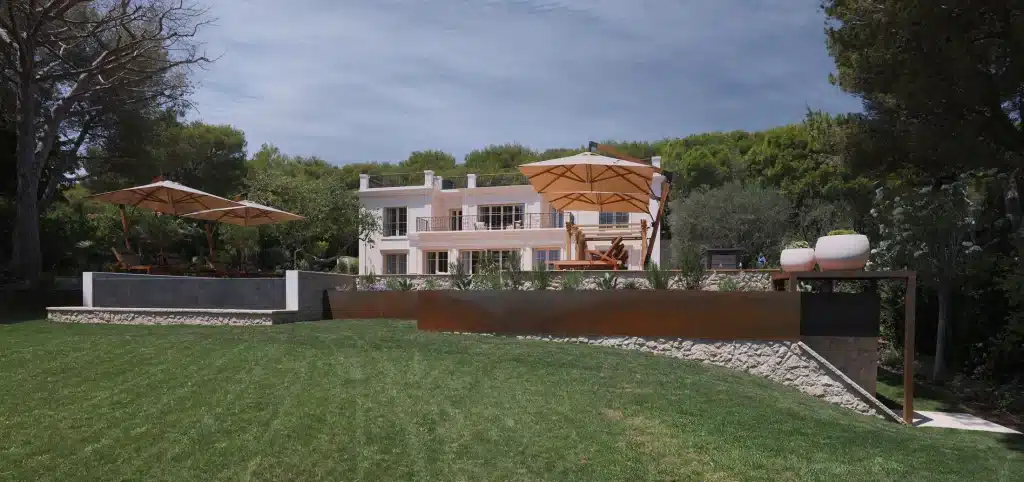
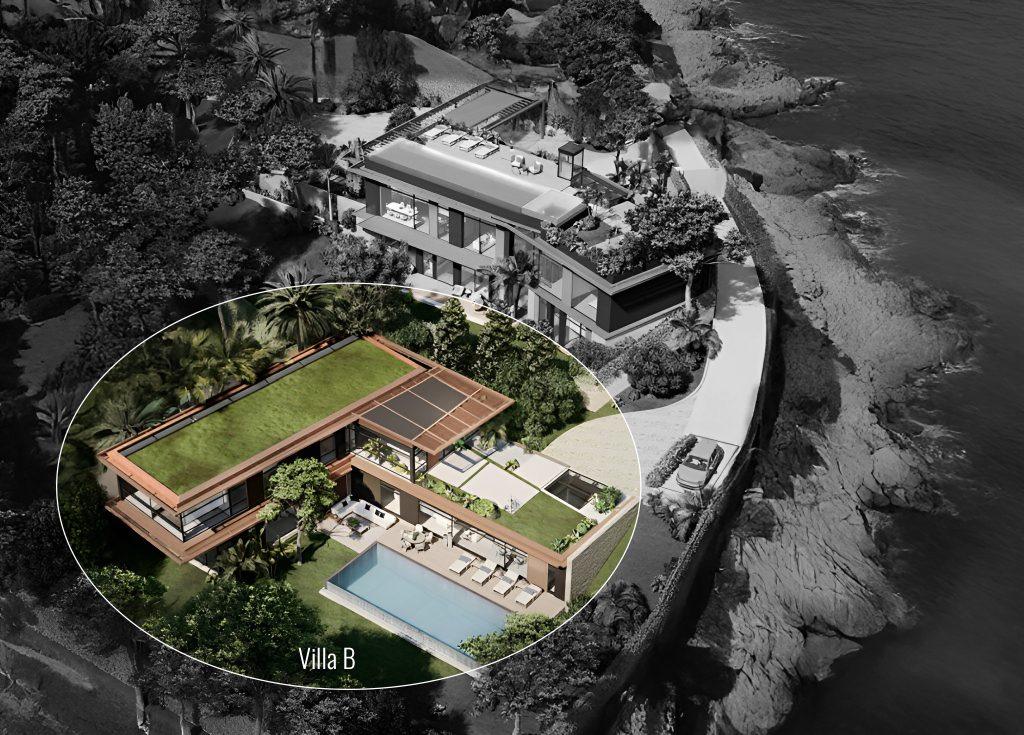
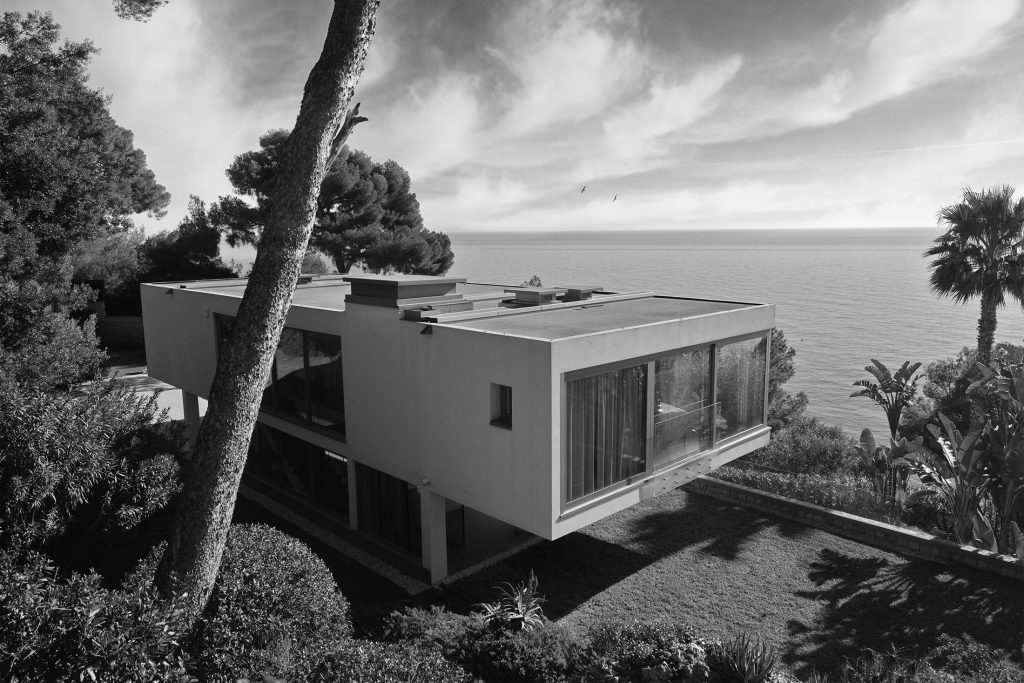
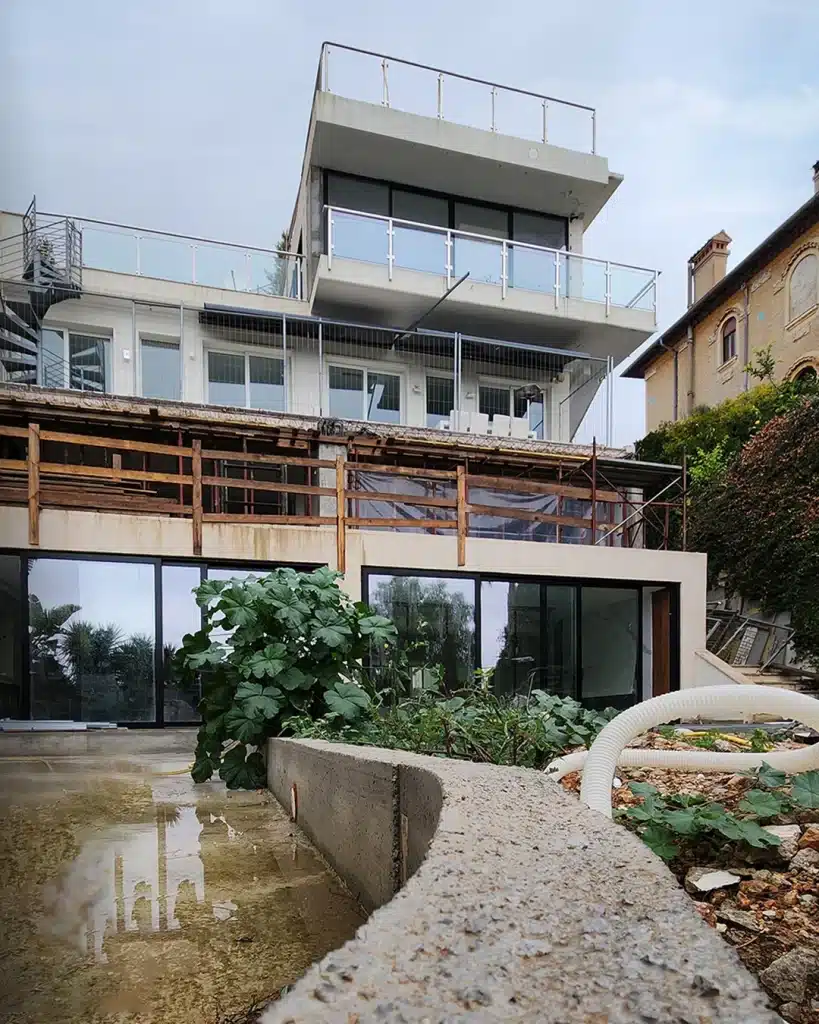
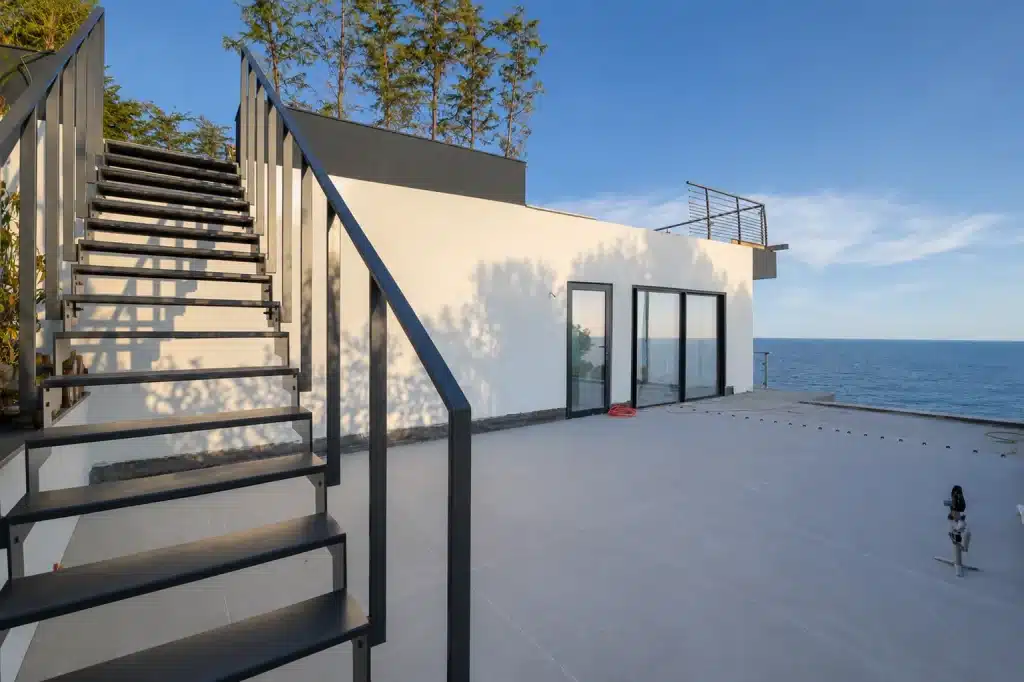
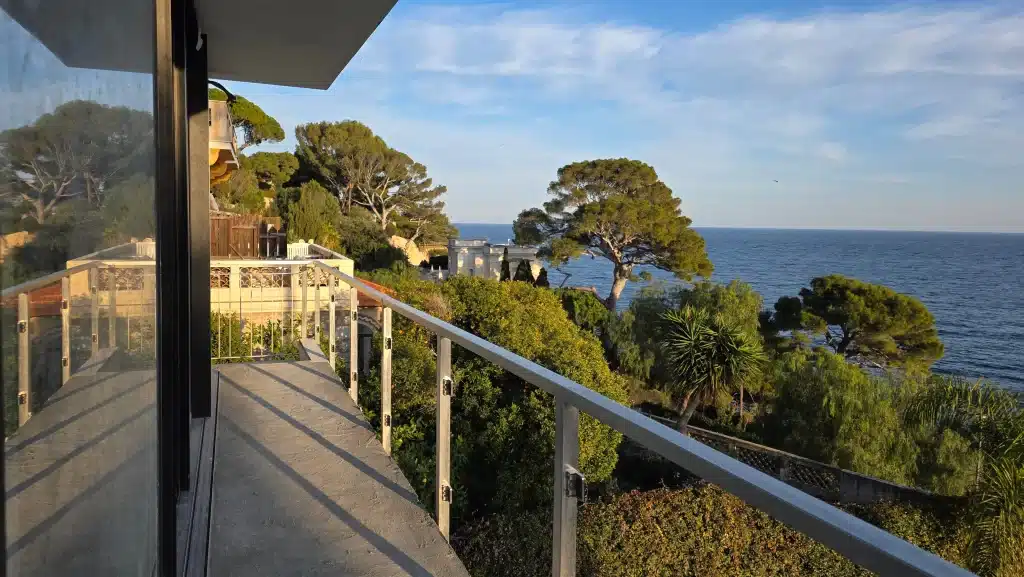
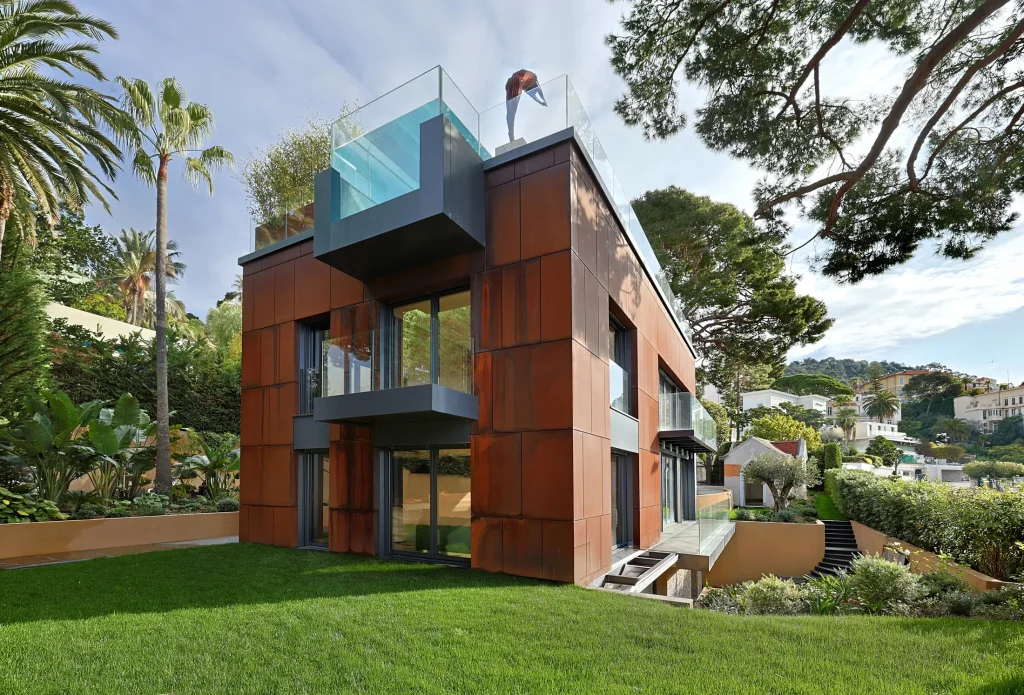
Located on the slopes of Mont Boron along Boulevard Carnot in Nice, the villa overlooks the Mediterranean with sweeping views toward the port lighthouse and the coastline beyond. Its architecture is defined by a corten steel envelope that wraps the house in a warm, mineral skin. Unlike static materials, corten evolves over time, changing with the Riviera’s shifting light, rain, and sea air. The building constantly transforms with its environment.

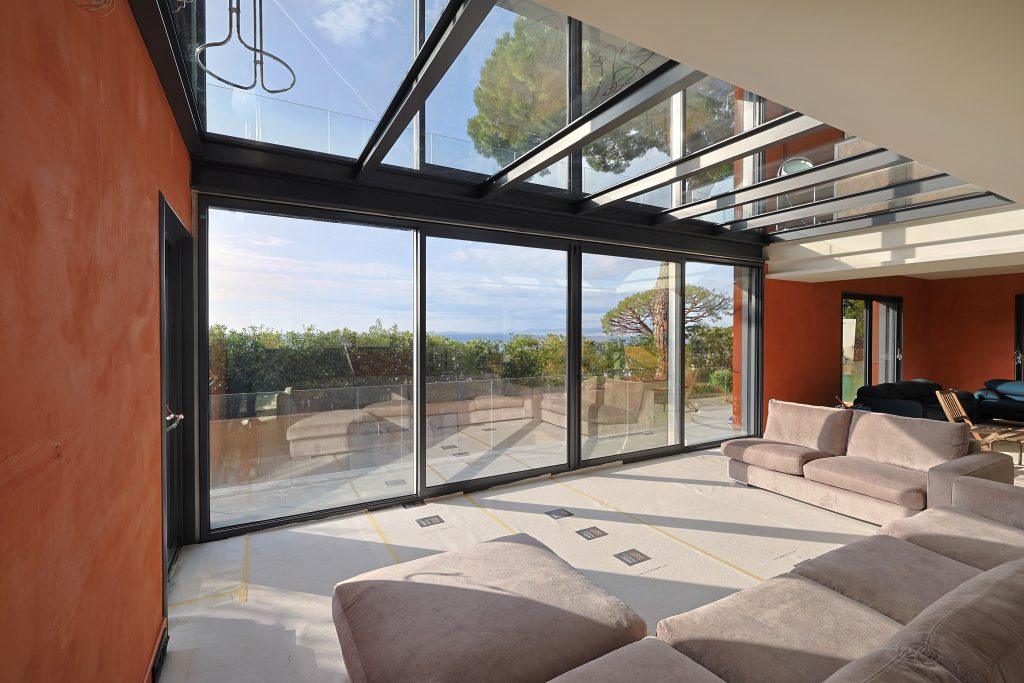
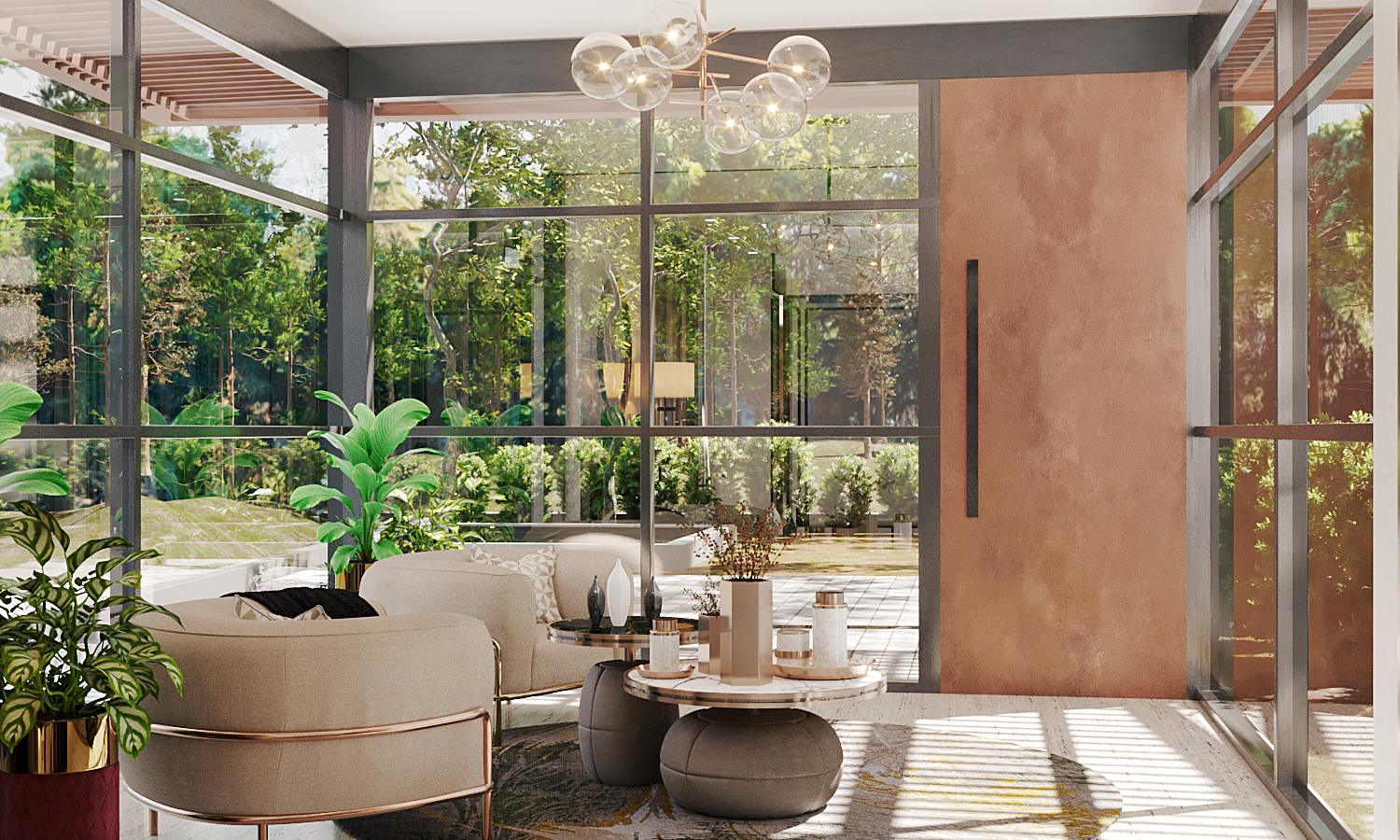
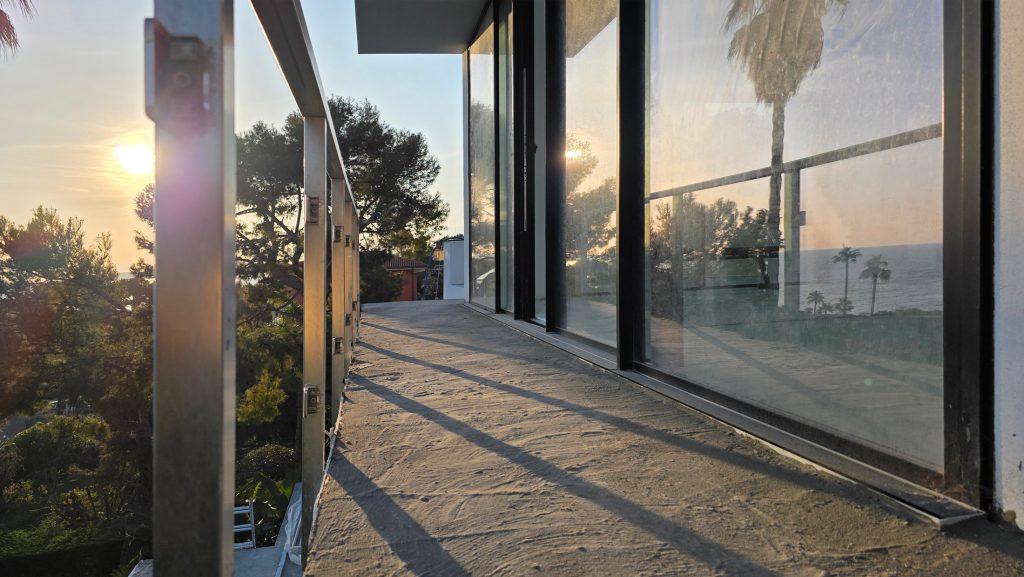
The metallic shell contrasts with large glazed openings that frame the sea and landscape. This dialogue between weight and transparency shapes the architectural identity of the house.

Transparency and Vertical Connection
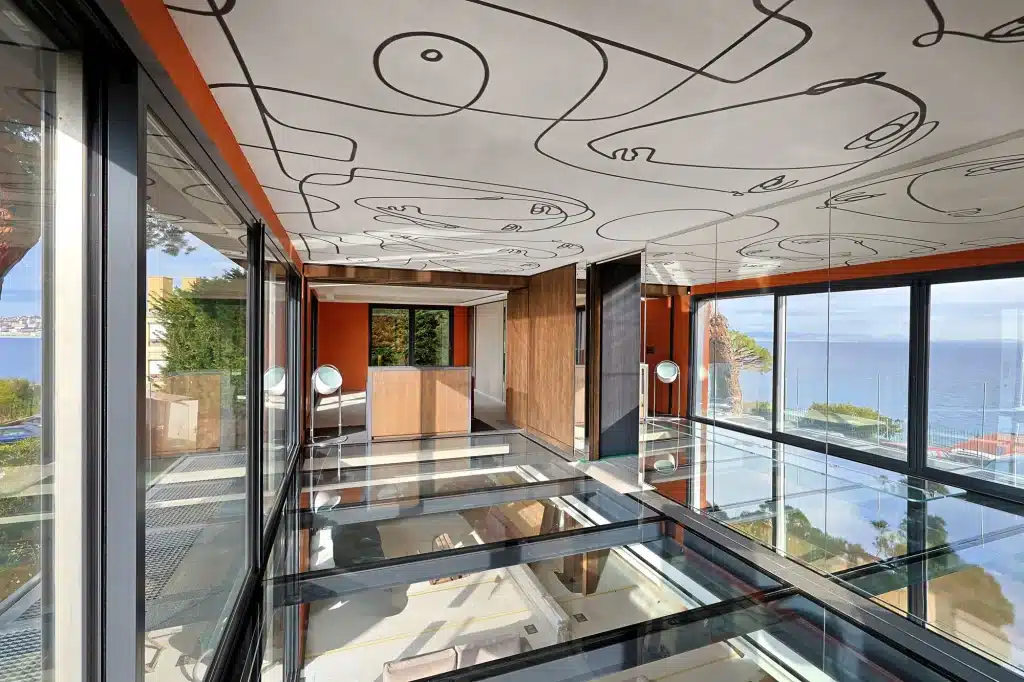
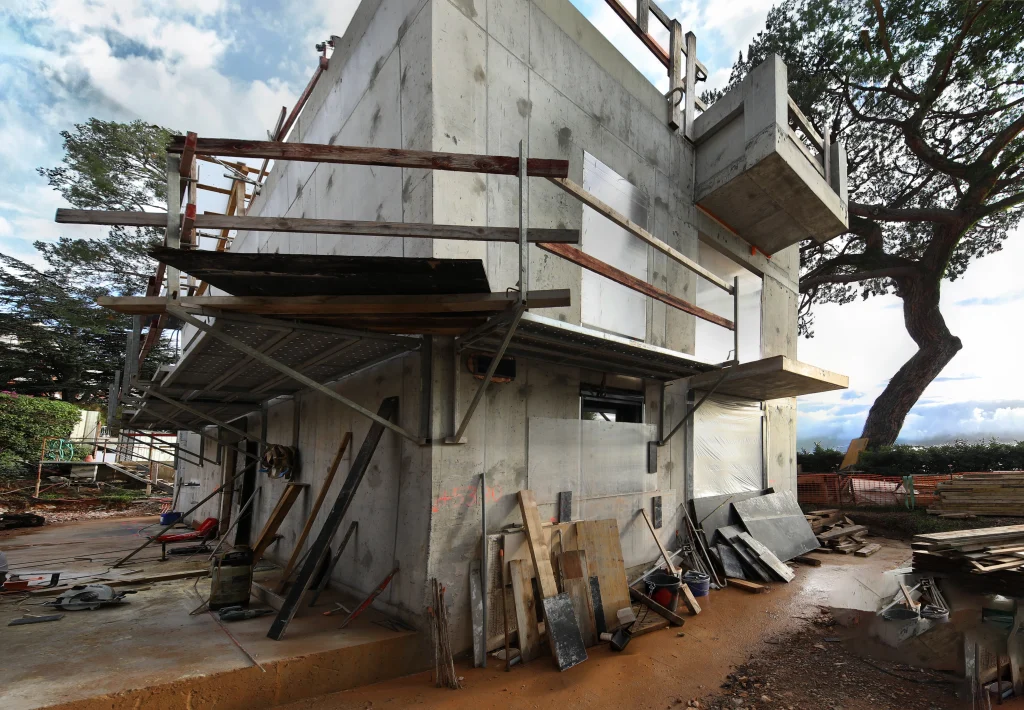
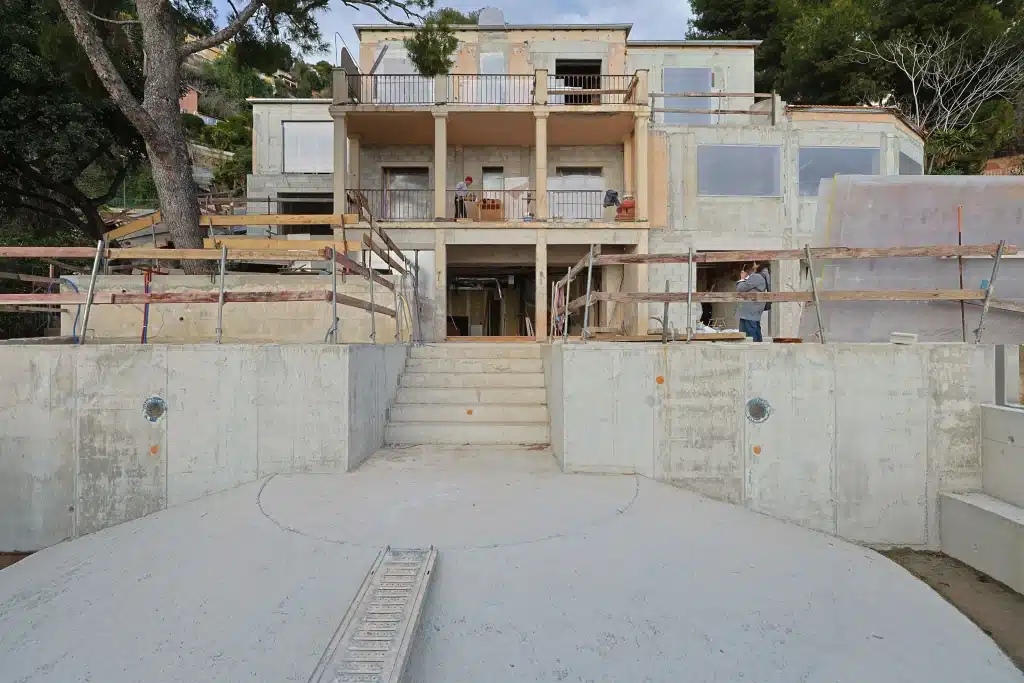
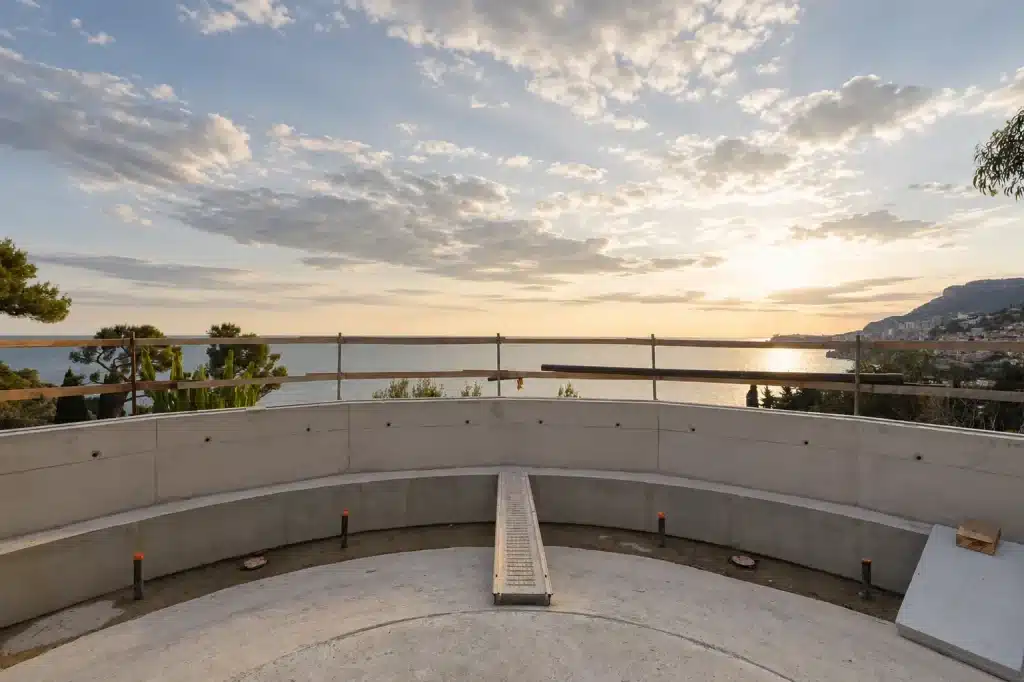
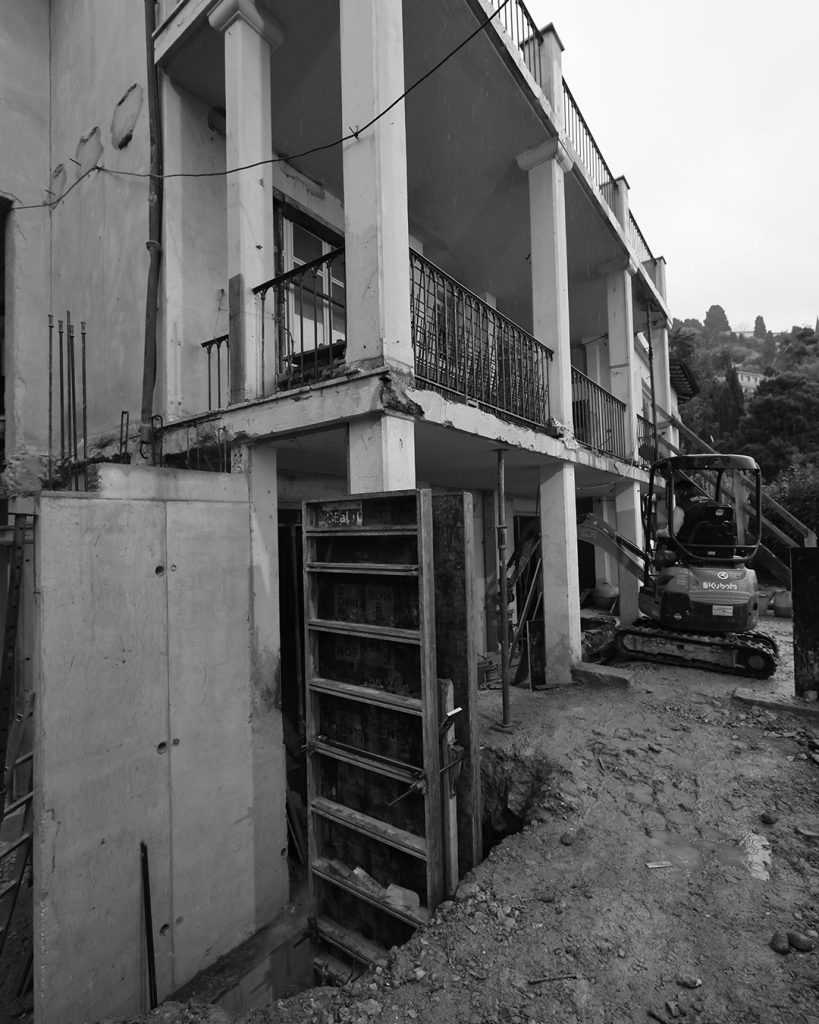
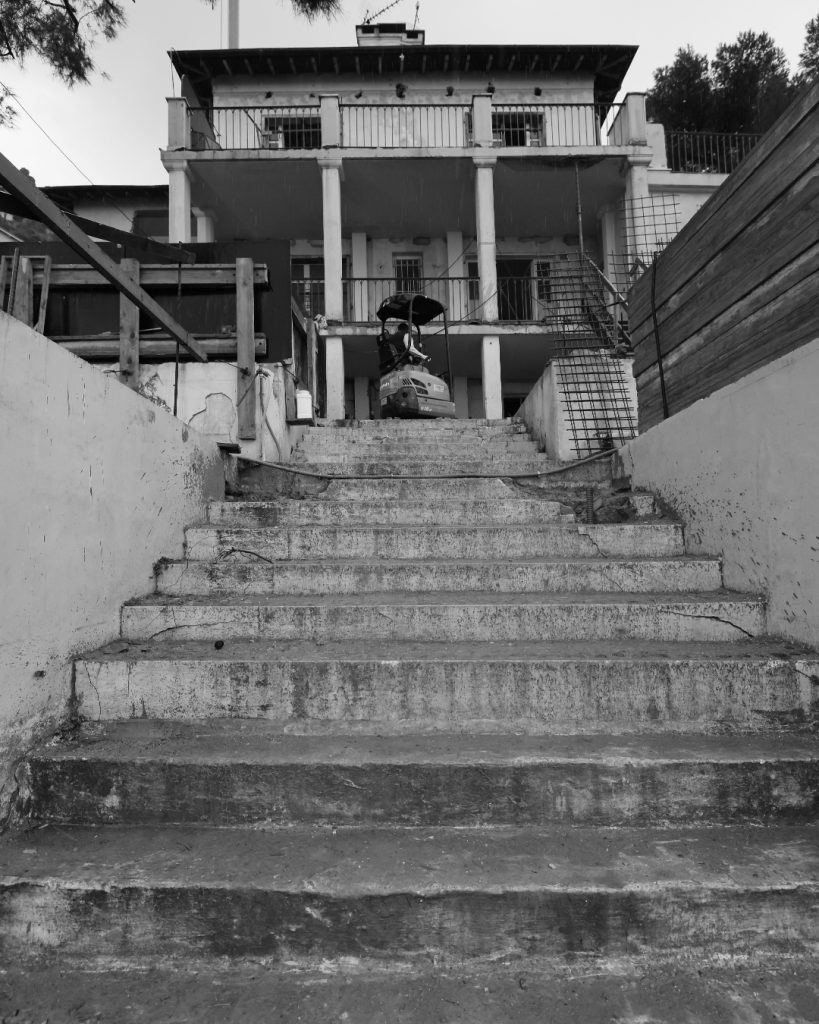
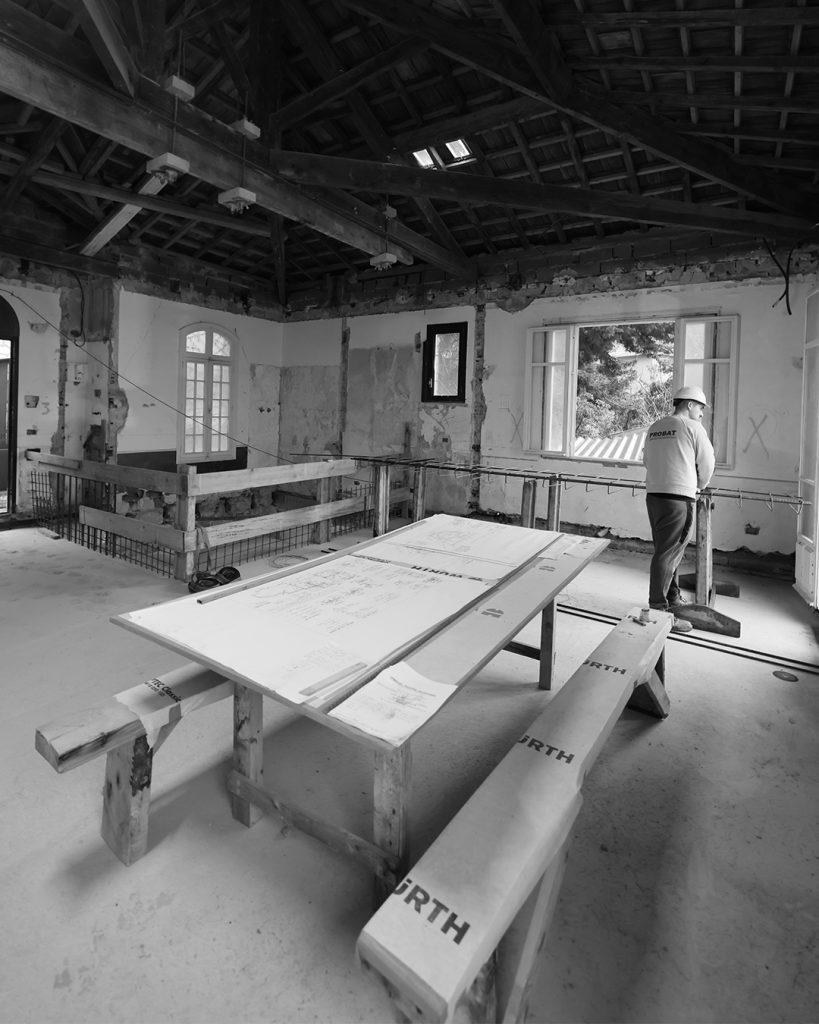
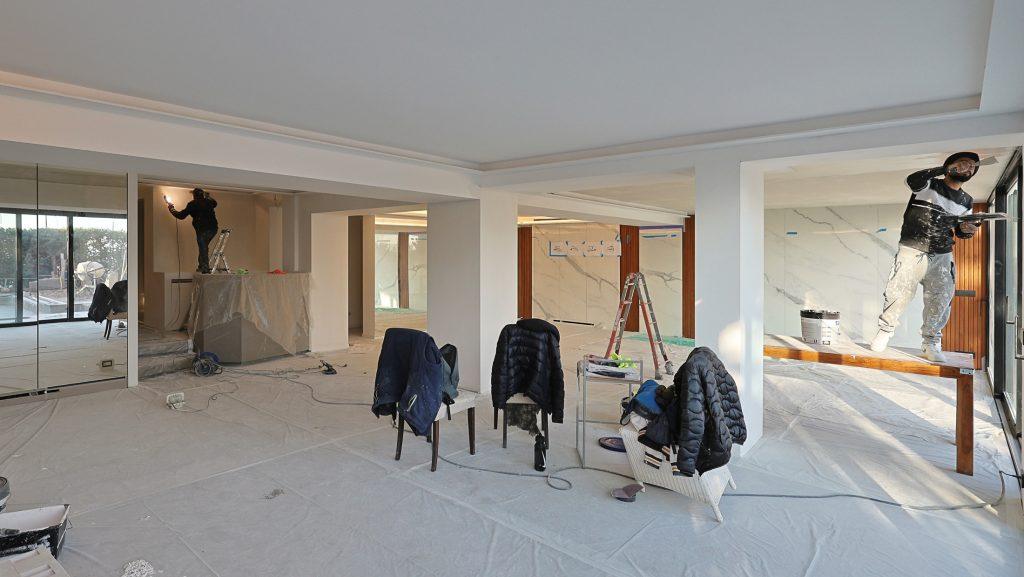
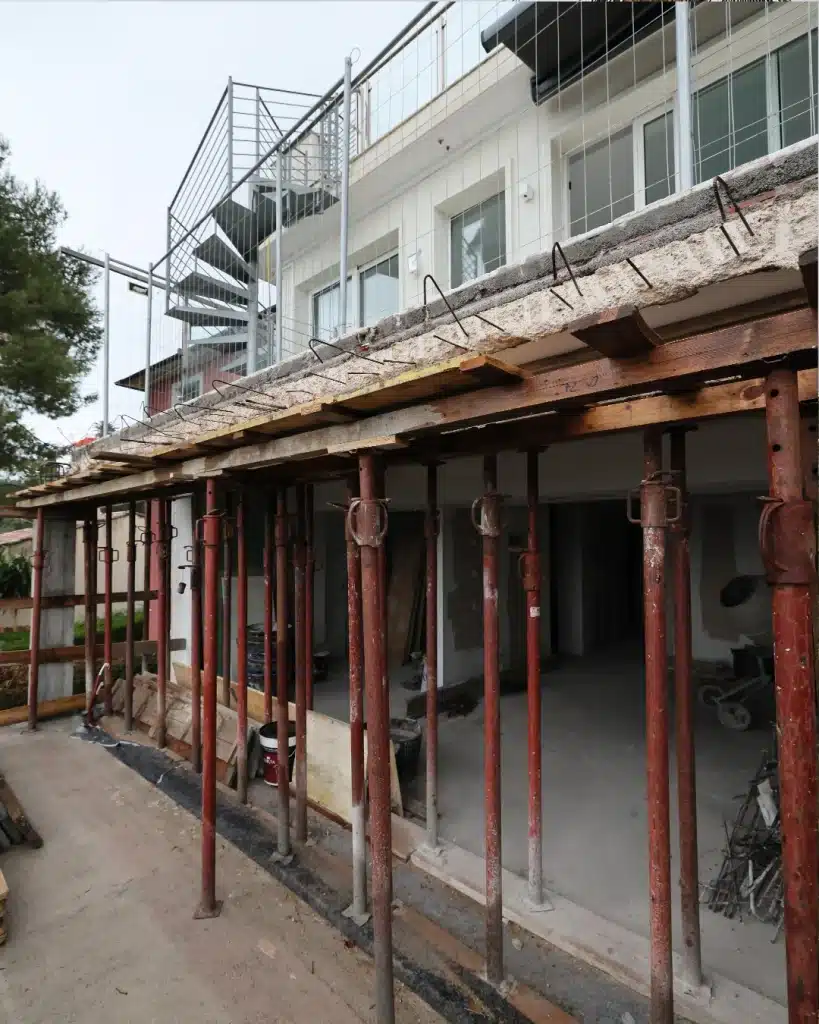
During construction, an unexpected moment reshaped the design. While the upper floor was still unfinished, a temporary platform revealed an extraordinary perspective across the landscape. Rather than losing this view, the project evolved to include a glass floor suspended between the living room and the main bedroom.

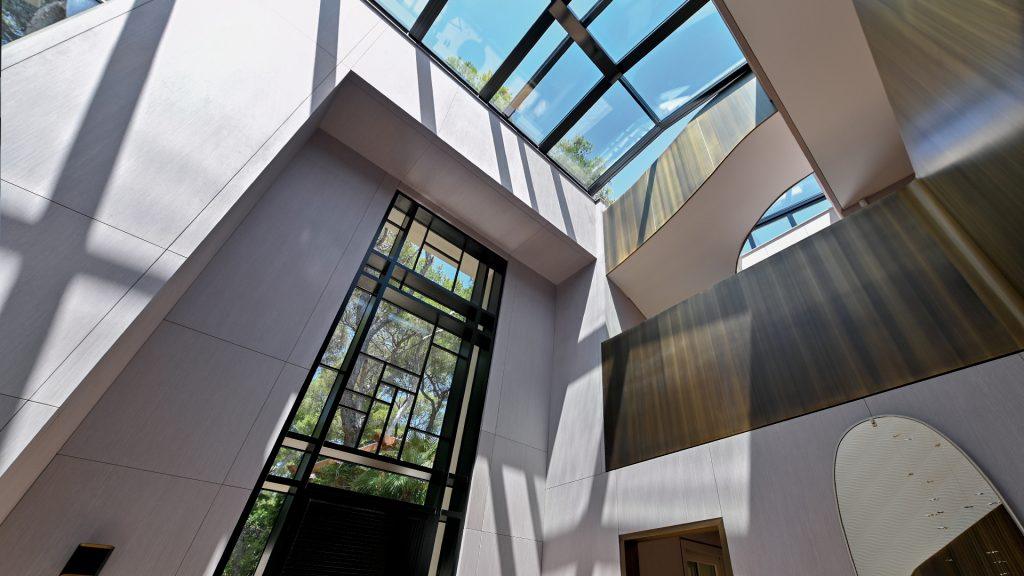
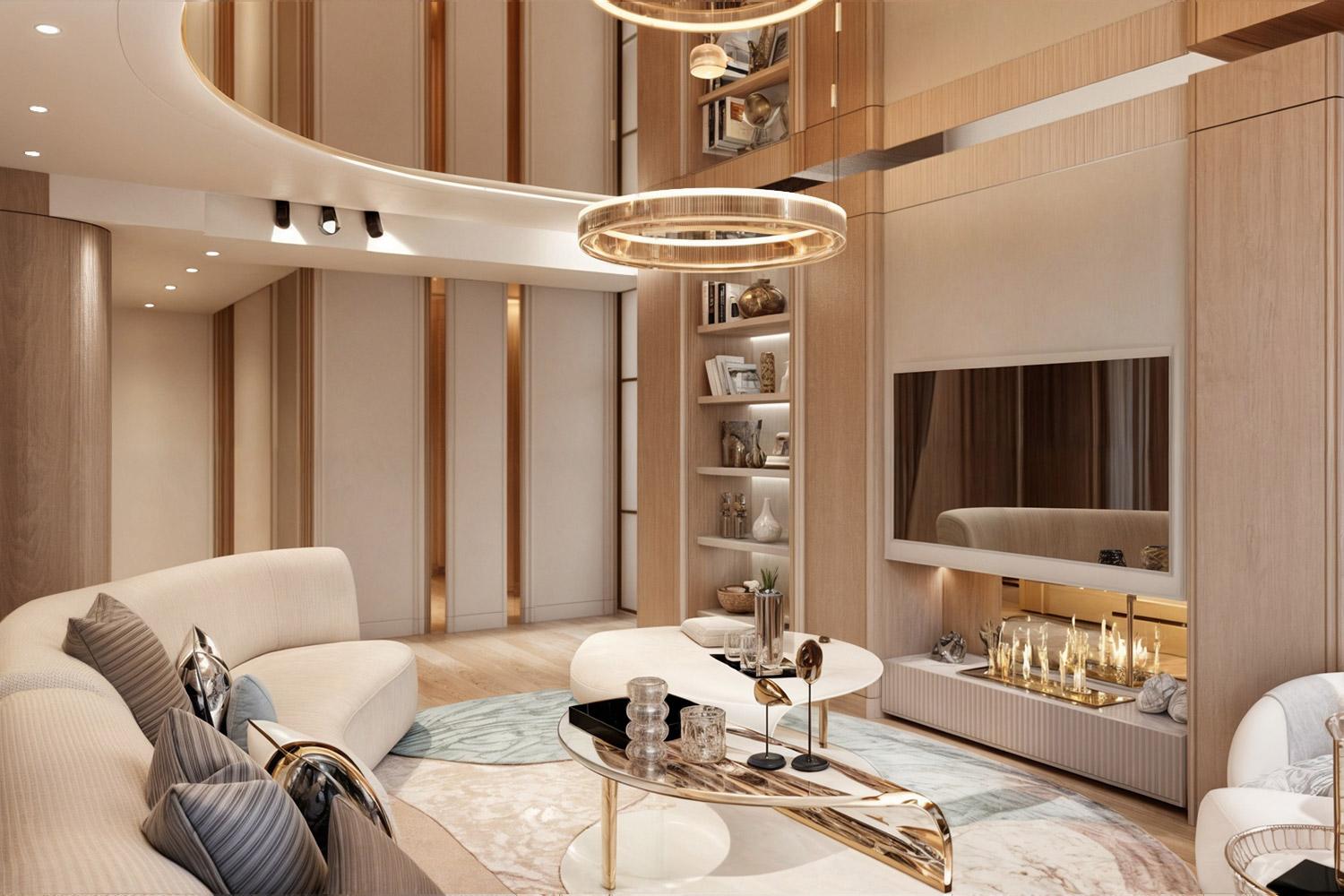
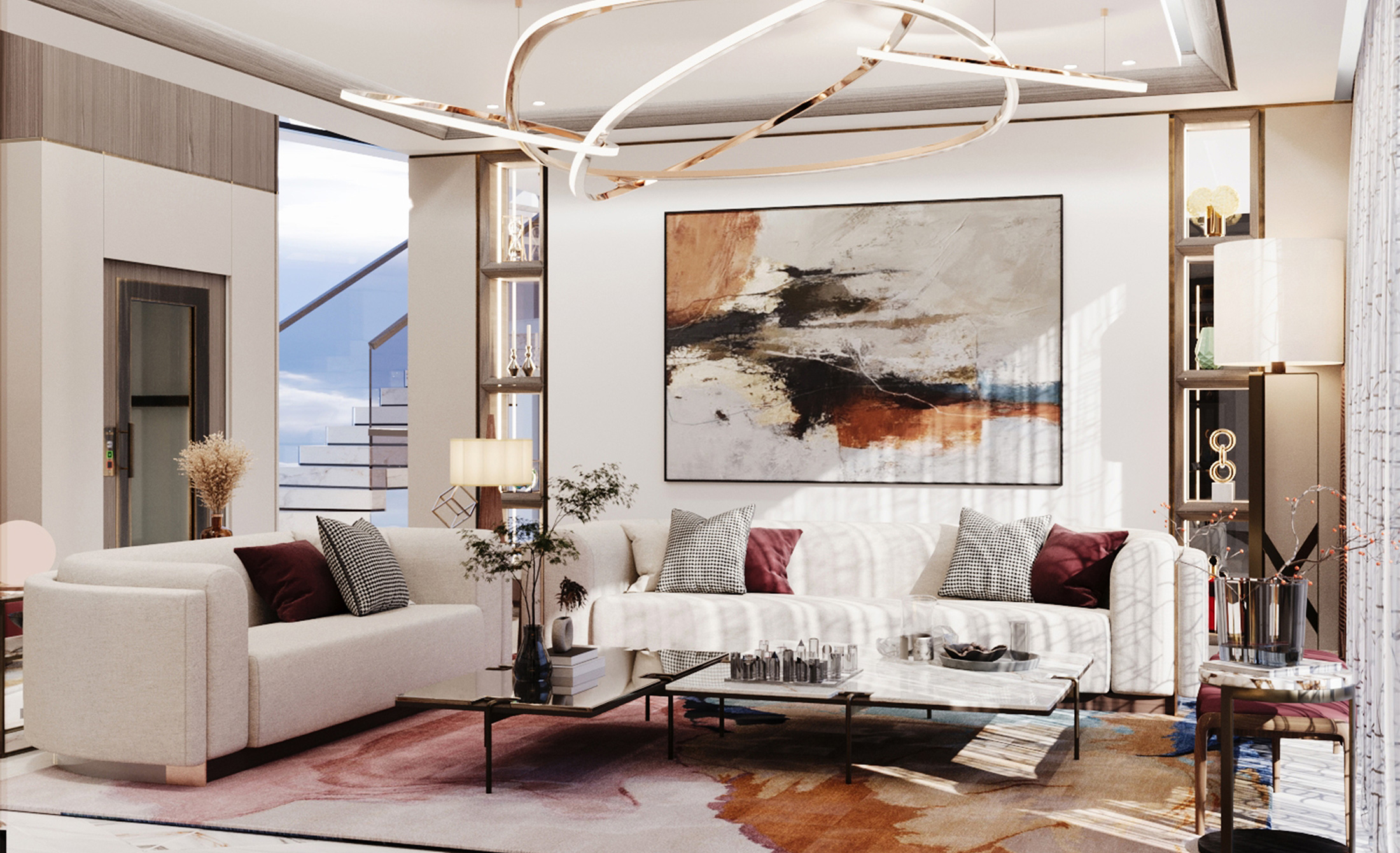
This transparent surface preserves the original double-height space while establishing a strong visual link between levels. Mirrors and a ceiling fresco extend the visual perspective of the space, amplifying the surrounding panorama and creating the sensation of being immersed within the landscape itself.

Spaces Oriented Toward the Horizon
The organization of the villa follows a vertical sequence shaped by the Mediterranean panorama. The main living spaces, including the living room and dining area, occupy the principal level and open widely toward the sea. Above, the master suite and its adjoining office are positioned on the upper floor, where the glass walkway captures an even broader perspective of the coastline.

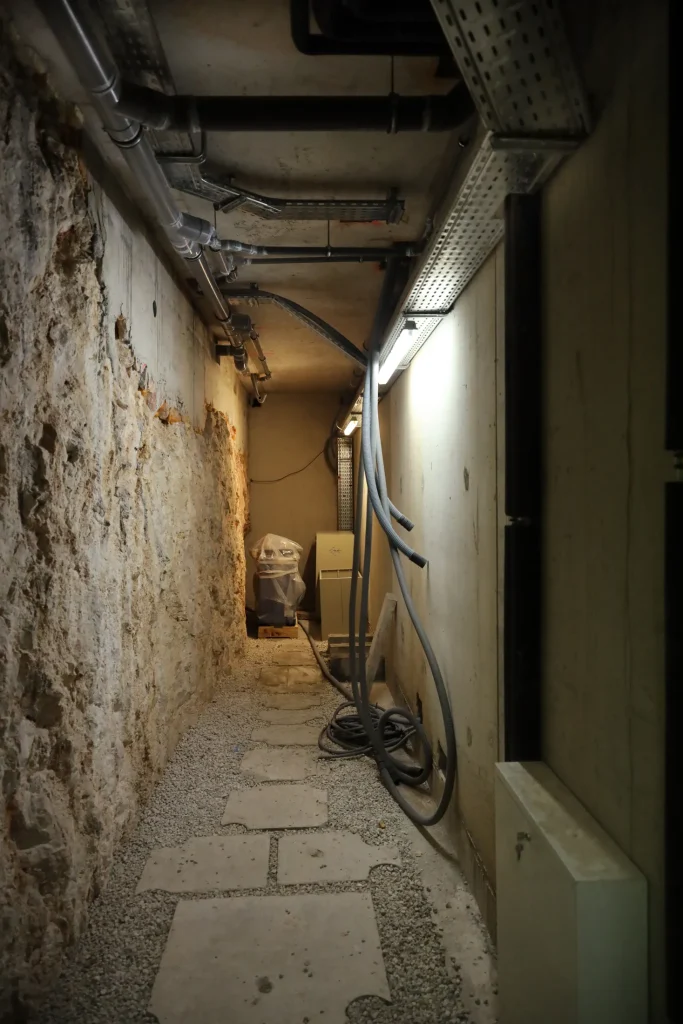
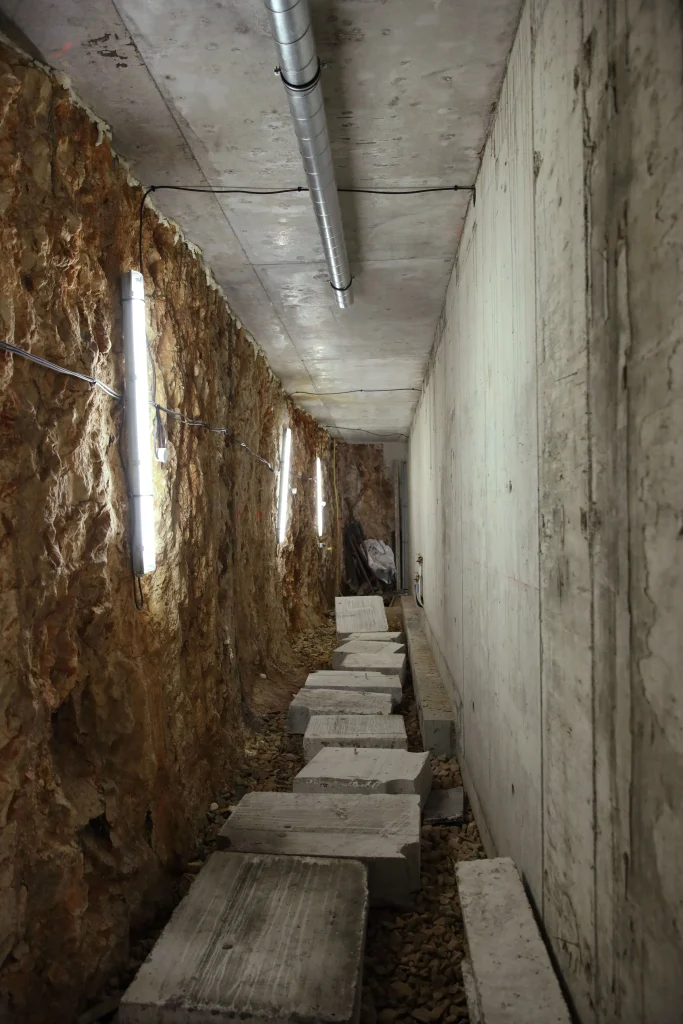
Below, the garden level contains three guest bedrooms opening onto terraces and landscaped areas, while the basement integrates a cinema room, gym, spa, and technical facilities.

Despite the extensive openness toward the sea, privacy is carefully orchestrated throughout the house. Sliding screens, adjustable shutters, and integrated blinds allow spaces to shift easily between openness and discretion, ensuring both panoramic views and complete intimacy when required

The Roof Terrace as a Fifth Façade

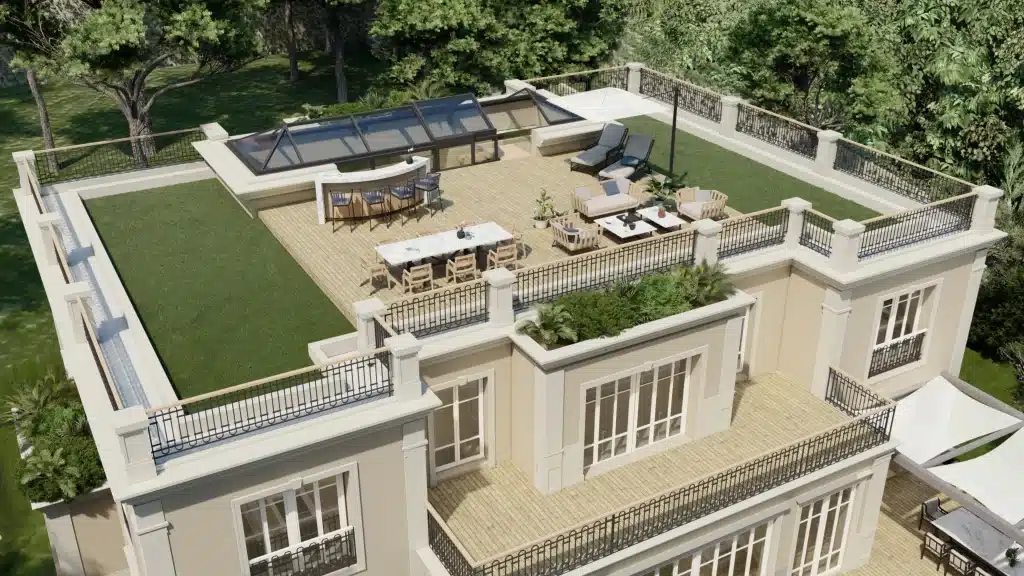
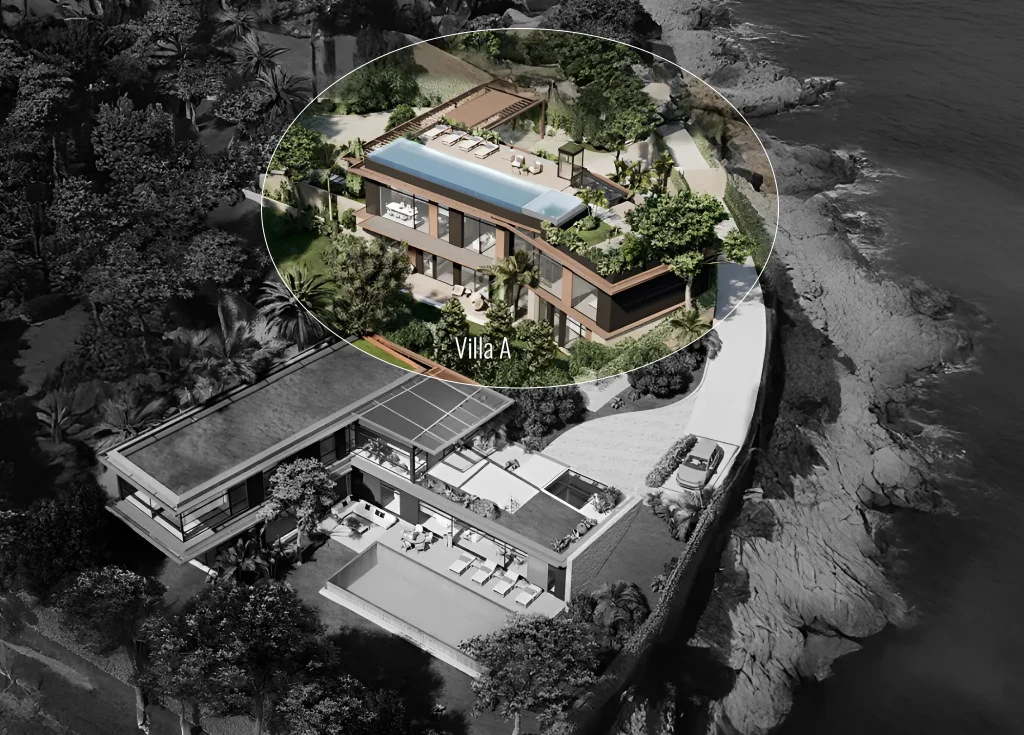
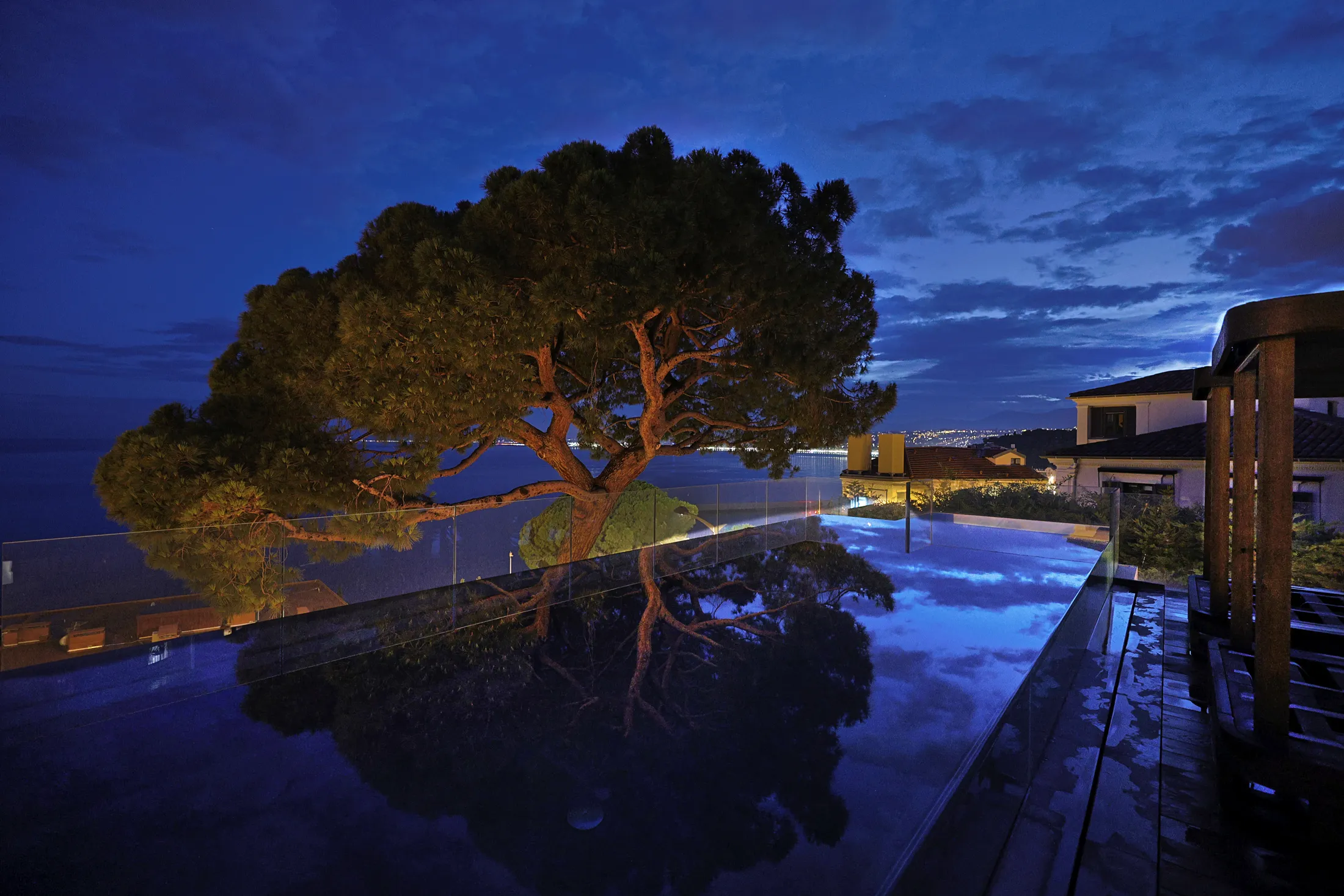
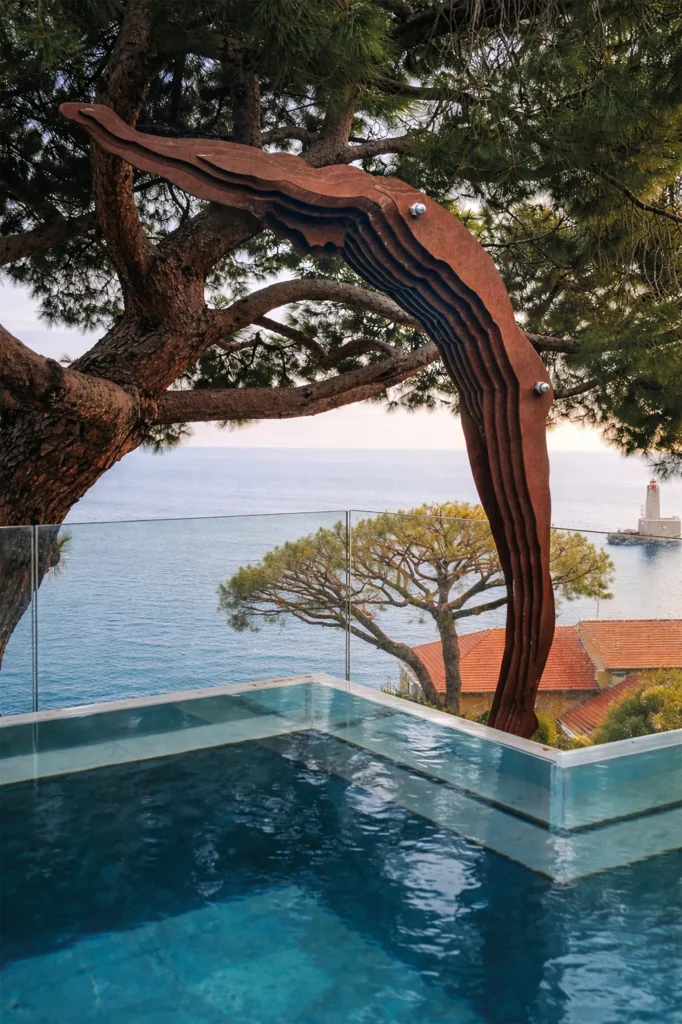
To preserve the limited green areas of the plot, the swimming pool was positioned on the roof terrace. This decision transforms the roof into an architectural landscape. The glass-sided pool allows water to remain visible from outside while maintaining generous interior ceiling heights below.

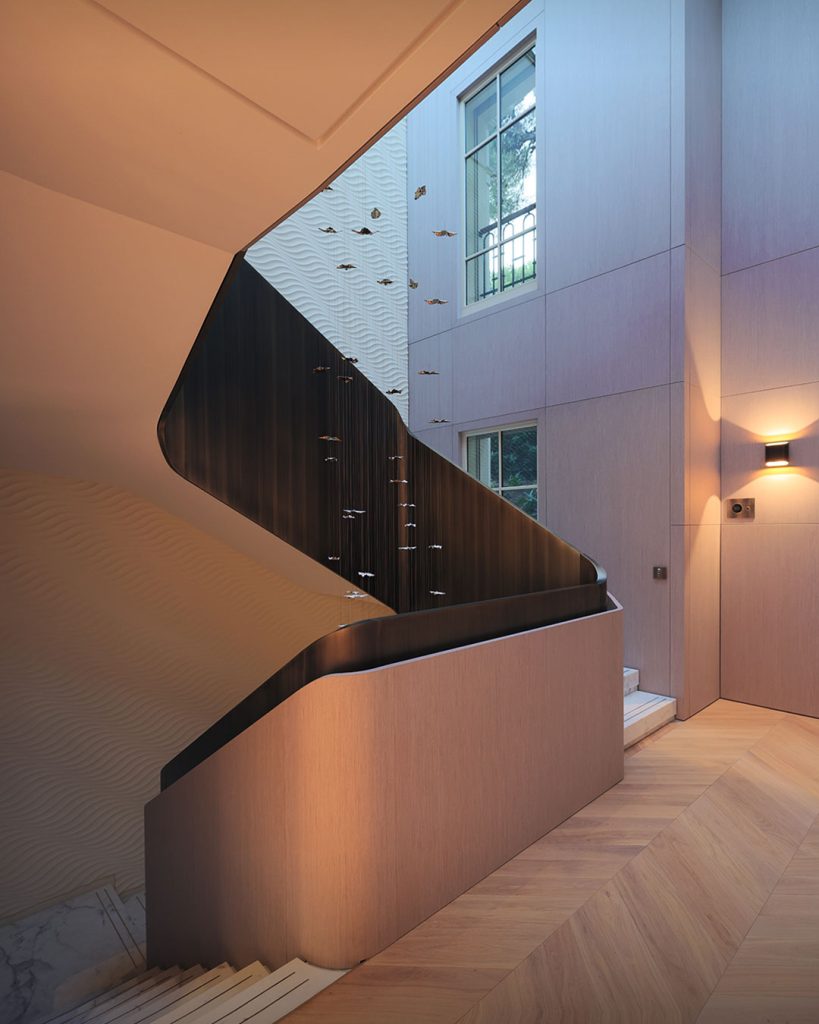
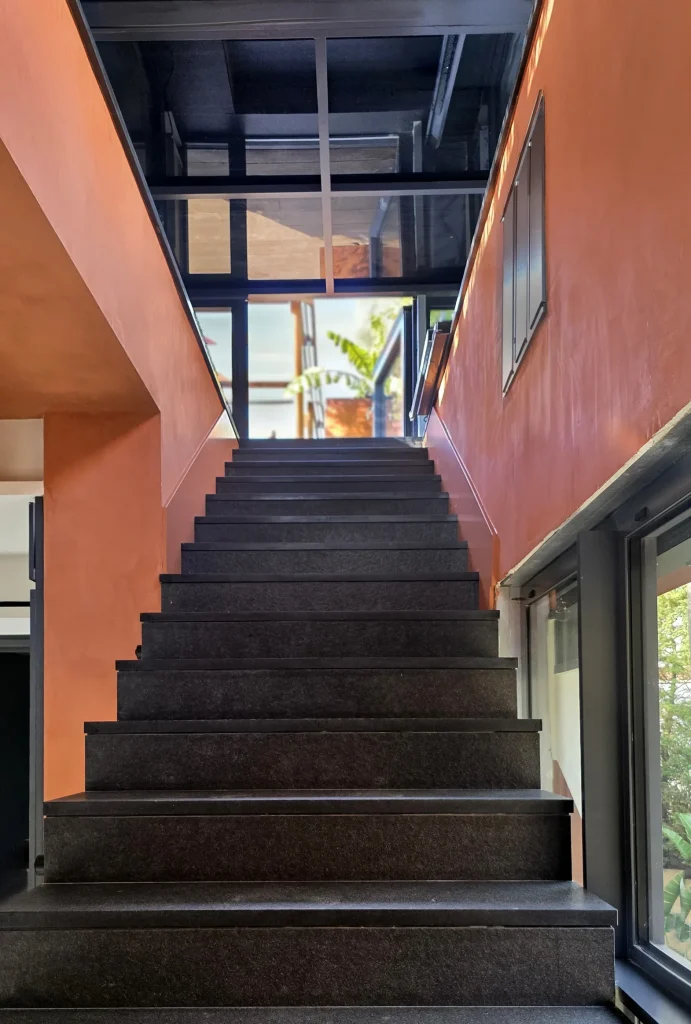
Access to the roof terrace is integrated through a motorized mirrored glass skylight that opens above the interior staircase. When closed, the reflective surface blends into the architecture, preserving visual continuity while discreetly connecting the living space to the rooftop pool.

Pergolas, planters, and seating areas structure the rooftop terrace and create visual separation from neighboring properties.

At the edge of the pool, a slender corten steel diver sculpture stands as a symbolic gesture. Its form echoes the material of the façade and expresses the daring idea of diving into a glass pool suspended above the Mediterranean.
A Dialogue with Nature and Memory
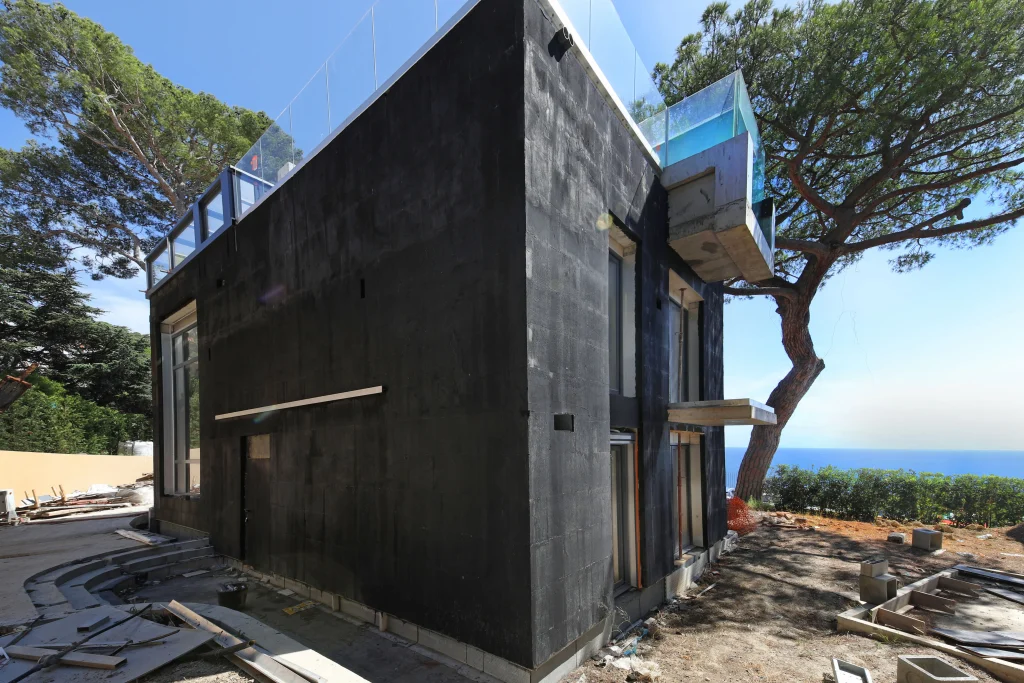
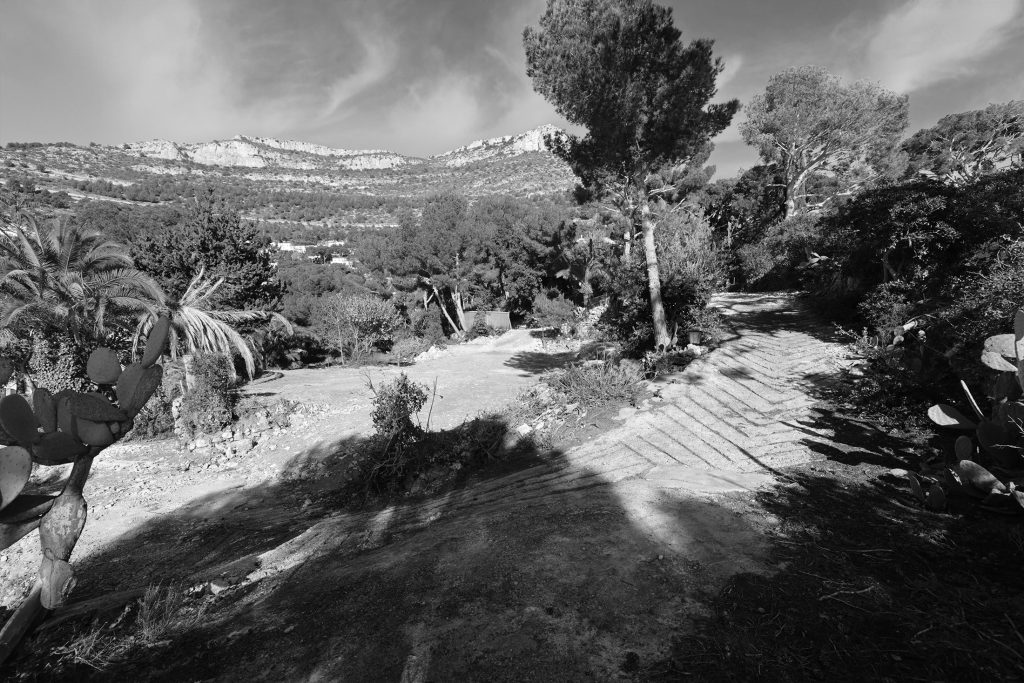
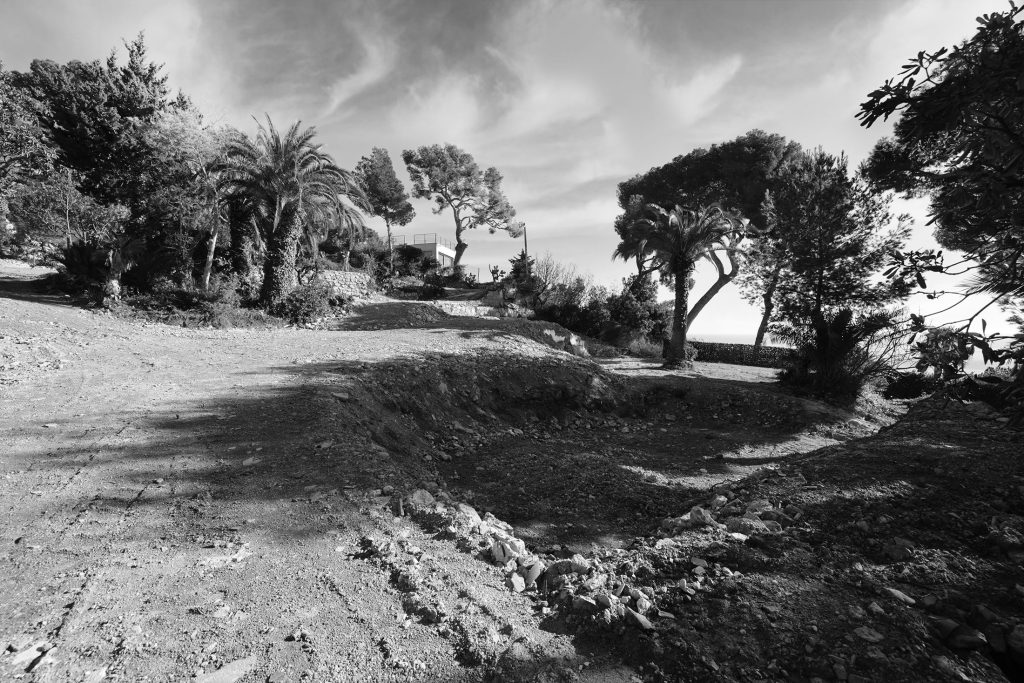
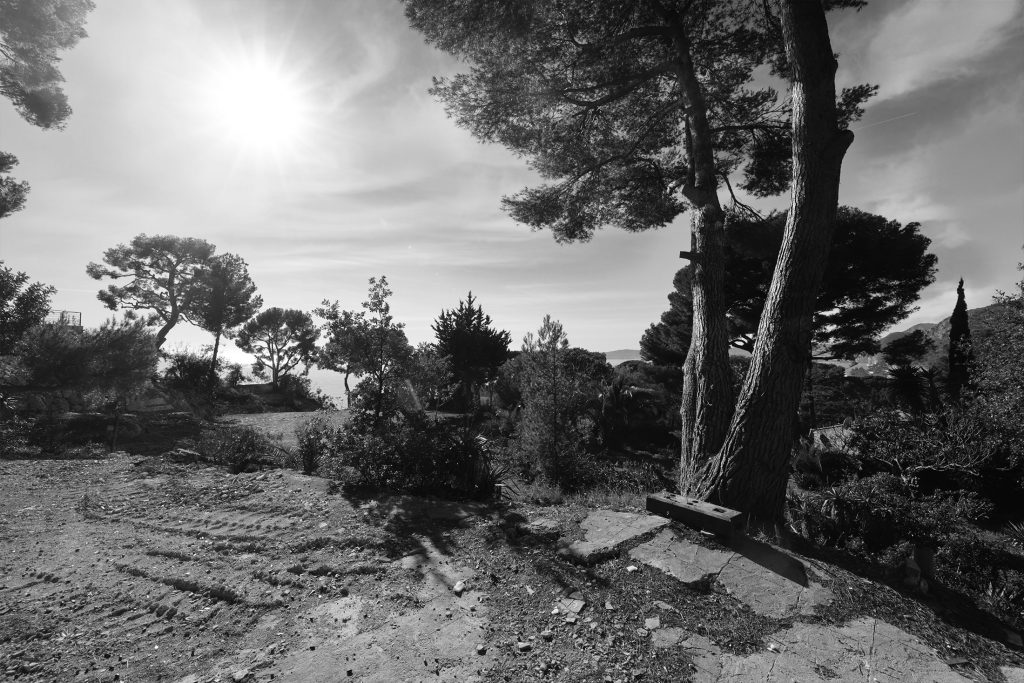
Two century-old pine trees and a small historic chapel were carefully preserved during the demolition and reconstruction of the site. These elements create a powerful dialogue between contemporary architecture and the memory of the landscape.
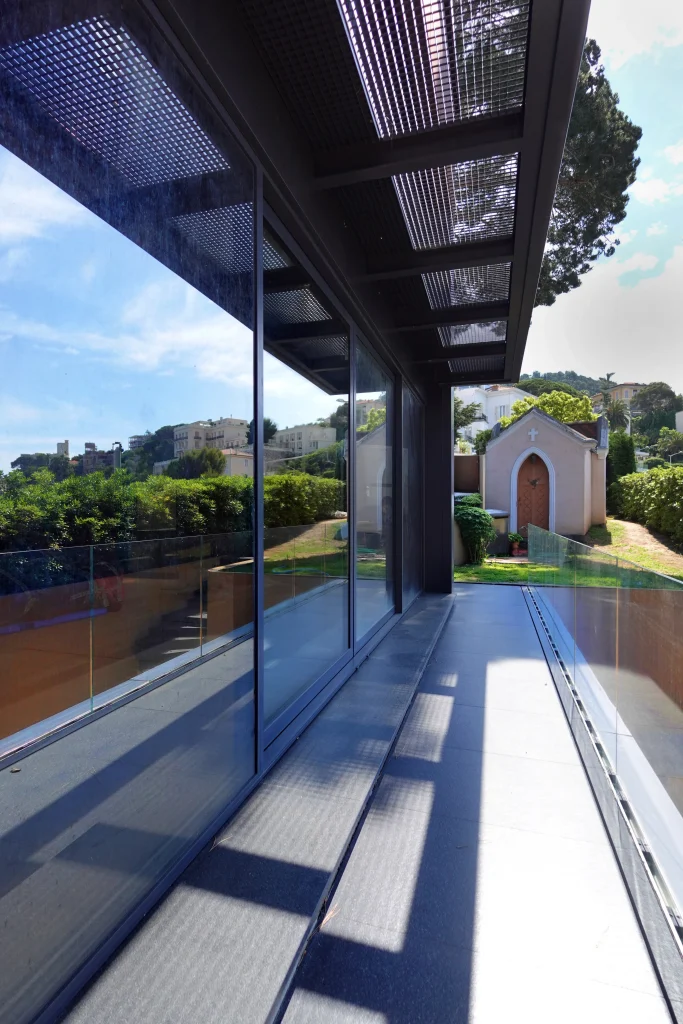
Terraced gardens weave around the house at multiple levels, softening the corten façade while filtering views toward the road and reinforcing the visual connection with the sea. The presence of these historic elements anchors the project within the site’s history while framing the contemporary architecture.

Through its evolving materials, adaptable spaces, and continuous dialogue with its surroundings, the project becomes a living architecture. The house changes with light, weather, and time, evolving alongside those who inhabit it.

Roquebrune-Cap-Martin

A Dialectic of Coastal Luxury and Familial Intimacy

A Villa Shaped by Its Waterfront Context

Set along the sunlit coastline, Vilarem is a carefully composed retreat that balances openness with privacy. This waterfront luxury villa extends across three levels, positioned to capture wide views of the Mediterranean while maintaining a strong connection to everyday family life. The architecture responds directly to its setting, allowing interior spaces to remain constantly linked to the sea, light, and surrounding landscape.

Balancing Openness and Control

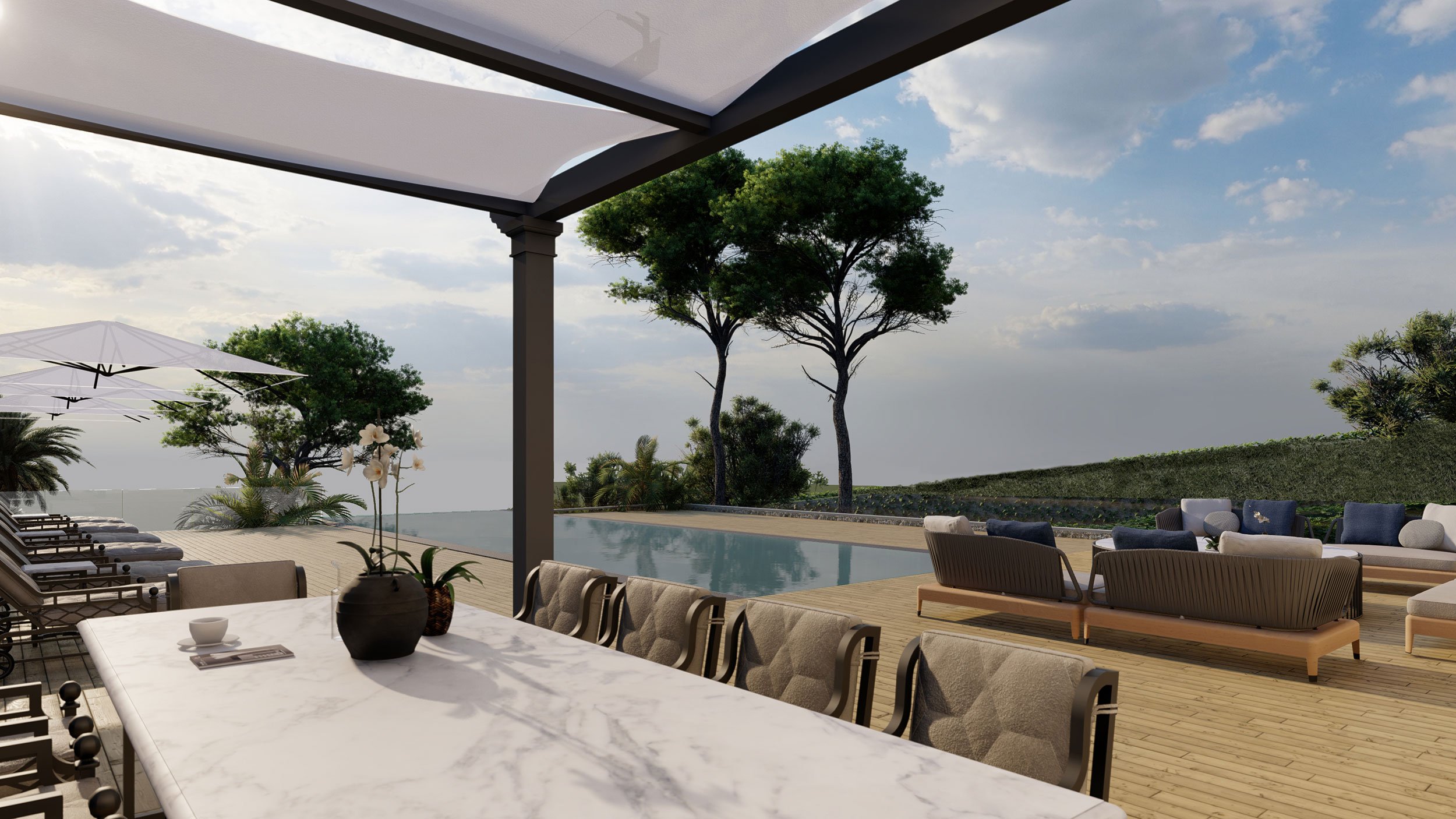
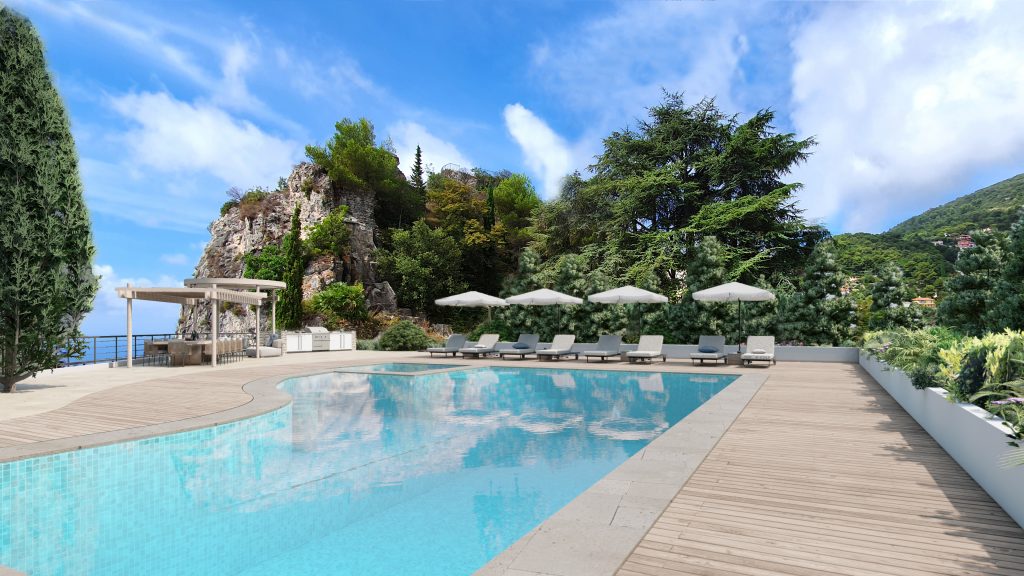
The design focuses on creating a continuous relationship between inside and outside. Large glazed openings, terraces, and fluid transitions allow movement to feel uninterrupted, while still maintaining a sense of structure and comfort. The swimming pool, with its glass edge appearing to merge into the sea, becomes a key element in this composition. It acts as both a visual extension of the horizon and a central gathering space, reinforcing the balance between openness and intimacy.

Texture, Material, and Atmosphere

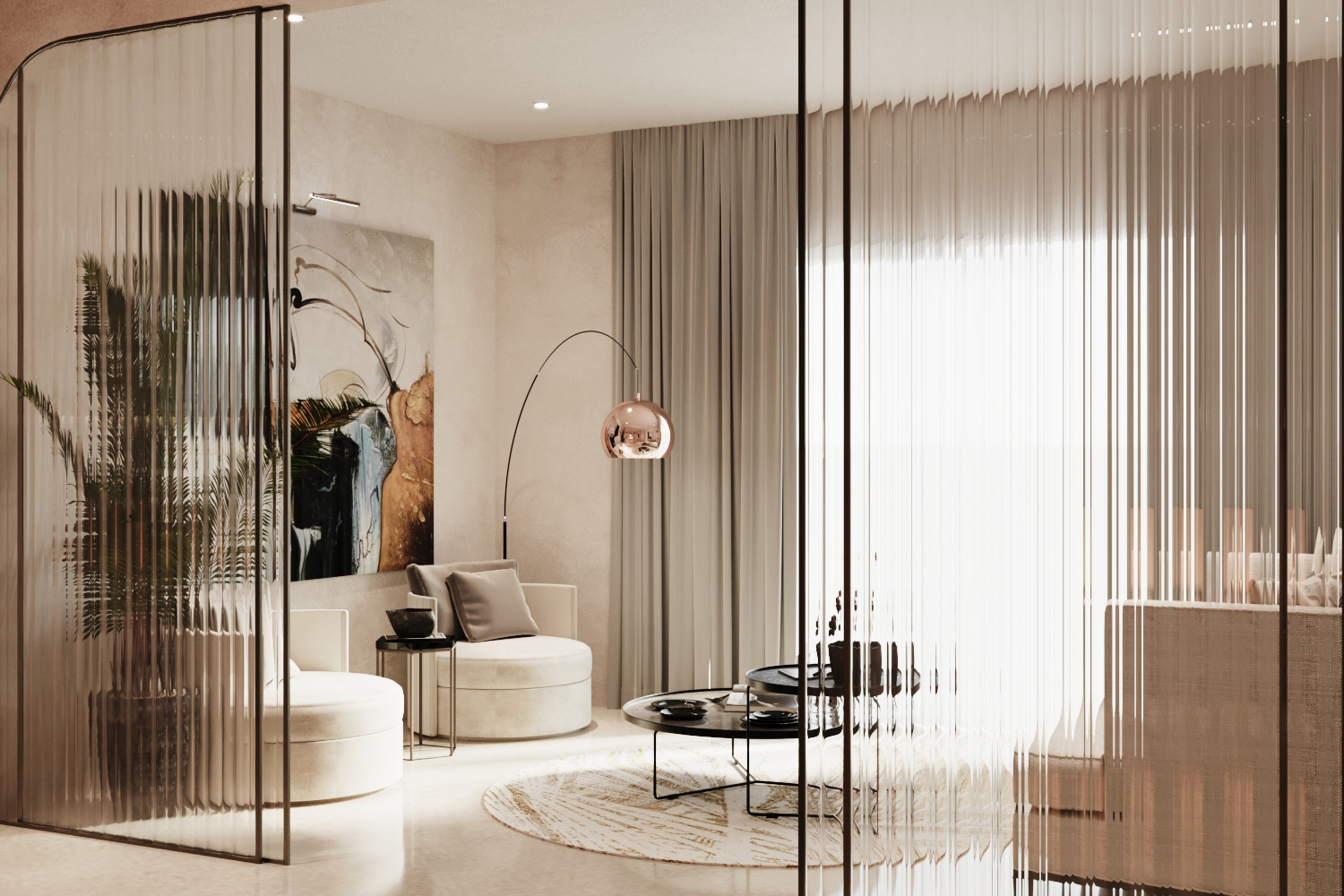
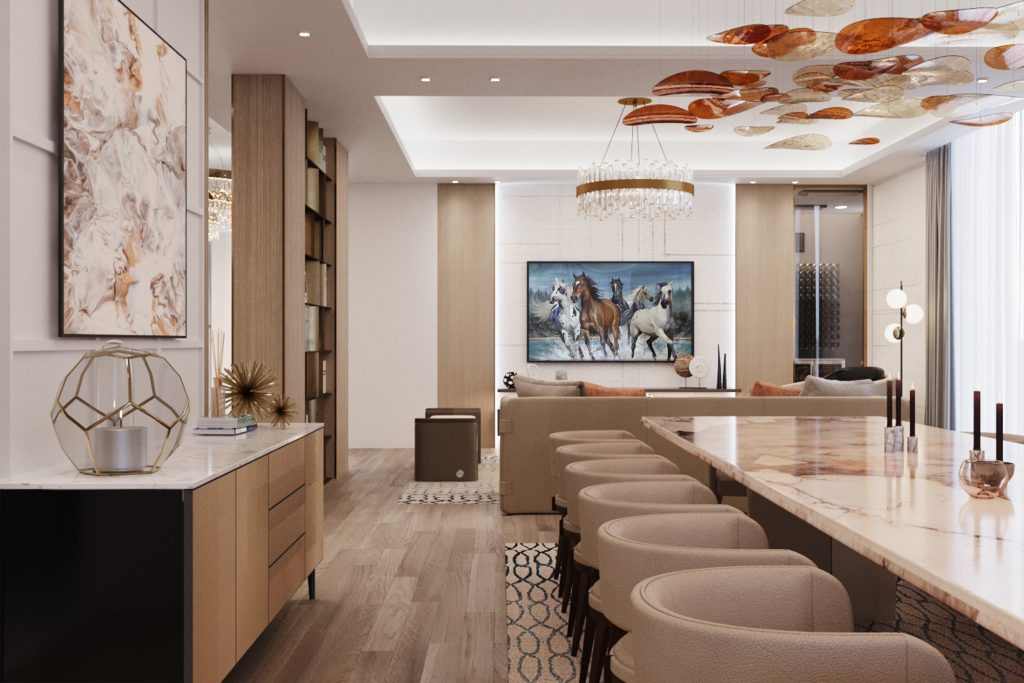
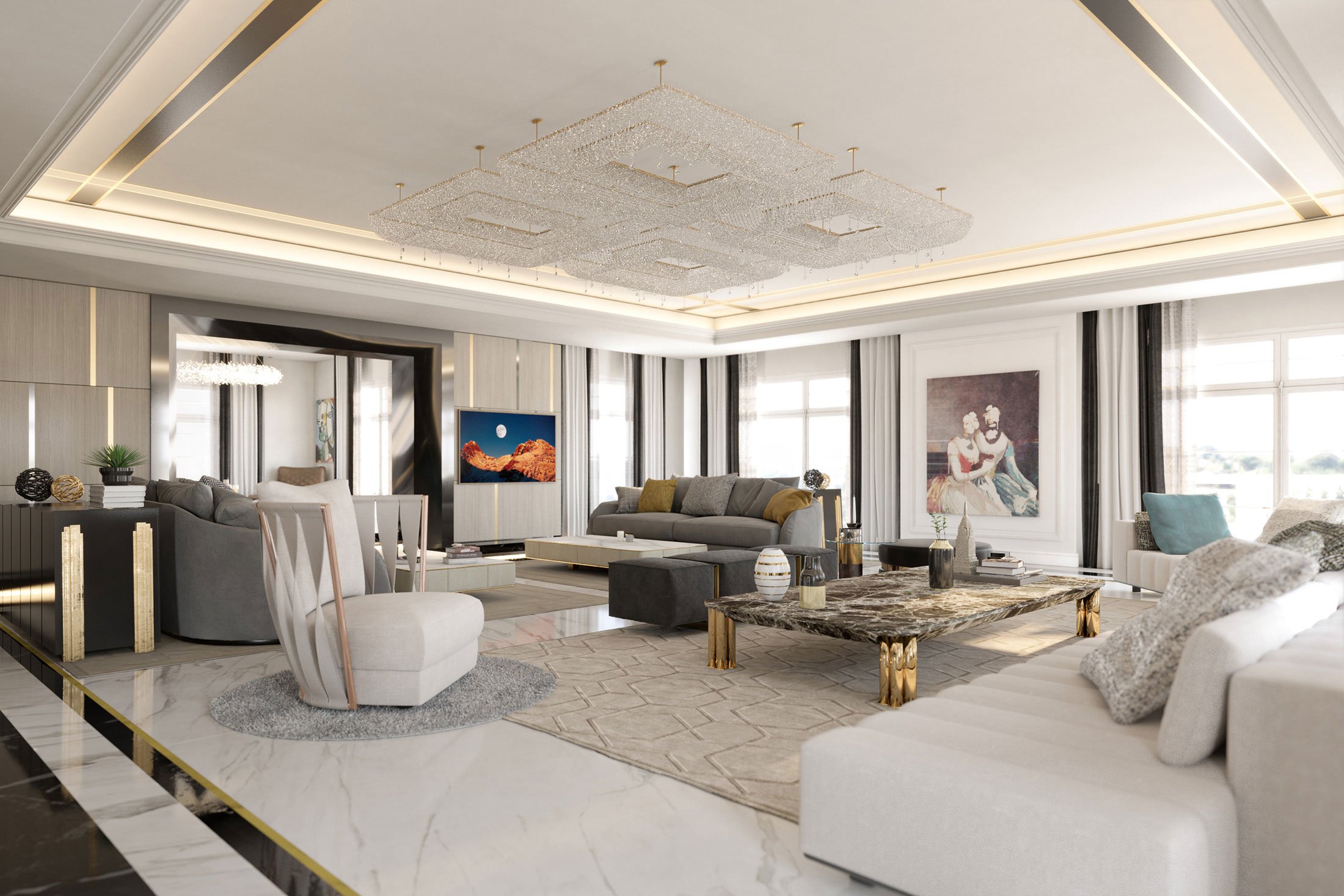
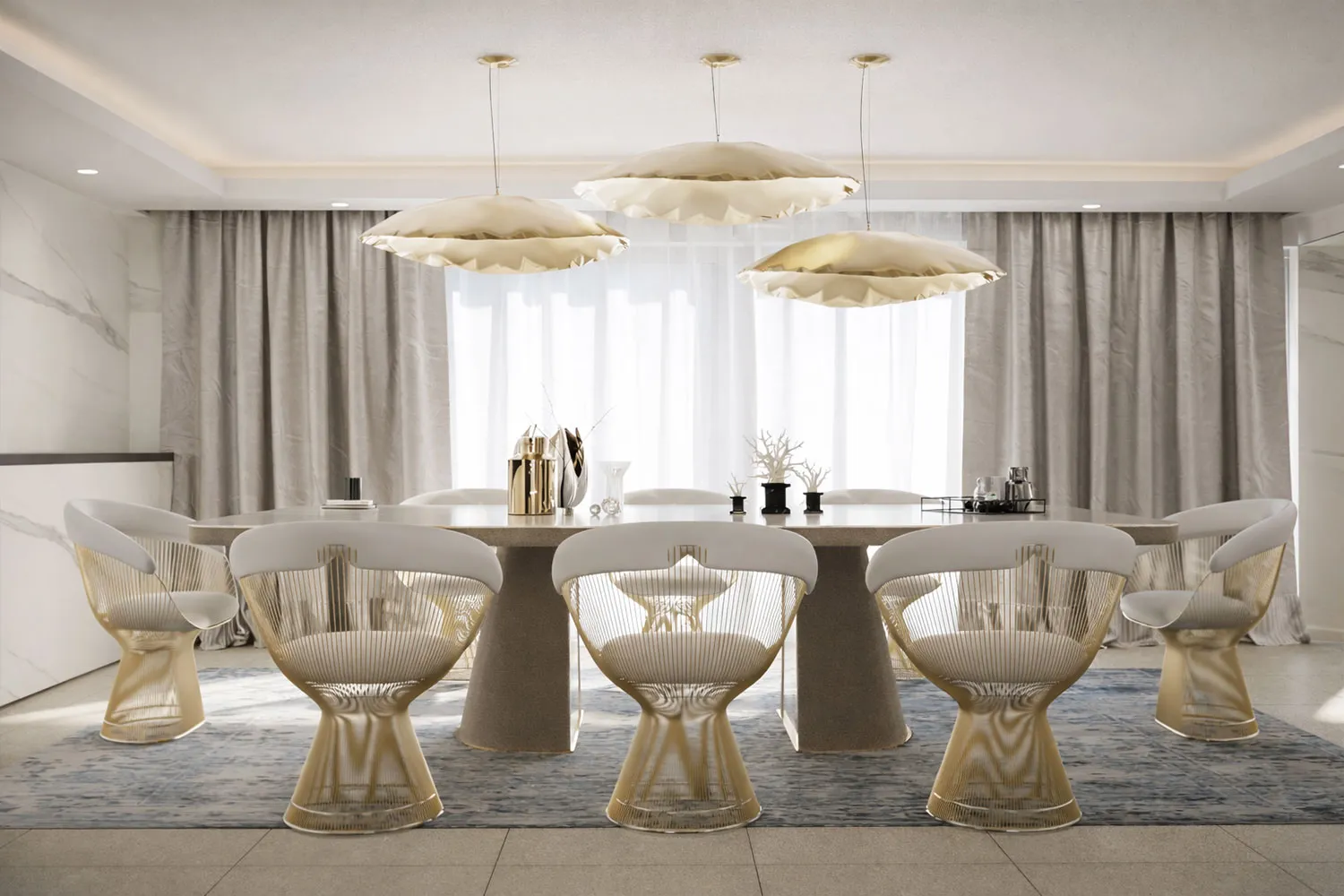
Inside, materials are selected to create warmth and depth. Tadelakt plaster walls interior bring a soft, tactile quality to the spaces, while artworks add moments of contrast and energy. A large dining table anchors the social areas, connecting seating zones and terraces in a natural flow. Curtains filter daylight gently, working alongside refined finishes such as Navona Lux flooring and marble surfaces. Together, these elements express a quiet sophistication where tactile minimalism in architecture defines the overall atmosphere.

Luxury Defined by Balance and Use

Every space within Vilarem is designed to balance scale with comfort. Floor-to-ceiling glazing frames the horizon, while circulation paths and terraces blur traditional boundaries between rooms and outdoor areas. The house supports both shared and private moments, allowing family life to unfold naturally within a refined setting. This approach reflects the essence of Côte d’Azur luxury architecture, where precision, proportion, and light come together to create spaces that feel both generous and livable.

Luxury villa landscape design Saint Jean Cap Ferrat with poolside seating and terrace by best architecture company Joe Aoun.

Saint Jean Cap Ferrat

On the Poetics of the Invisible

Architecture of Quiet Precision

Villa Libeccio is a high-end residential architecture defined by discretion and balance. The design is carefully composed so that the technical systems and everyday mechanisms of the house remain hidden from view. What remains visible is an atmosphere of calm continuity, where daily life unfolds smoothly and naturally. The villa functions almost like a quiet piece of music: its rhythm is present in every space, yet the precision behind it stays largely unseen.
Extending Geometry into the Garden

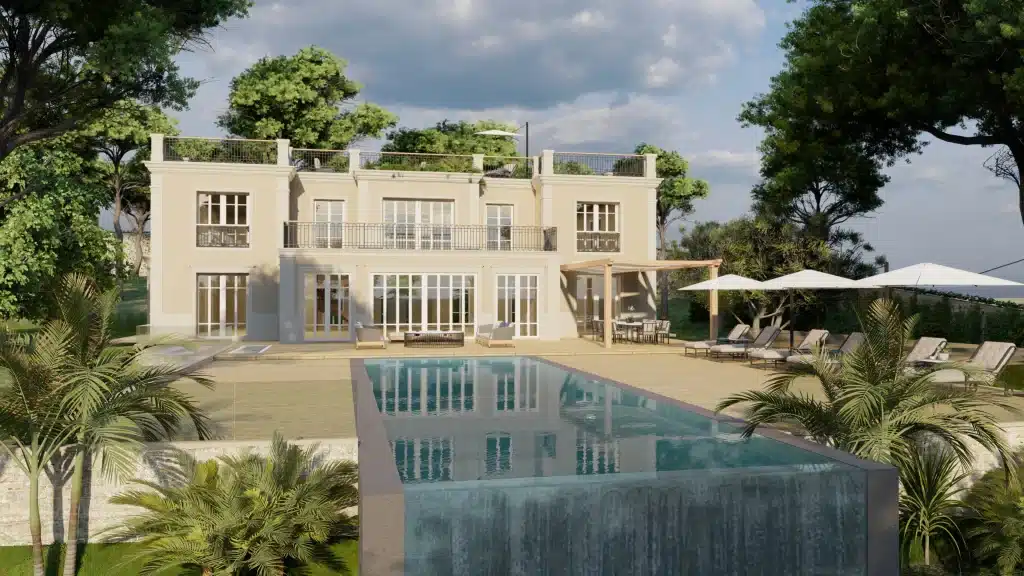
The villa sits on its coastal site with a calm and confident presence. Outside, the sculpted garden design continues the formal logic of the house, extending the geometry of this modern classical architecture into the landscape. A swimming pool forms the central outdoor element, reflecting the Mediterranean sky while capturing changing light and movement throughout the day. Together, the architecture and the garden create a balanced setting where the built environment and nature remain closely connected.

Material Balance and Artistic Presence

Inside the villa, a subtle dialogue unfolds between classical order and contemporary design. Materials such as marble, linen, and pale oak create a soft and luminous atmosphere. Carefully selected artworks introduce moments of contrast and intellectual depth within the calm interior palette. Furniture crafted with exceptional attention to detail occupies each space with quiet confidence, adding refinement without dominating the architecture. Every element from the movement of curtains to the feel of a door handle has been considered to maintain an atmosphere of restraint and balance.

Harmony Through Invisible Design

One of Libeccio’s greatest achievements is its ability to support the rhythms of family life without disturbing its calm composition. The house comfortably welcomes multiple generations, allowing grandparents, children, and guests to share the spaces naturally. Movement through the villa feels intuitive, as if guided by an invisible structure that organizes daily activity. In this way, the project reflects the principles of luxury coastal villa architecture, where elegance is expressed not through excess but through quiet harmony between people, space, and the surrounding landscape.

Cap D’ail

Excess and Equilibrium: The Dialectics of Onimus

Architecture Responding to a Challenging Context

Onimus explores how architecture can respond to scale and a complex site. This residential architecture project stands on a constrained plot along the Côte d’Azur. The building is intentionally larger than what current regulations would normally allow. It contains 518 m² of floor space across four levels on a site of only 613 m². This unusual proportion becomes the starting point for the design, guiding how space, light, and balance are considered throughout the project. Rather than treating the building’s size as a limitation, the design uses it as a way to explore hierarchy, perception, and spatial clarity.

Reframing the Experience of Space

The project functions as an architectural intervention that rethinks how the building is perceived and used. Instead of simply expanding the existing structure, the design adjusts openings, solid surfaces, and the flow of light to bring the scale back to a human level. Joe Aoun’s design approach, known as plein et lumière, focuses on the relationship between mass and light. Through this method, the boundaries between interior and exterior are softened, creating seamless indoor-outdoor living. Vegetation and mineral surfaces are carefully placed across each level so that natural and built elements remain in constant dialogue.

Spaces Connected Through Views and Movement

Key elements such as the roof terrace, wide glazed bays, swimming pool, and a rediscovered in-ground pond shape the way the spaces are experienced. These features are not only amenities but also tools that guide views, circulation, and visual connections throughout the property. They link the interior spaces with the surrounding landscape, allowing movement through the house to feel open and continuous while still maintaining clear spatial organization.

Navigating Regulations and Restoration

The project also required careful coordination with regulatory authorities. It was presented five times to the ABF, leading to several measured adjustments. These included the restoration of entrances, improved parking organization, and the redesign of staircases alongside precise façade restoration. Each technical decision was integrated into the overall concept so that regulatory requirements supported rather than weakened the architectural logic.

A Dialogue Between Monumental Scale and Human Experience

Onimus ultimately explores the relationship between excess and control. Its oversized character is not intended as spectacle but as a way to test the limits of site, light, and material expression. The project demonstrates how thoughtful design can transform a challenging structure into a coherent and livable environment. By balancing vegetation, mineral surfaces, interior spaces, and exterior views, the architecture becomes both monumental and intimate, closely connected to the topography it occupies.